
Fresh daily, helmed by a Japanese Muslim pastry chef, and a pistachio cake that earns the trip to Hartamas—Kotsu Kotsu is the latest from Oishii Innovations Group and their most distinct opening yet.
The Oishii Innovations Group seems determined to take over the entire Desa Sri Hartamas block that its first concepts helped bring to life. Walking from lunch at Ramen Minamo next door, I stepped into kotsu kotsu and felt like I had crossed a threshold. The street outside was loud and chaotic in that familiar Hartamas way, yet this patisserie felt completely insulated from it.
kotsu kotsu is the latest addition to the group’s ever-growing roster, a Japanese cake shop built on the culture of omiyage. In Japan, travellers bring home edible souvenirs for loved ones whether returning from work or arriving from faraway prefectures. Fresh cream cakes are central to that culture, yet ironically they cannot travel well. They wilt, collapse, and lose their delicacy, especially if they were to make the long journey from Tokyo to Kuala Lumpur. So if these cakes could not be brought here, the solution was simple. Bring the chefs, bring the ingredients, and bake everything fresh, right here. Every cake at kotsu kotsu is baked twice a day, ensuring each slice is enjoyed at its peak.
“Step by Step”
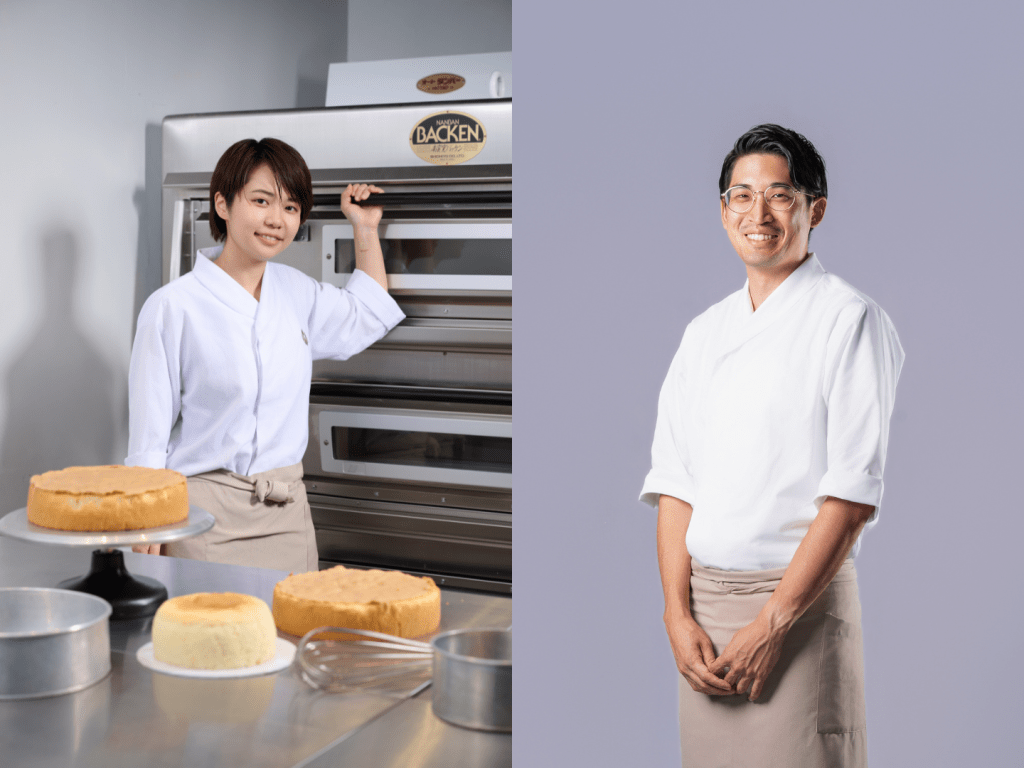
The pastry programme at kotsu kotsu is helmed by two Japanese chefs who shape the soul of the concept. Chef Sasaki, a Japanese Muslim chef, has long been passionate about creating cakes that everyone can enjoy. Chef Fukuda is a roll-cake artisan whose mastery shows in the quiet precision of every slice. Together they spent nearly a year perfecting recipes from scratch, using only halal-certified ingredients available in Malaysia. Rather than adapting existing Japanese formulas, they rebuilt each recipe step by step, guided by their experience and by the name of the brand itself. kotsu kotsu translates to “step by step”, a reflection of the pride Japanese craftsmen take in processes without shortcuts. From the way air is incorporated into batters to the delicacy of the finishing details, every element is approached with that same steady, intentional discipline.
This philosophy extends into the baking routine. Every cake is baked fresh twice a day, so that each slice is enjoyed at its peak. While lingering at the counter, I watched the kitchen team work in quiet unison, layering creams, smoothing sponges, and glazing surfaces with the kind of rhythmic precision that feels almost meditative. Much of this consistency is supported by the centrepiece of the kitchen, a Japan-made Backen oven that reportedly costs over RM360,000. Its technology traps the ideal balance of steam and pressure, allowing cakes to rise gently while retaining moisture and softness. Knowing this heightened my appreciation for the calm atmosphere; the entire space felt designed to protect the fragility of a perfect sponge.
Inside kotsu kotsu
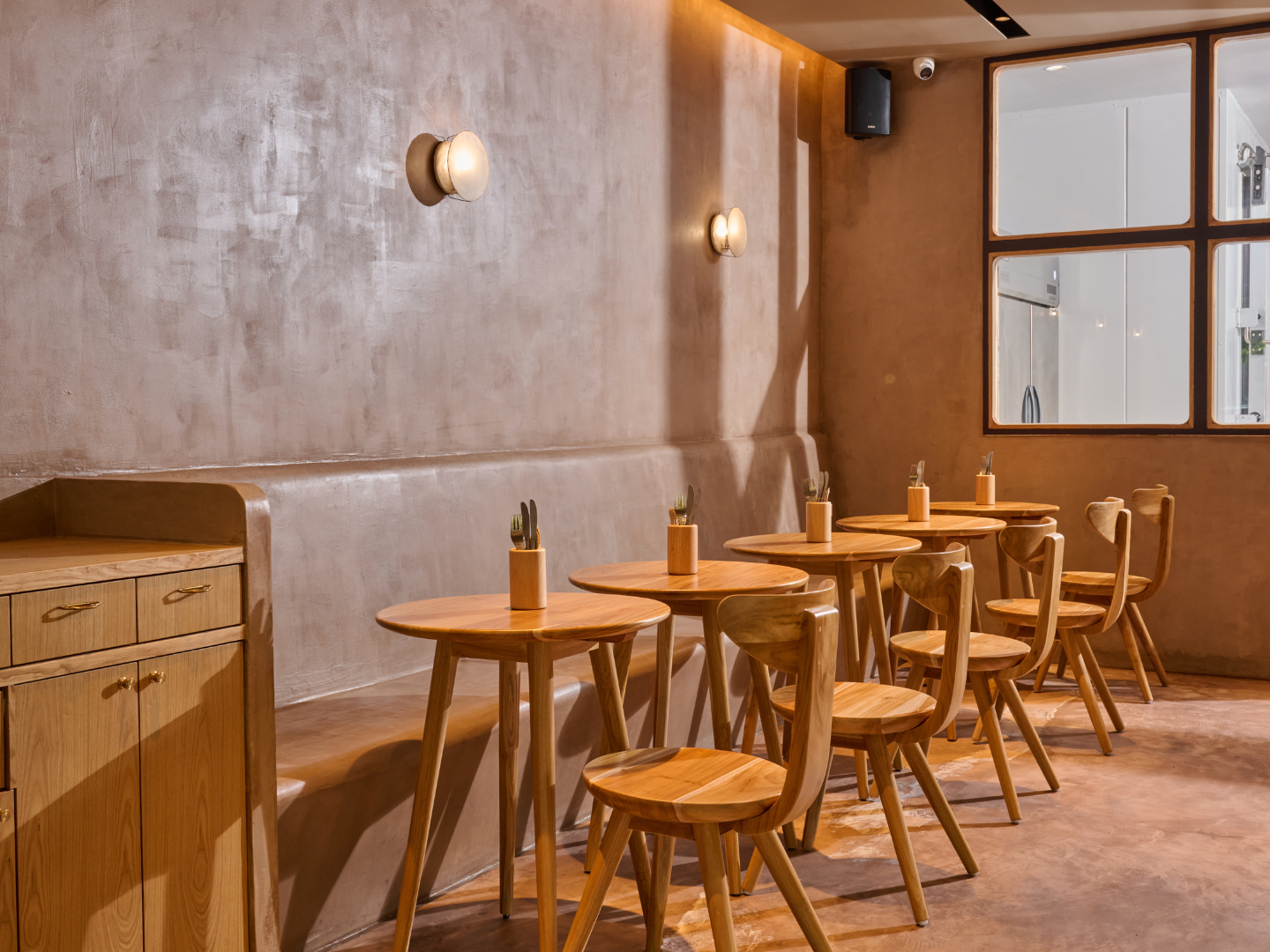
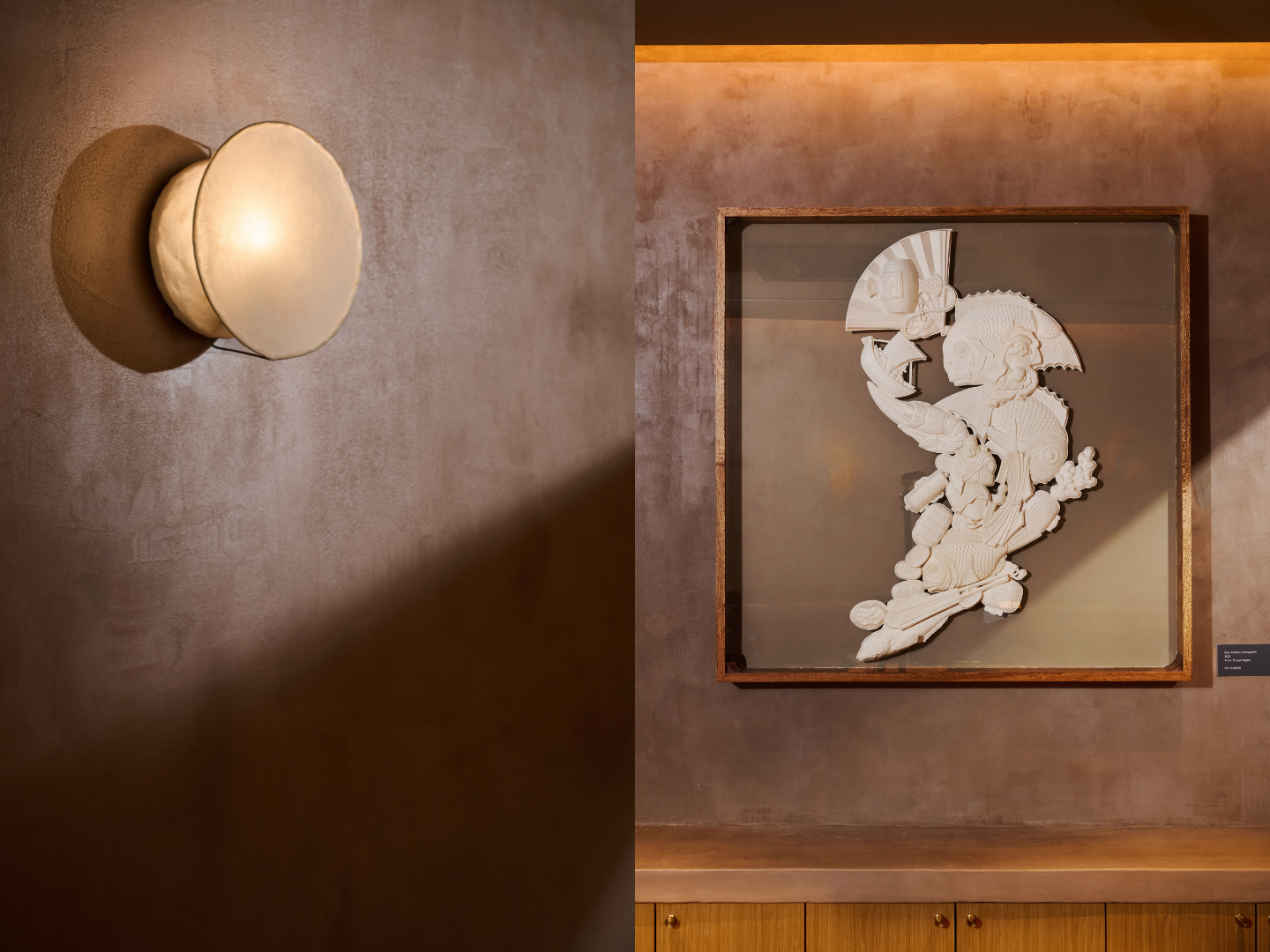
The interior leans into a contemporary Japanese language without being fully Japandi. Earthen textures and rustic concrete soften the geometry of the room, while the warm glow of washi paper bracket lights crafted by Yasuaki Yoshimoto adds a gentle diffusion that makes every surface feel touchable. If not for the impressive cake display in the centre, kotsu kotsu could easily pass as a spa sanctuary. The pastry chefs maintain a quiet presence throughout, working with a kind of deliberate inconspicuousness that contrasts with the theatrics often seen in teppanyaki counters or omakase rooms.

Despite its floor-to-ceiling windows looking straight onto the busy row, the space felt serene. The design is minimal but purposeful, guiding your eyes immediately to the four-metre glass display where cakes rest like exhibits. The staff move with an almost choreographed stillness as they measure slices, pack to-go boxes, and glide between the counter and kitchen.
From Roll Cakes to Entremets

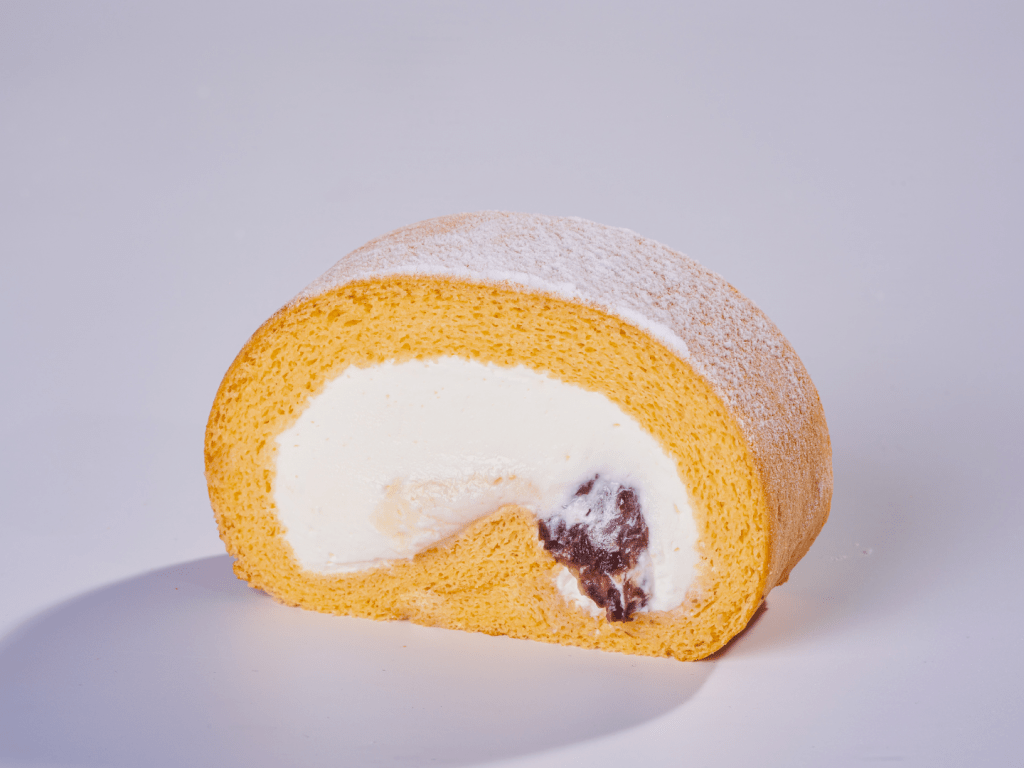

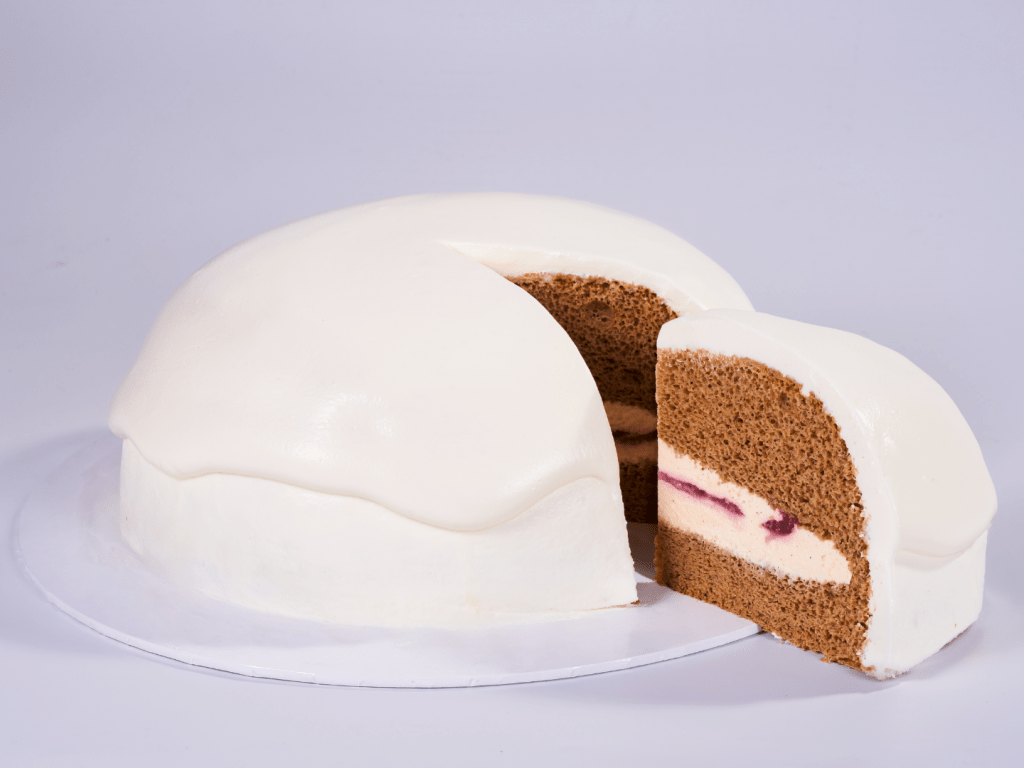
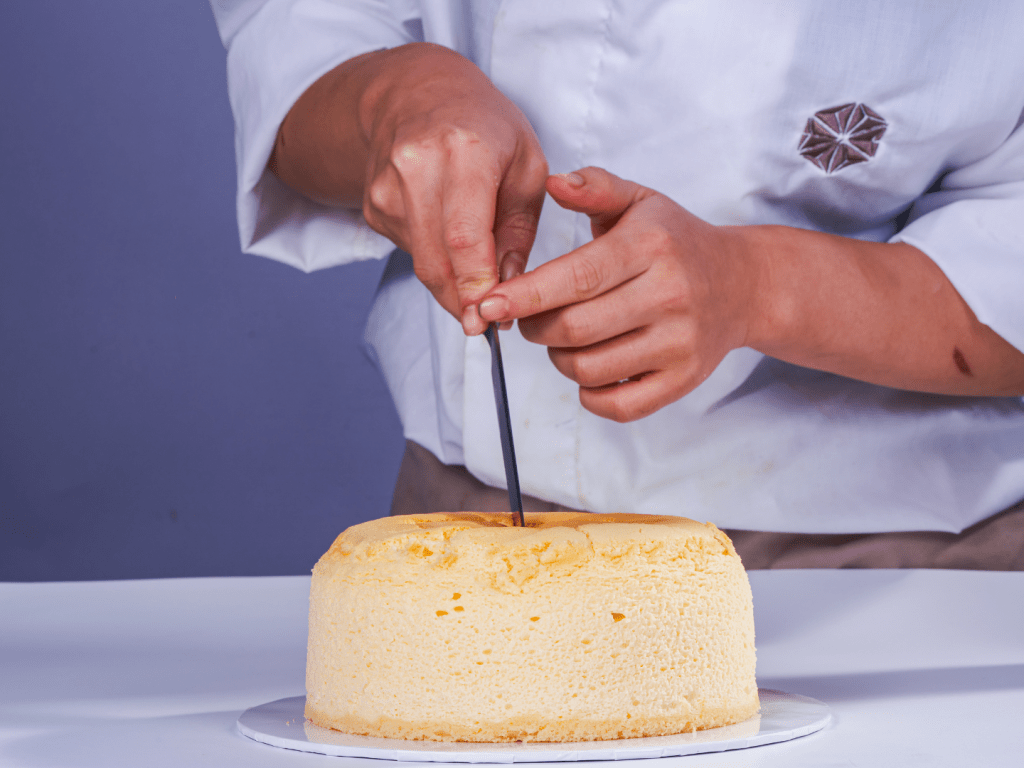
The cakes themselves follow the same philosophy of precision. Their roll cakes are the marquee offering, although with such a concise menu, you could argue that everything here is a signature. I will admit that I have never gravitated toward Swiss roll-style cakes, possibly because I associate them with childhood runs to King’s Bakery, but this new wave of Japanese roll cakes has been shaping the luxury cake scene for some time.
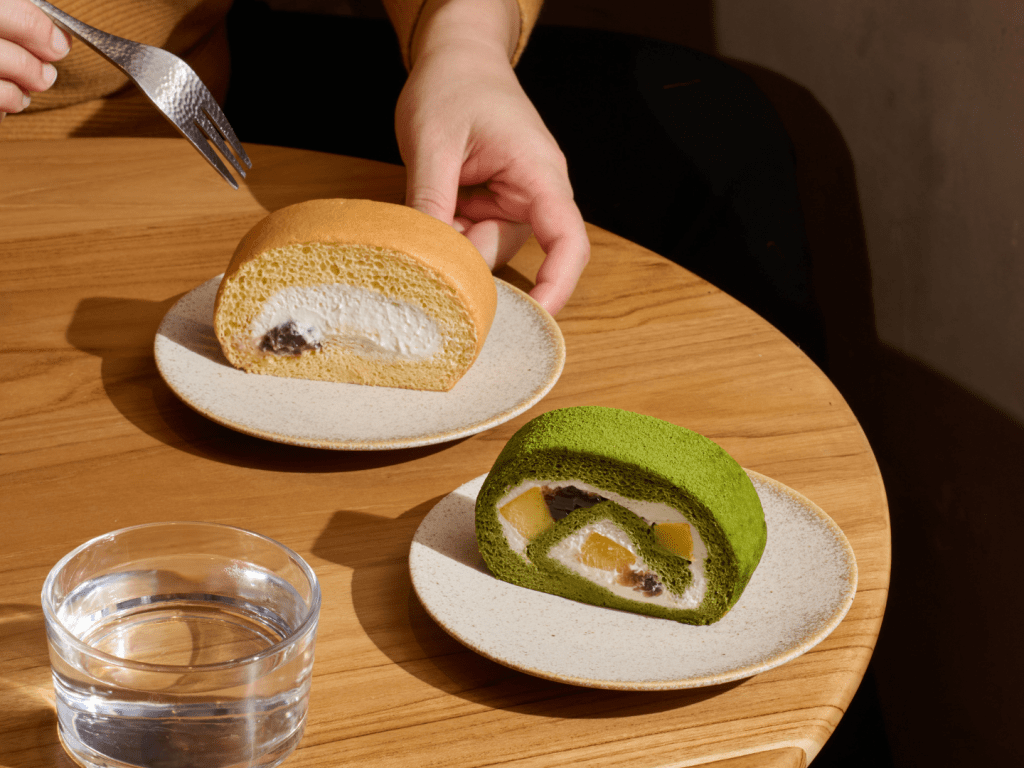
The Classic roll cake (RM14.52 per slice) combines a castella-like sponge enriched with egg yolk and a filling of cream, custard, and red bean paste. Cutting into it offered that familiar castella resistance before giving way to a soft ooze of cream. I appreciated the pairing of vanilla custard and red bean, which felt more balanced than the now overplayed matcha-red bean combination.
My favourite of the five cakes I tried was the Pistachio (RM28.52 per slice), which leans closer to an entremet than a traditional bake. It layers almond sponge, raspberry jelly, and two textures of pistachio paste that the team grinds in-house. The flavours stay true to real pistachio rather than the sweetened essence that dominates many desserts now. Texturally it was exceptional, moving from soft sponge to luscious cream to the interplay of coarse and fine pistachio pieces that made every bite feel layered.
The Chiffon and Cheese (both RM22.52 per slice) were remarkably light. The chiffon is infused with tea and filled with vanilla bavarois and raspberries, a combination that lifts the whole slice into something almost cloud-like. The Cheese cake is a softer, more custardy take on the viral Japanese cheesecake, enlivened by a blend of two cheeses that gives it a sweet-savoury balance. If you love airy, delicate Asian-style cakes, these two stand out.
I ended with an off-menu flavour, and if you had to guess based on current pastry trends, you would get it right. Their Tiramisu is a lighter interpretation of the classic, almost a whisper of the Italian original rather than a deep, zabaglione-heavy rendition. While I personally prefer the richer style, a coffee-forward dessert is always welcome after a flight through four cakes.
Taking The Experience Home
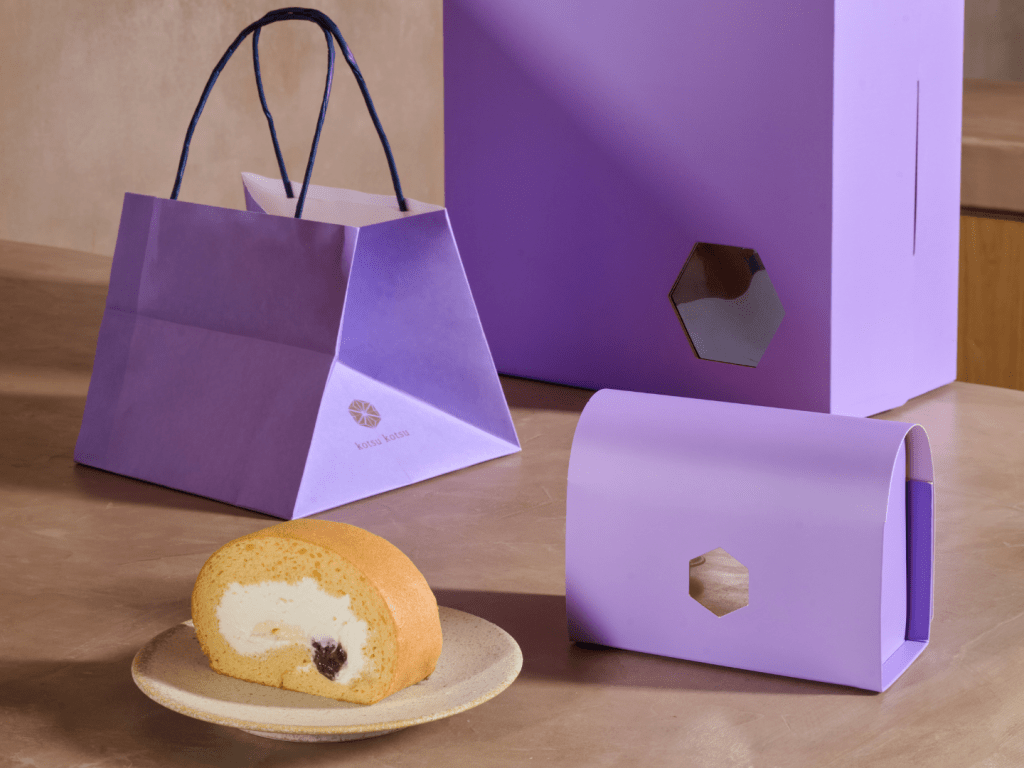
Before leaving, I learned that whole cakes are also available for take-home celebrations or as gifts in the true spirit of omiyage. Same-day pickups have an early cut-off at 6AM due to the twice-daily baking schedule, although pre-orders are always welcomed and ensure you receive your cake at its freshest. Keeping with that spirit, I picked up a slice of the 10-layer Fruit Shortcake for my mother. It felt fitting to bring something home from a place built around the idea of giving. The shortcake survived the short journey surprisingly well, thanks to the thoughtful cooler pack within the cake box. The soft layers of sponge and cream holding together just long enough to be enjoyed at our dining table later that evening.
kotsu kotsu feels like a small sanctuary designed to make you think about giving. It is a patisserie built not just on flavour but on intention, and the experience of eating here feels almost like being guided through a series of quiet scenes. Slice by slice, it reveals the Japanese art of thoughtful gifting, translated into cakes that are meant to be enjoyed at their freshest and shared with the people we return home to.
Curious how an Nacre Experience article is formed?
From The Editor: What Makes An Experience Worth Sharing
kotsu kotsu
34 Jalan 24/70a,
Desa Sri Hartamas,
50480 Kuala Lumpur (Maps)
Open daily, 12PM–11PM
@kotsukotsukl | Website & Menu
From the table to the world beyond, Nacre brings you dining, travel, and lifestyle experiences worth savouring. Explore more with us on Instagram (@nacre.asia).

 Nacre.
Leave a comment