

Before hospitality became an industry, hosting a guest be it a stranger or a friend is a way of life. It wasn’t about having guest reviews as KPIs or getting tagged on Instagram for aesthetic breakfast trays. Hospitality was about providing a sense of belonging and safety, community, and the moral code of being human.
Let’s be honest, we’ve professionalised something that was once instinctual. Today, “hospitality” lives behind reservation counters and upsell scripts; it is very much performative now.
But if we dig deeper into our collective history, we’ll find a very different picture: one where hosting a stranger wasn’t a job. It was a duty. A virtue. A test of character.
So… where did it all begin?
Survival, Trust, and the Instinct to Host

Jean-François-Pierre Peyron
Hospitality started in a time when interacting with strangers meant risk. A traveller knocking at your door could be a friend—or a threat.
But across most cultures, offering shelter, food, and protection was the response. Why? Because rejecting someone in need could mean burning bridges, or rejecting a blessing from God.
Offering comfort built alliances, a sense of community. And more practically, if you showed care, chances were someone would do the same for you when you needed it.
In essence, kindness begets kindness. To host was to live with hope. To be hospitable was to be civilised.
Arabic Hospitality: Sacred Generosity in the Desert
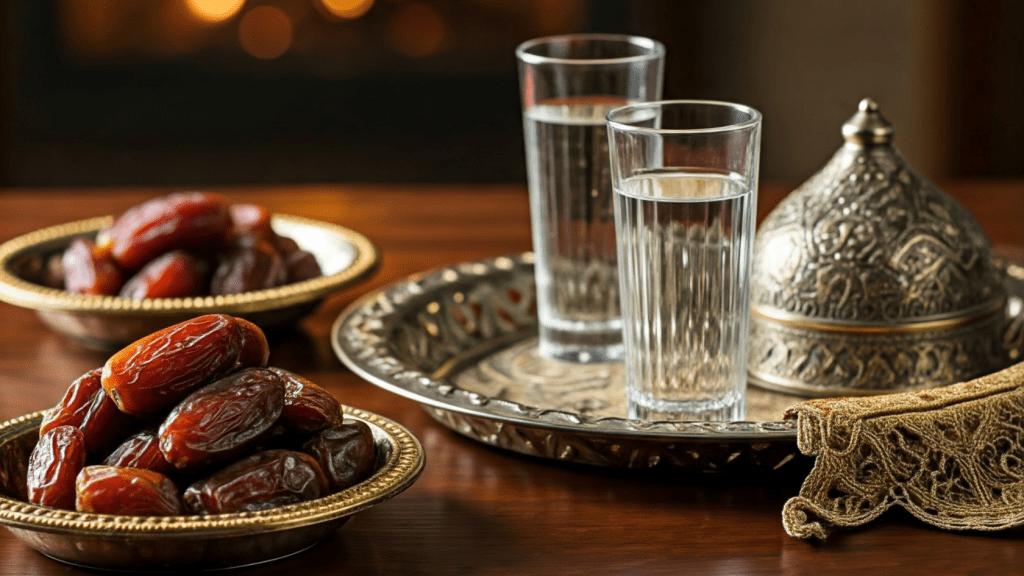
Few cultures embody this instinct as fiercely as the Arabs. In Islamic or Bedouin society, hospitality (dhiyafa) is sacred. It’s not just social etiquette, but it’s a spiritual or moral obligation.
A guest is seen as sent by God, and for at least three days, the host expects nothing in return. Beverages such as coffee or tea is poured endlessly. Dates are shared generously. The best parts of a meal are offered first to the guest, even if food is scarce. In a harsh desert environment, this wasn’t a luxury. It was survival culture made noble.
Even today, in many Middle Eastern homes, the guest receives the best chair, the warmest welcome, and a sense of ease that no hotel concierge can script.
Asian Hospitality: Quiet Care, Deeply Rooted
In much of Asia, hospitality isn’t loud. It’s not dramatic. But it’s everywhere if you know how to read it.
Closer to home in Southeast Asia, hospitality is tied to the kampung spirit, especially in Malaysia, Singapore and Indonesia. It’s communal. Your neighbour’s child is your child. A guest is fed before you feed yourself. You’ll find banana leaves laid out in a hurry, sambal pounded fresh in a mortar, and someone telling you “Eat more” before you’ve even sat down.
In Thailand, there’s namjai, literally “water of the heart.” It means generosity offered from within, without agenda.
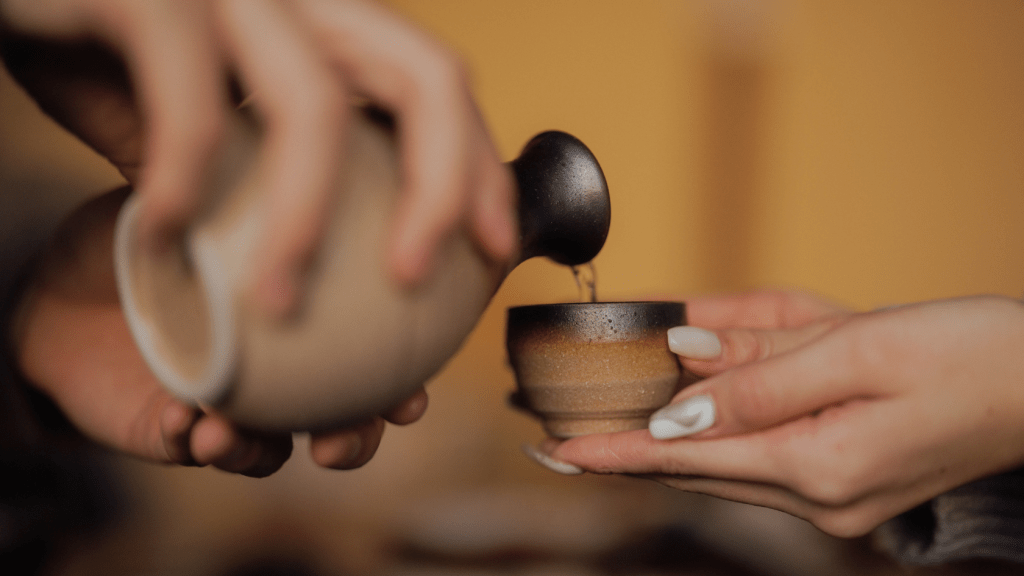
Japanese omotenashi is another clear example. It’s the selfless art of anticipating a guest’s needs without asking. No tip expected. No exaggerated smile. Just precision, respect, and a deep-seated belief that care must be invisible to be sincere.
None of this is performative. It’s not done for tips or compliments. It’s how the region lives and establish new humanly connection.
European Hospitality: Tradition, Pride, and the Art of Receiving
In Europe, hospitality often takes a different shape, often steeped in tradition and ritual.
The Greeks had xenia, a code of guest-friendship where there is a reciprocal relationship between the two parties, characterized by generosity, respect and protection. It is so important that violating it was seen as a crime against the gods. Guests were honoured, not interrogated.

The French gave the world the art de recevoir, meaning the art of hospitality, a cultivated way of hosting that’s equal parts grace and structure. Attention to detail is the key. Courses served in the right order and pace, and wines paired properly. Not just feeding you, but curating your experience.
Hospitality isn’t a script. It’s a relationship. It’s the ability to truly see someone.
In Italy, hospitality happens in every household; there’s nothing more simple and powerful than being fed by a nonna. The unspoken warmth of someone insisting you have more pasta because that’s how love is shown. Even the British, sometimes criticised for being distant, practise hospitality through structure: tea offered during a crisis isn’t a cliché. It’s a reflex of comfort and control.
So, What Happened to Us?
Here’s where it gets uncomfortable.
Modern hospitality as we know it has lost its soul. What was once an instinctive, human expression of care has been dissected into KPIs, SOPs, and brand standards.
We’ve turned something deeply emotional into a predictable formula. Guest experiences have become transactions. Hosts become service providers. We’ve outsourced warmth to systems and checklists. In the name of consistency, we’ve stripped the soul from the experience.

We talk endlessly about “hospitality tech,” “guest personalisation algorithms,” and AI-generated feedback loops. But rarely do we talk about the hotel personnel’s emotional intelligence, or their ability to read a guest’s body language. We don’t train people to care. We train them to perform. That’s not human hospitality. That’s just customer service, rebranded.
And in trying to scale hospitality, we’ve standardised it into something cold. Something that follows script, not intuition. Something safe, but forgettable. Something functional, but lacking soul.
In today’s world, systems and technology are everywhere. Automated check-ins, loyalty apps, chatbots, call centre scripts. All designed to make the experience seamless.
But hospitality was never meant to be seamless. It was meant to be felt. It was meant to have variation. Presence.

Human hospitality—real hospitality—is inconsistent by nature, and by that I mean adaptable; which is exactly why it is so powerful.
It flows from people who care, who notice, who adapt. It comes in different accents, different tempos, different intentions. Just like every household has its own way of making guests feel welcome, every host expresses care differently.
According to YS, a former Paiza Butler in Marina Bay Sands Singapore, real hospitality is the passion in serving others is what drives and touches people’s hearts, something AI can never do.
Real hospitality is the passion in serving others, and is what touches people’s hearts.
—YS, former Paiza Butler in Marina Bay Sands Singapore
The problem is, the industry has become so tense about consistency that we’ve turned hospitality into a performance. Staff are told to memorise scripts, follow emotional cues with robotic precision, and never deviate—because deviation risks disappointing the guest or, worse, damaging the brand.
Vivi-Yen, a senior lecturer in Tourism & Hospitality at a private university in Kuala Lumpur, shared that while hospitality today has become more simplified and streamlined due to AI. But at the same time, it has also become more personalised albeit in a different way: While the human touch may be missing, guests now enjoy more direct and tailored experiences through technology. It’s a double-edged sword, as it really depends on what kind of hospitality experience the guest is looking for, and how the establishment is able to execute it.

Here comes the uncomfortable truth: the pursuit of flawless brand consistency often kills the very magic that makes the spirit of human-hospitality memorable in the first place.
Now, can we blame the industry for the lack of human touch in hospitality?
From a capitalist perspective? Honestly, no.
Standardisation is scalable. It’s cost-effective. It’s trainable. When you’re running a global hotel chain with thousands of properties, you need systems in place to make sure guests receive the same basic experience whether they’re in Bangkok or Paris. Brands need predictability. Investors demand it. Guests, ironically, expect it, even while saying they want authenticity.
It’s a paradox to say we want hospitality that feels personal, but punish businesses when they get it “wrong.” Naturally, they default to safety. They create scripts. Uniforms. Lighting templates. Scent diffusers. Mood music. All so that nothing ever feels too different, too real, or too risky.
But here’s the cost: we start designing for control, not for care.
And the longer we do this, the more disconnected we become from what hospitality is supposed to be—a human instinct. A cultural expression. A moment of real presence between one person and another.
We’ve become so good at managing expectations, we’ve forgotten how to create moments.
The Common Thread We Forgot

Across cultures, the best hospitality is built on the same quiet principles. You will not find them in SOPs, but guests feel them deeply when they’re there.
- Anticipation
True hospitality begins before anything is asked.
You notice. You prepare. You act—because you want someone’s day to be better.
In a world where self-entitlement is loud, anticipation feels like grace. And those who offer it? Rare, but unforgettable. - Empathy
You sense what words don’t say.
Tired eyes. An uneasy smile. The pause before a reply.
Empathy is offering warmth before it’s requested. It’s the human instinct to soften someone else’s burden—even just for a moment. - Courtesy
It’s not about grand gestures.
It’s “please,” “may I,” “thank you,” “after you.” It’s eye contact and respect.
Courtesy is often forgotten today—but always felt when it’s present. Especially in a world that’s moving too fast to care. - Generosity
Not everything needs a price tag.
Generosity in hospitality means doing something just because you can. No angle. No expectation.
You give because it’s part of who you are, not part of a strategy. - Presence
To host well is to be fully there.
Not on your phone. Not in your checklist. But right there with the person in front of you.
In fact, the real art of hospitality is being present, especially when your guest feels absent from themselves.
None of this can be taught from a manual because true hospitality isn’t a skill. It’s a value.
Malaysian hospitality was never about five-star polish. It was about five-second moments of real, unforced care.
Reclaiming the Instinct
Maybe the question isn’t how we can be better hosts. Maybe it’s how we can be more human again.

As someone who grew up in Southeast Asia, more specifically, Malaysia—I was raised on the kind of hospitality that was lived, not marketed.
Before we had fancy slogans, we already had the practice. It was in our values. “Budi Bahasa, Budaya Kita”, which means “Courtesy is our culture”, wasn’t just a campaign—it was a way of life. Courtesy, respect, humility—these were the foundation of how we treated others, especially guests.
Malaysian Hospitality, a slogan from Malaysia Airlines, wasn’t something new to the Malaysian society. It wasn’t invented by tourism boards. It was already there, in the way aunties packed you extra food “just in case,” in how neighbours brought over dishes without warning, and in the quiet gestures that never needed to be announced. Hospitality was communal.
We didn’t ask guests what they wanted, we just know. A full rice plate appeared before you realised you were hungry. A glass of water was placed in front of you, not after you asked, but when someone noticed the heat. A smile that didn’t need to be perfect—it just needed to be genuine.

But somewhere along the way, we began to lose that warmth.
Perhaps it was the rush for efficiency and modernisation. The obsession with systems and service SOPs, to be consistent. The pressure to monetise every interaction, every square foot, every moment, in the name of modern survival.
I say: Capitalism killed hospitality. Particularly in the Malaysian context—while we try to compete globally, we diluted what had always been uniquely ours.
We traded sincerity for scripts. And in that process, we forgot what truly defined Malaysian hospitality. It was never about five-star polish. It was about five-second moments of real, unforced care.
I remember this clearly from my time working at a five-star business hotel in Bukit Bintang. During training, we were even given protocols for how to respond when a guest said “Thank you.” We were told never to say “No problem” because it implied the guest was a problem. “You’re welcome” was discouraged too—apparently, it opened the door to more “problems.”
The only acceptable response? “It’s my pleasure.” And just like that, a simple expression of gratitude became a controlled line.
While the intention may have been professionalism—but what was lost was genuineness. Instead of human connection, we learned to deliver politeness like lines from a play.
So how do we reclaim hospitality?
I think it is important to start by remembering that hospitality isn’t a script. It’s a relationship. It’s the ability to see someone, not just serve them.
It begins with trusting our people—not just training them to comply, but empowering them to care. Emotional intelligence should be just as important as operational know-how. We should be teaching our teams to read the room, not just the manual. To listen and to respond, not react, from instinct.

We also need to stop treating inconsistency like failure. The best hospitality moments aren’t scalable—they’re personal. One barista might remember your name. Another might know how you like your coffee. Both are different, but both are right. Because both come from care, not compliance.
And most importantly, we need to bring culture back into the conversation. Malaysian hospitality isn’t defined by international standards. It’s defined by the way we offer food without asking, our habit of overfeeding guests, our instinct to check if someone has eaten after we give our hellos. This isn’t something you can brand—it’s something you live.
Reclaiming hospitality means letting people be human again.
It means trading scripts for sincerity. And realising that no five-star service will ever beat a five-second moment that makes someone feel seen.
Today, the challenge isn’t to create hospitality. It’s to remember it. And maybe—if we slow down, pay attention, and return to the spirit of budi bahasa of the past—maybe we can find our way back.
The art of hospitality isn’t lost. It’s just buried beneath noise.
It’s about time we remembered.
How have you experienced true hospitality—not just service, but personalised care? Tell us in the comments or tag us at @nacre.asia.

 Nacre.
Leave a comment