
Kuala Lumpur’s Chinatown is more than a tourist hotspot. It is a living palimpsest—layered with stories of migration, resistance, and renewal.
An Artery of Arrival
In the early days of Kuala Lumpur, when the city was little more than muddy tracks and tin mines, Petaling Street rose from the ambition of Chinese migrants in search of new beginnings. By the mid-19th century, Chinese settlers—mostly Cantonese and Hakka—had arrived to work in the Klang Valley’s tin mines, enduring hardship to lay down roots.

Kapitan Yap Ah Loy, a Hakka immigrant and the third Kapitan Cina of Kuala Lumpur, was instrumental in rebuilding the area after the Selangor Civil War. Under his leadership, Petaling Street emerged as a vital commercial corridor. It was here that the first school in Kuala Lumpur was established, traders opened shops, families built homes, and a “Chinatown” began to take shape in earnest.
The Chinese name for Petaling Street, 茨厂街 (Ci Chang Jie), translates to “Tapioca Mill Street” and is rooted in its industrious past. The name originates from the presence of a tapioca starch processing factory once encouraged by Kapitan Yap Ah Loy, who recognised tapioca as a valuable crop for both sustenance and local trade.
As such, the name endures not merely as a geographical label, but as a cultural artefact—echoing the entrepreneurial spirit, agricultural ingenuity, and working-class resilience of the early Chinese migrants who built their lives here.
A Microcosm of Trade and Tradition
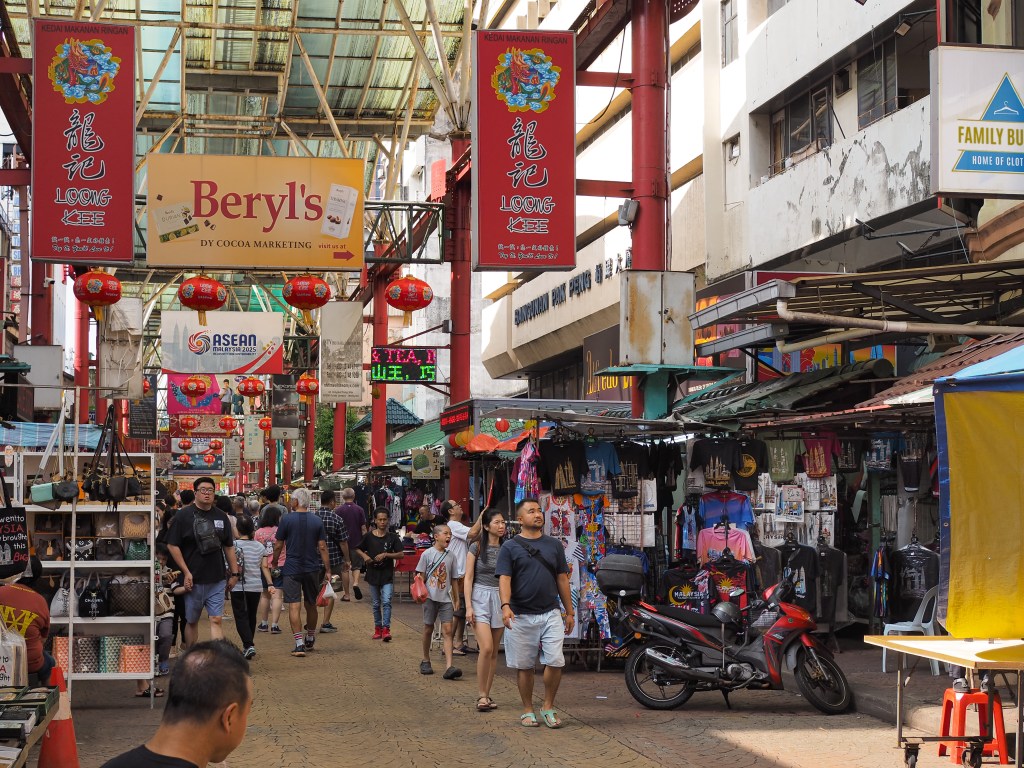
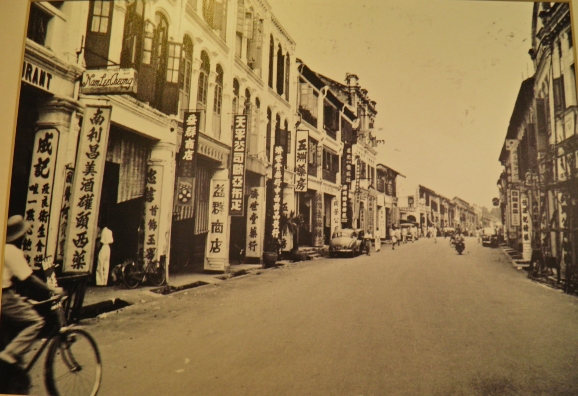
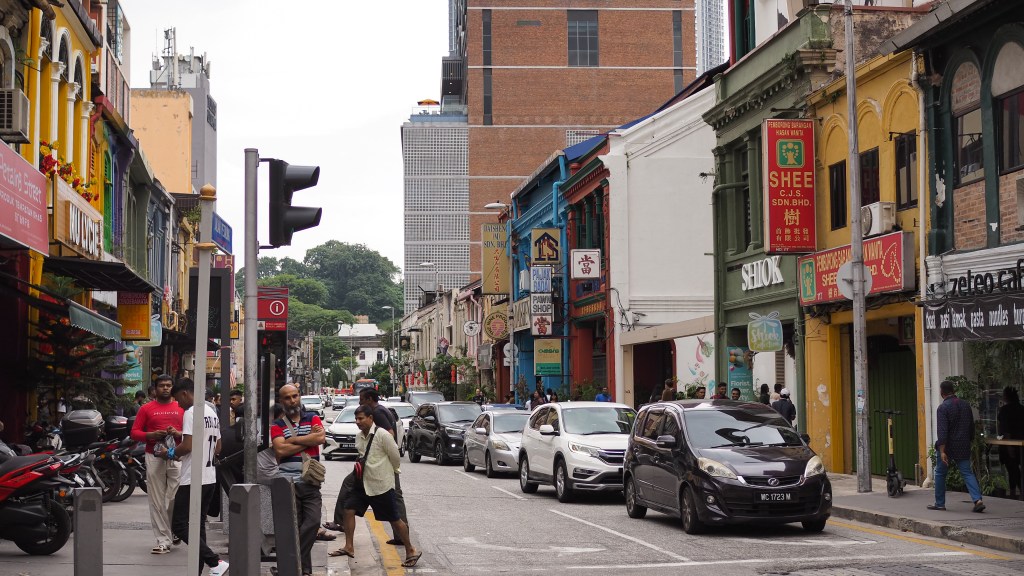
Walk through Petaling Street today and you’ll encounter the patina of time—striking façades with wooden shutters, wrought-iron balconies, and bold signage bearing Chinese characters faded by decades of tropical rain. These are the shophouses of memory, echoing the Straits Eclectic style: Chinese Southern motifs, colonial influences, and local Malay craftsmanship.
By the 20th century, the area had evolved into a dynamic bazaar. Locals frequented Chinese medicine halls, textile merchants, goldsmiths, and dim sum shops tucked behind beaded curtains. Some of these trades still quietly operate—though now dwarfed by an influx of souvenir stalls and counterfeit fashion.

Surviving War, Modernisation, and Memory Loss
The Japanese Occupation (1942–1945) brought hardship to Chinatown. Petaling Street, like much of KL, became a site of fear and resilience. Community support networks kept families afloat. Resistance brewed in shadows. After the war, life returned—bruised, but not broken.
In the years that followed, modern Kuala Lumpur expanded rapidly, with shopping malls, elevated highways, and gleaming high-rises gradually encircling Chinatown. Petaling Street, ever resilient, adapted—at times ungracefully, at times with quiet elegance. Some shophouses shifted identities with the tides of urban change: once brothels behind closed shutters, they were later reborn as cafés and bars, now frequented by a younger generation unaware of the histories layered beneath their feet.
Heritage in the Hands of the Future
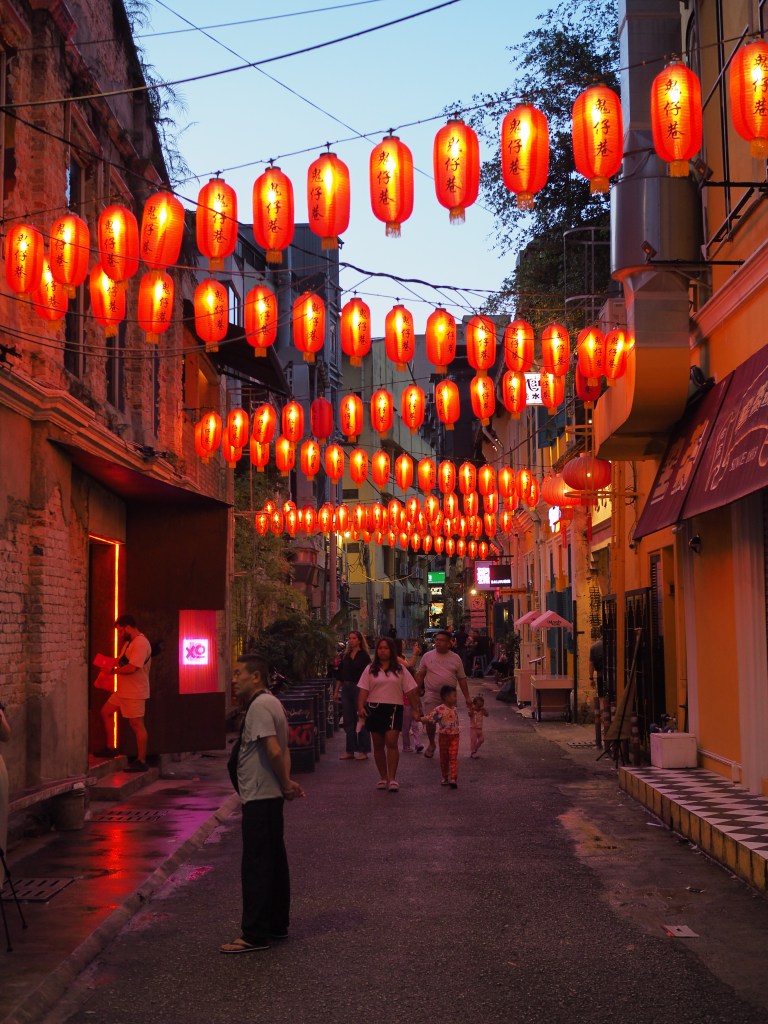
A new generation is breathing life back into Chinatown, reclaiming its historic spaces with creativity and purpose. Visionary entrepreneurs are transforming once-forgotten pre-war buildings into concept cafés, bars, studios, and cultural venues. Take Kwai Chai Hong, for instance—once a derelict alley littered with syringes, it has been reimagined into a vibrant laneway adorned with murals, interactive installations, and rich storytelling. Just around the corner, the Zhongshan Building—formerly a butchery and later a residential block—now hosts independent bookstores, art collectives, and specialty cafés. Meanwhile, the iconic Rex Theatre, a relic from decades past, has been reborn as REXKL: a dynamic social and culinary hub that resonates with the energy of a younger, urban crowd.
However, there is always a dilemma between preservation and progression is constantly ongoing. Some worry about cultural dilution or displacement. Others see an opportunity for urban reinvention that respects legacy.
READ ALSO: Good News Pizza, Chinatown KL
A Living, Breathing Heritage
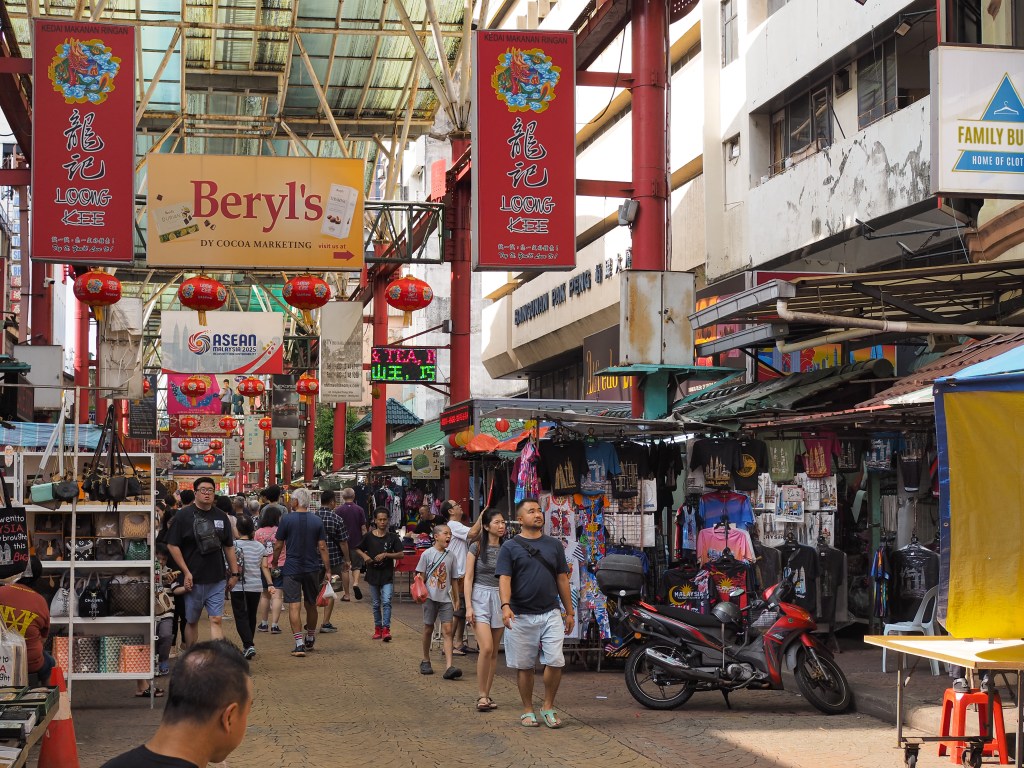
Petaling Street is not a museum piece—it breathes, hums, and evolves with the passing hours. At dawn, the scent of freshly brewed kopi mingles with steam rising from hawker stalls serving traditional breakfasts to early risers. By afternoon, the street brims with activity: traders call out beneath striped awnings, tourists haggle for keepsakes, and the pulse of commerce is steady and unrelenting. Come nightfall, the tempo shifts once more. Neon lights flicker to life, bars and eateries draw a younger crowd, and the laneways echo with laughter, music, and stories both old and new.
It is a place that never truly sleeps—restless and resilient, like the city itself. From lantern-lit New Year festivities to the clatter of mahjong tiles behind faded shutters, Petaling Street pulses with a spirit that is both familiar and constantly renewing. It remains KL’s paradox: at once ancient and adaptive, traditional and trend-aware.
As Malaysia reflects on the role of heritage in a rapidly modernising city, Petaling Street stands as a vital example of what urban memory can become—if we choose to honour it not with nostalgia, but with care, creativity, and continuity.

 Nacre.
Leave a comment