When Nova, Ourense’s one Michelin-starred restaurant, brought nine courses of Galician cuisine to Kuala Lumpur for a single night, it asked diners to meet a region they had never tasted on its own terms.
Galicia does not taste like the rest of Spain. Tucked into the northwestern corner of the Iberian Peninsula, it is a region shaped by Atlantic cold, green interior farmland, and a coastline that has fed its people for centuries. Its cuisine is not built on olive oil and heat, but on dairy, seafood, and the deep patience of a place that learned to preserve what the land and sea gave it.
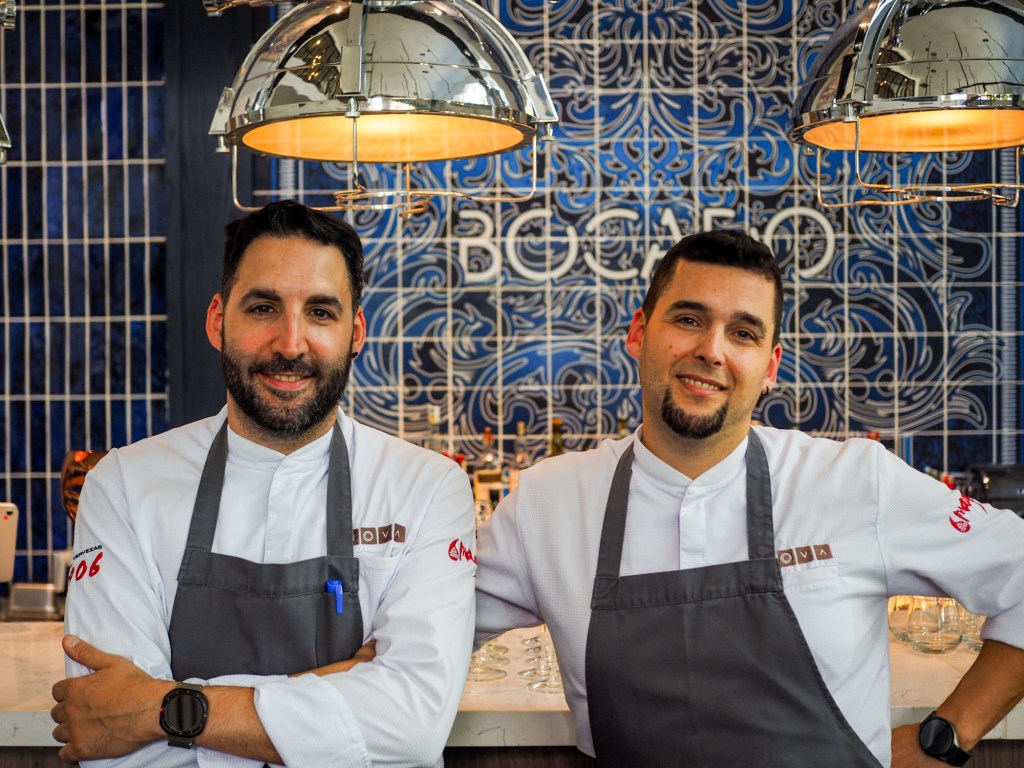
Nova, a one Michelin-starred restaurant in the city of Ourense, is a direct expression of its surroundings. Helmed by chef-cousins Daniel Guzmán and Julio Sotomayor, both of whom grew up around cooks and kitchens in Ourense before training formally across Spain, the restaurant is built on a single conviction: let the product speak. Its menu shifts with the seasons, singing with the high-quality produce sourced from the land and sea of Galicia, and changes not by trend but by what the terroir has to offer. They have held a Michelin star since 2018. On 13 March 2026, they brought that approach to Kuala Lumpur, 11,518 kilometres from home.
The host was Bocado, Galician chef Victor Santos’ long-established Spanish restaurant in Damansara Heights. The collaboration was chef-initiated: a decision to introduce what Galicia actually tastes like to a city that has embraced Spanish fine dining without yet encountering its most distinctive region.
READ ALSO: Bocado, Damansara Heights Review: Spanish Flavours & Galician Soul in KL
9-Courses into Galicia
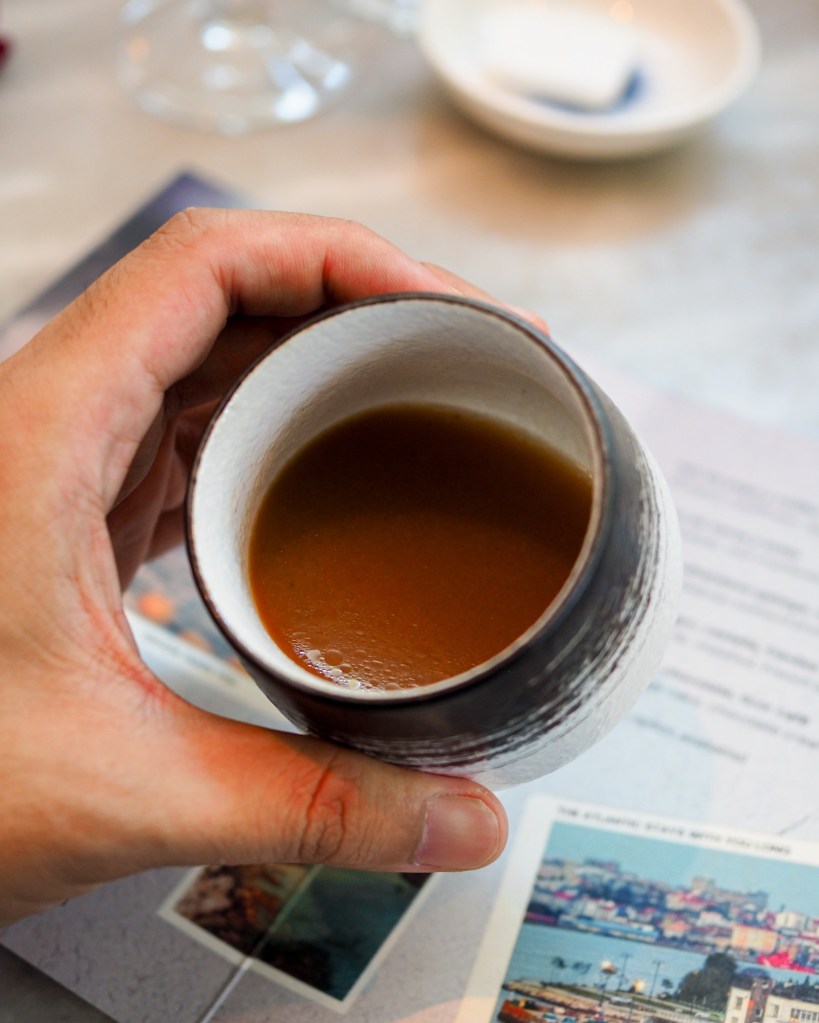
The first course arrived named after that distance—Miso 11,518 KM, a miso and beef consommé served in a cup to be sipped from. A double dose of umami, the forward funk of miso met the savoury depth of beef at the back of the tongue. Rich and amber, not quite as clear as a French consommé but every bit as memorable. A declaration in a cup.
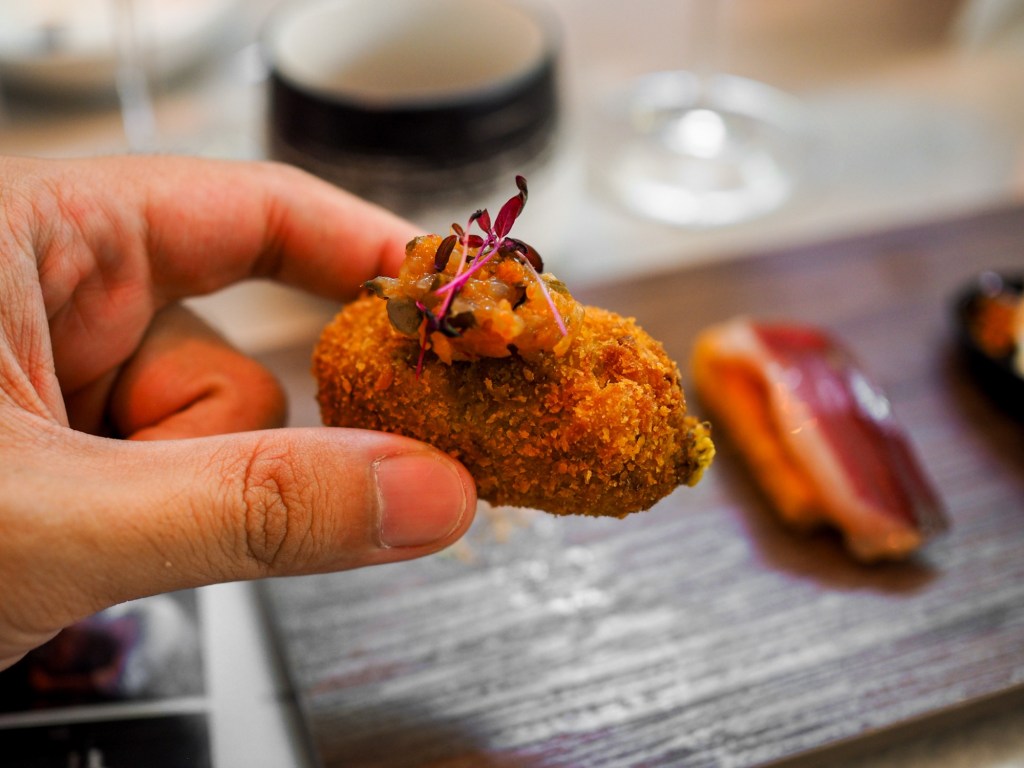
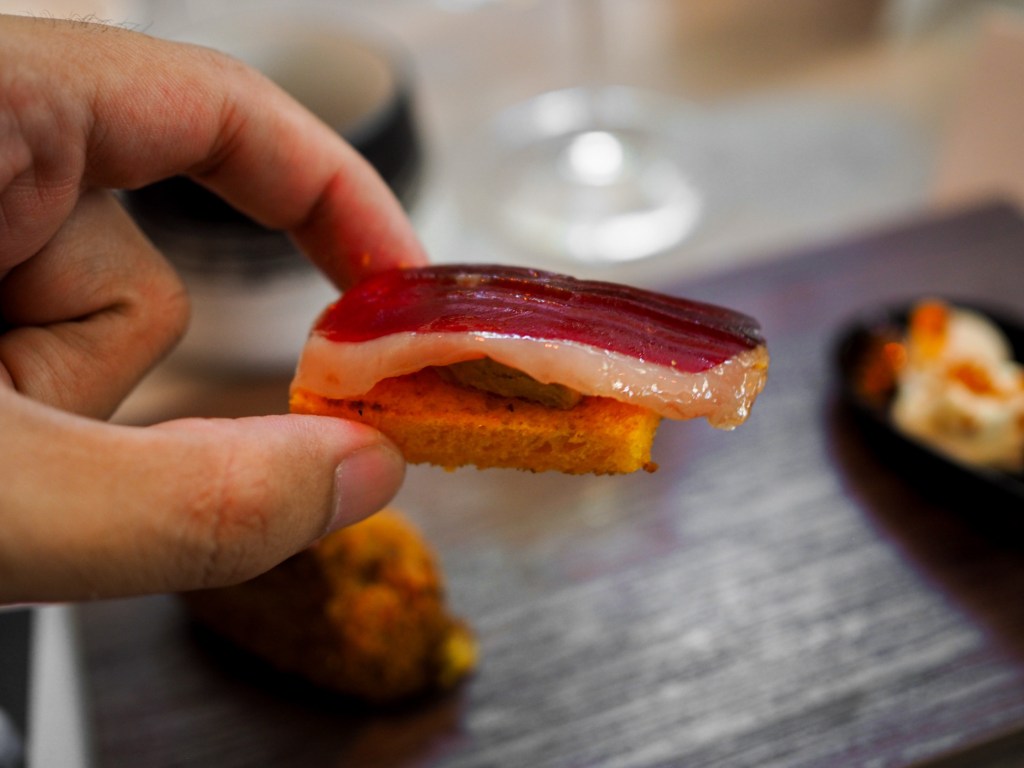
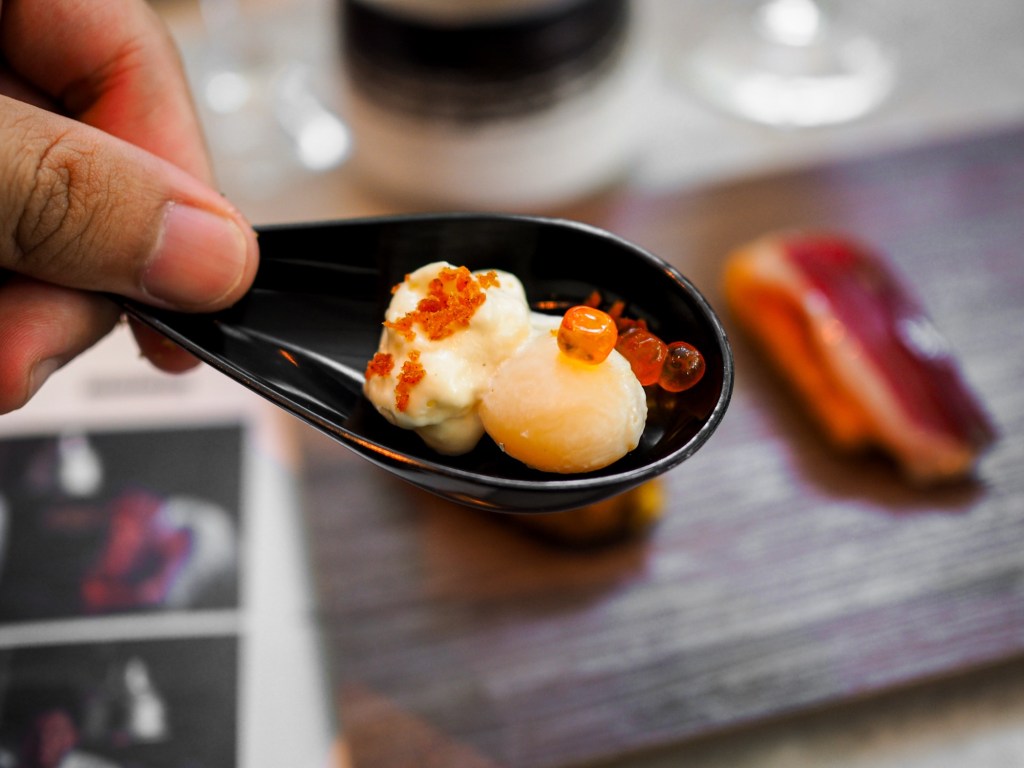
Three appetisers followed on a single platter, left to right. The croqueta de grelo ahumados anchored one end; grelos, the turnip greens that appear in Galician cooking the way pandan appears in ours, coaxed here from their natural bitterness into something gently sweet, molten inside a shell that shattered at the tooth. A crown of shrimp ceviche and kimchi sat on top, unexpected company, but the grelos were never in any danger of being upstaged.
The jamón de pato sat in the centre—cured duck ham on aerated foie mousse and toasted brioche, its saline intensity so close to pork jamón in character that the distinction only registered in retrospect. A sharp, clarifying bite. The huevo de cordorniz, requesón closed the trio. Quail egg, fresh whey cheese, light curd foam, and orbs of salmon roe arranged in an eccentric elongated spoon. The creamiest and mildest of the three, an exhale before the menu proceeded in earnest.
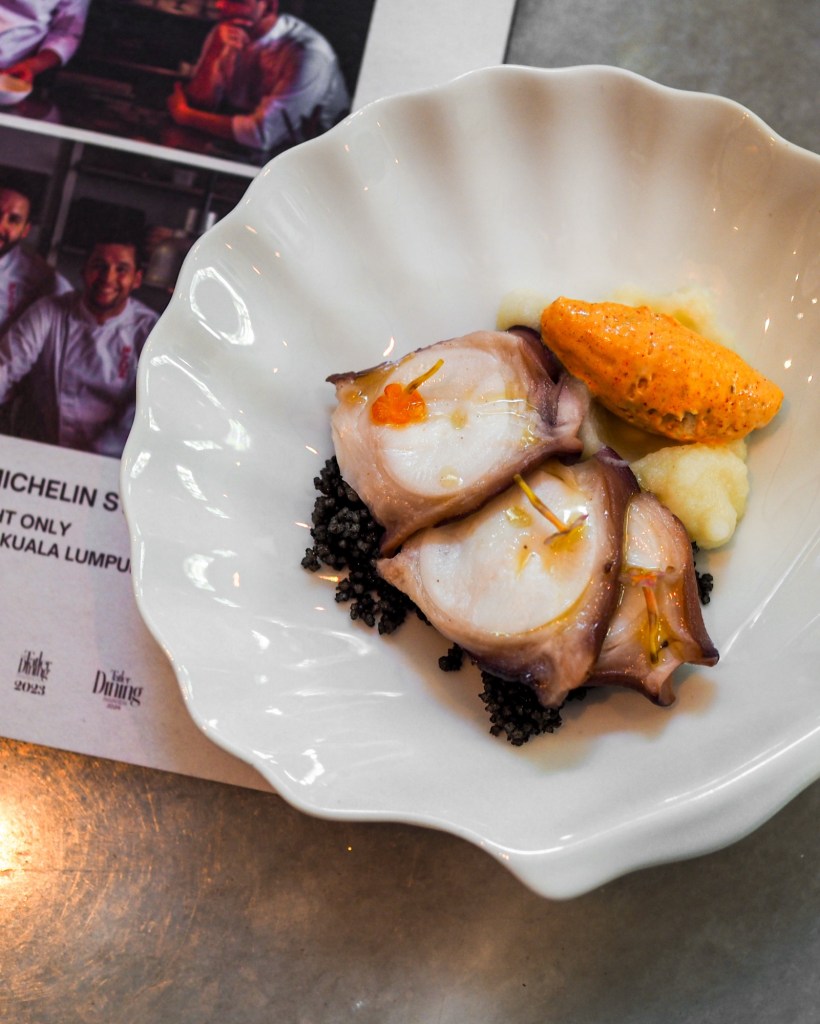
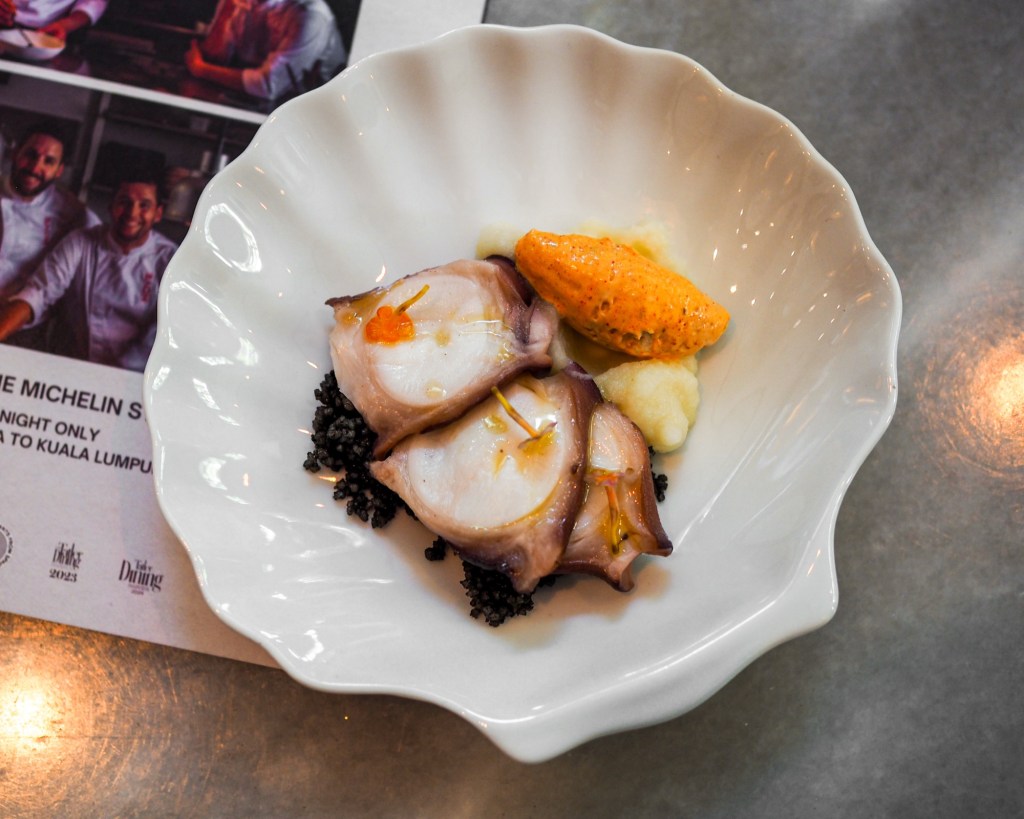
Introduced loosely as a salad, the frío de pulpa y coliflor was extraordinary. Pulpo a feira—octopus dressed with olive oil, salt, and pimenton—is Galicia’s most iconic preparation, and tonight’s interpretation honoured that reverence entirely. Sliced octopus, imbued with the essence of the ocean, sat atop squid ink-darkened couscous, surrounded by cauliflower purée and a vermilion quenelle of ankimo mousse. Perfectly cooked, with the slightest bounce at the tooth—salty and yielding against earthy and creamy, the richness of the sea-foie anchoring it all. Of all the courses, this one needed no cultural footnote to make its case.
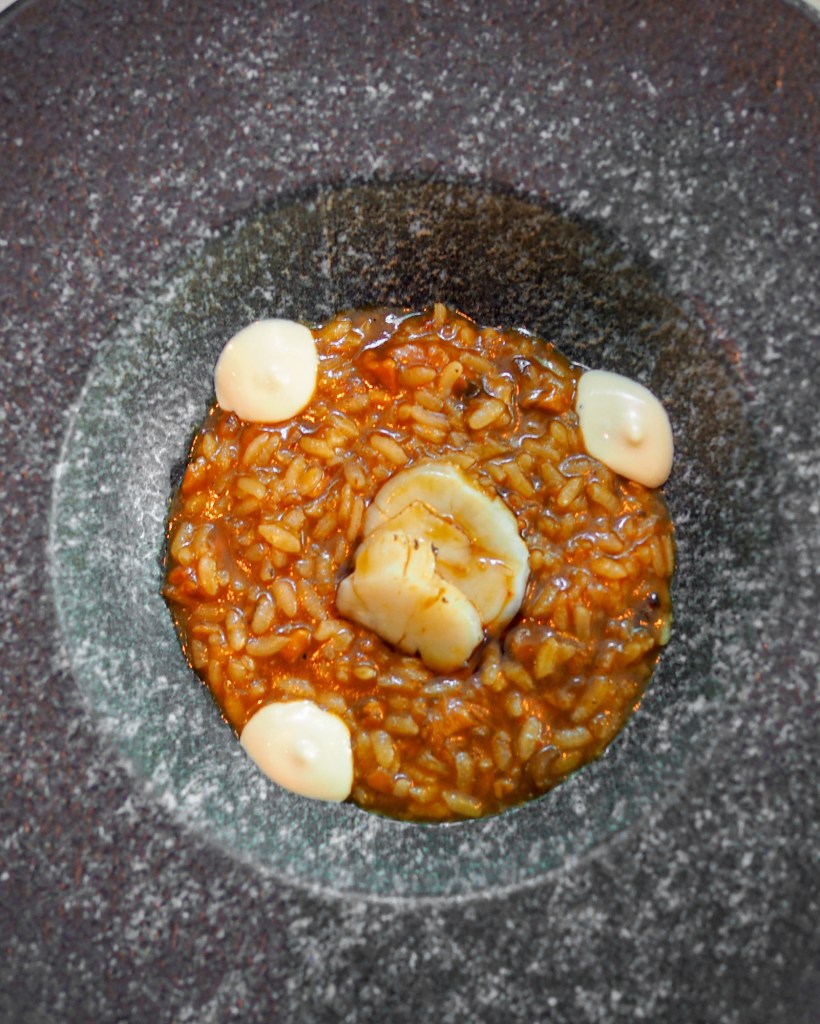
Arroz de vieras y setas paired king scallop with wild chanterelles and beef jus—surf and turf in its most refined expression. In Galicia, the sea and the pasture have always shared a plate, and here the rice, deeply infused with beef stock, proved a surprisingly natural companion to the silky scallop. Chanterelles appeared in earthy pockets throughout. Among the most considered dishes of the evening.
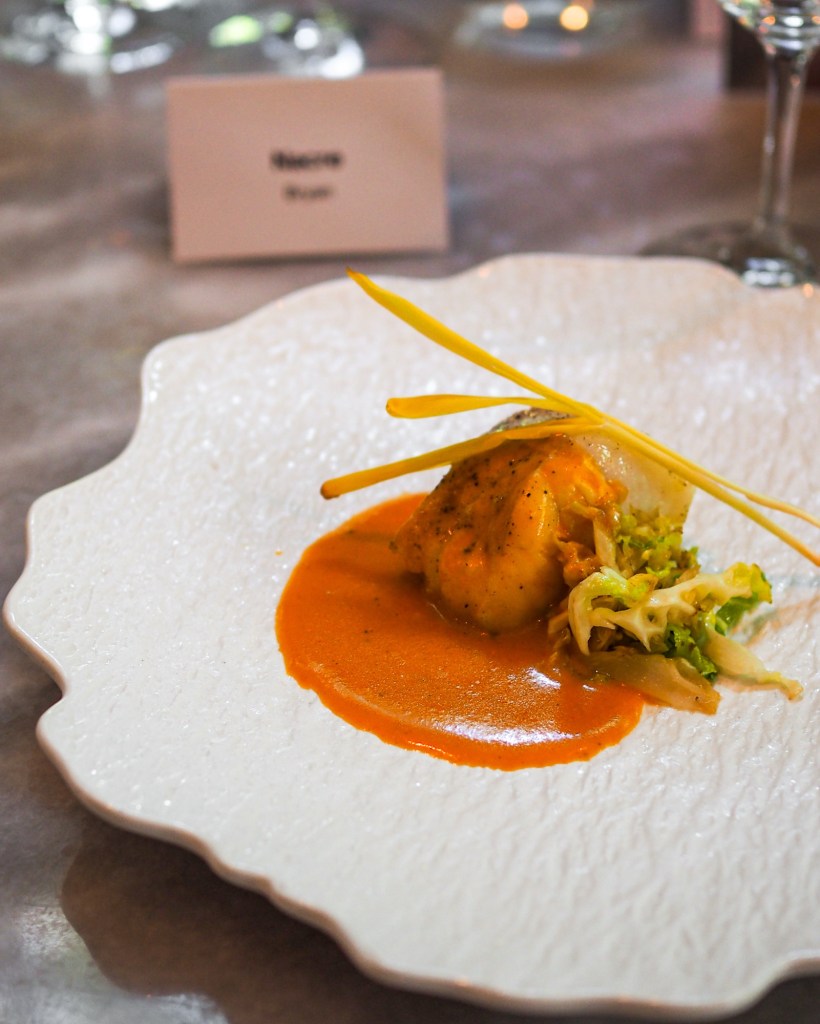
Between the two protein mains, the monkfish was the one that stood out to me. Ugly by nature, the chefs showed photographs of themselves posing with the creatures, but exquisite on the plate. Firm and sweet, its flesh carried a bounciness reminiscent of grilled stingray, springing back with resistance before yielding.
A bouillabaisse galega, built from monkfish bones and crustacean shells and spooned tableside, arrived closer to a bisque in its intensity—deeply saline, impossibly layered. Sautéed repollo (cabbage), finished in high-quality olive oil, offered a clean, fruity counterpoint. Another standout.
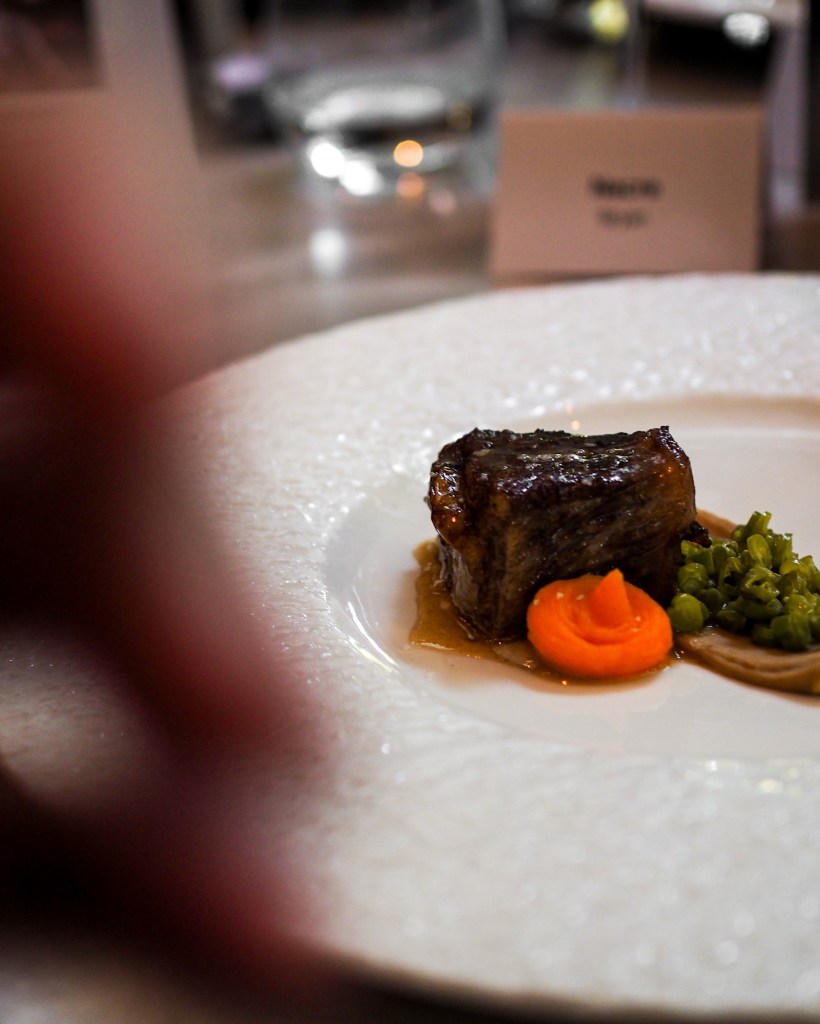
The short rib was the evening’s most grounding course, and its most instructive. Costilla Australian Wagyu, slow-cooked to a meltingly tender finish, was plated with a smear of castaña (chestnut) purée and a piped portion of sweet potato purée.
The chefs noted that both chestnuts and sweet potatoes predate the conventional potato in Galicia. They were the primary carbohydrates of the interior for centuries, fuel for the farmers and cattle herders of a region that lived as much off the land as the sea. On one plate: the pasture, the forest, and the kitchen garden, compressed into a single coherent argument.
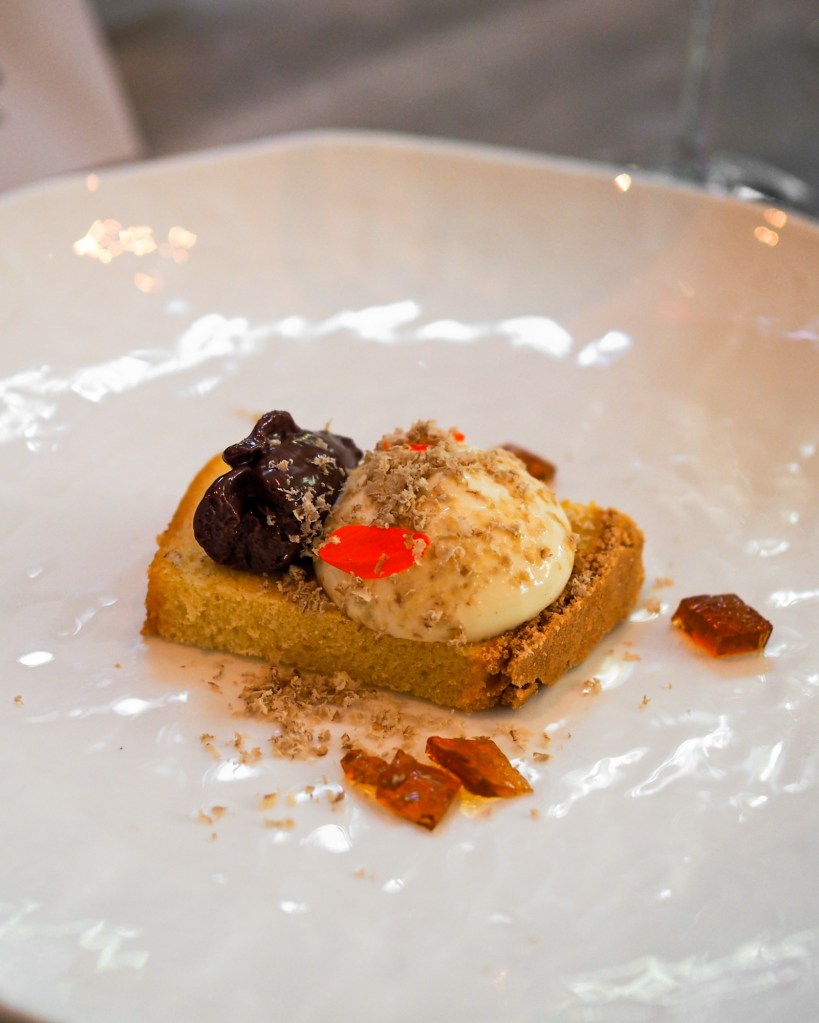
The Bica Ourensá closed the evening. A regional butter cake with a crunchy sugar crust, firm crumb, and shaved chestnut that dissolved almost imperceptibly unless eaten directly. The dark chocolate ganache was its saving grace, providing the richness the cake alone could not. As a finale it left me wanting something more. But culturally, it served its purpose entirely. Almost every culture has its version of the butter cake. This was Galicia’s, presented without apology.
On the Pairings
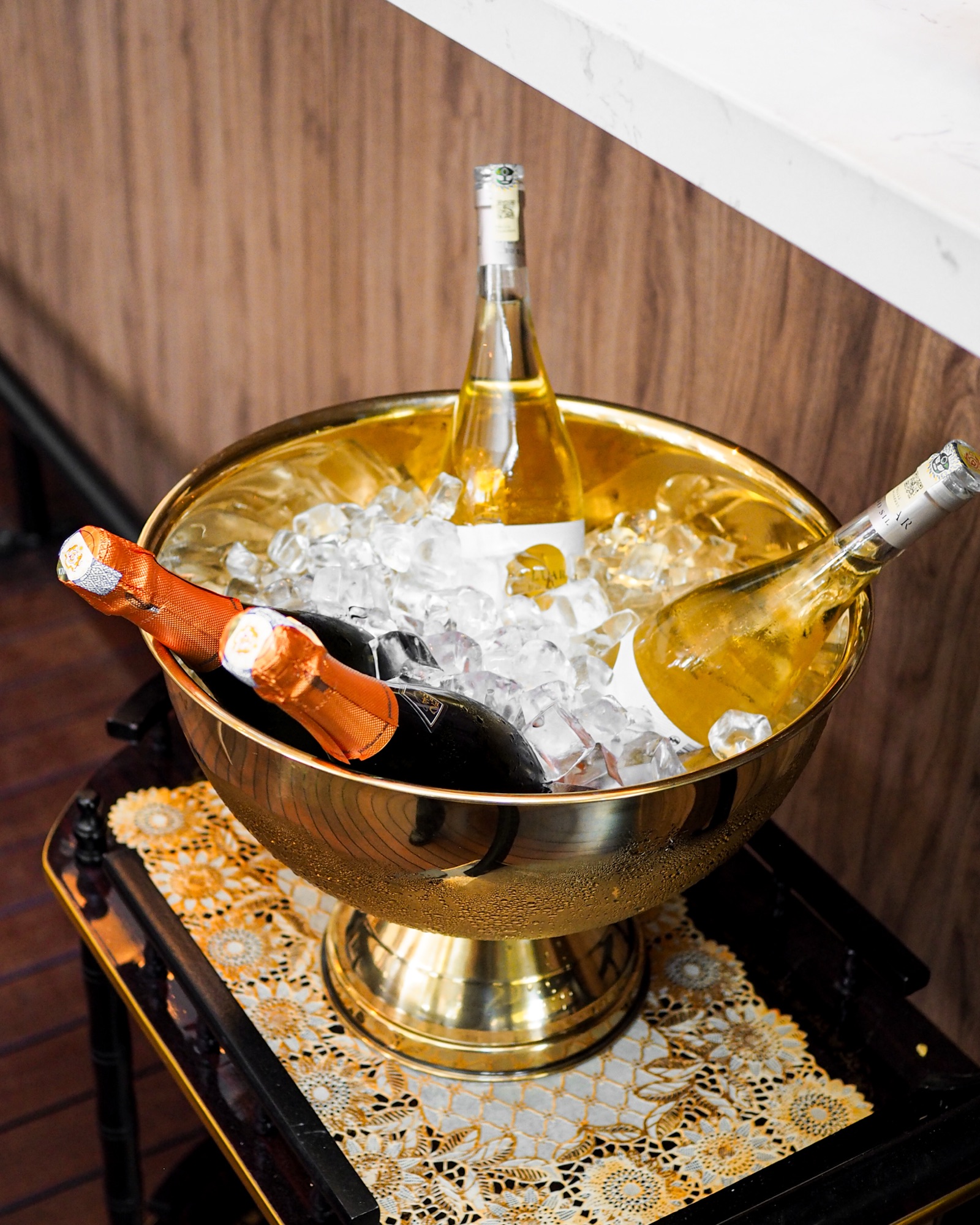
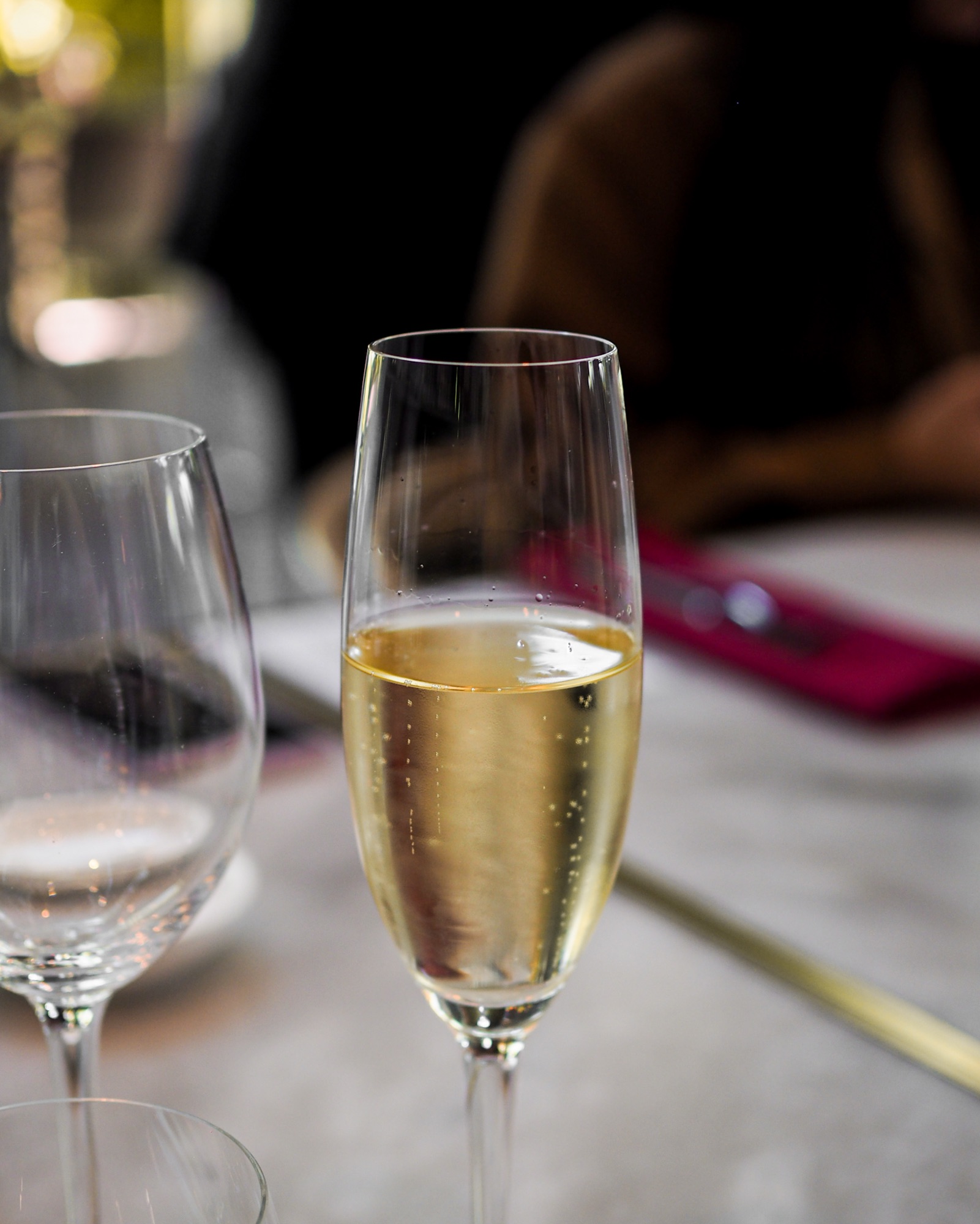
Three of the four wines poured that evening were Galician, curated by wine importers Spanish Cellar and Monopole.
The Jane & Santacana Cava Brut from Penedès opened alongside the consommé and appetisers—crisp, lightly fruity, with fine effervescence that I found immediately approachable. Cava is Spain’s traditional celebration wine, and as an opener it set an easy, convivial tone.
The O Luar do Sil Godello carried the seafood courses. Godello is Galicia’s flagship white grape, grown in the Valdeorras DO where slate and granite soils give it a minerality I noticed but couldn’t quite name at the table—experts have described it as flinty, wet stone. What I picked up on was its weight: more presence than its lightness suggested, with a saline finish that made it feel less like an accompaniment and more like an extension of the ocean on the plate. The pairing was geographic with intent.
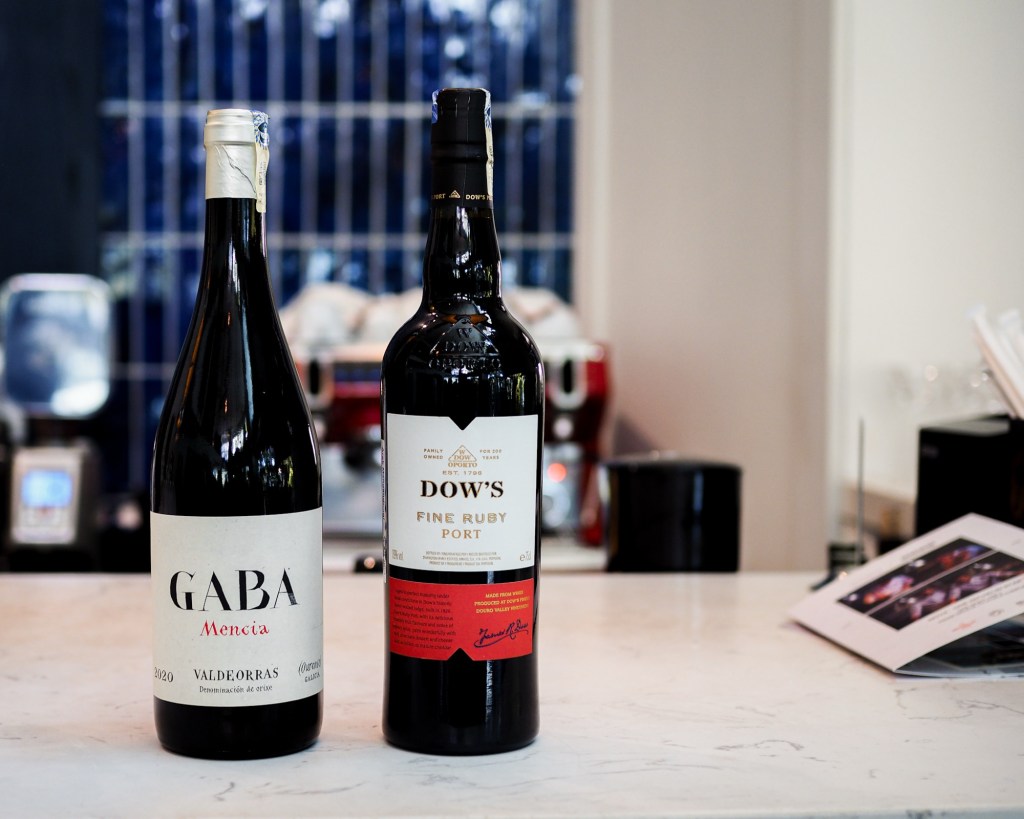
The Telmo Rodriguez Gaba do Xil Mencía arrived with the short rib—also from Valdeorras, also Galician. The fruitiness hit immediately on the nose, vivid and a little wild. On the palate it finished smoother than I expected, the tannins fine enough to let the rendered fat of the Wagyu carry through without resistance. The salinity I sensed is apparently a signature of the terroir — granite and slate soils leaving their mark on the grape. Mencía is what Galicia tastes like in red.
Dow’s Fine Ruby Port closed proceedings with the Bica. Full, dark-berried, viscous. It did generously what the butter cake could not quite do on its own. Port is Portuguese, the Douro just across the border from Galicia. Near enough in spirit to feel like a familiar neighbour.
The Takeaway
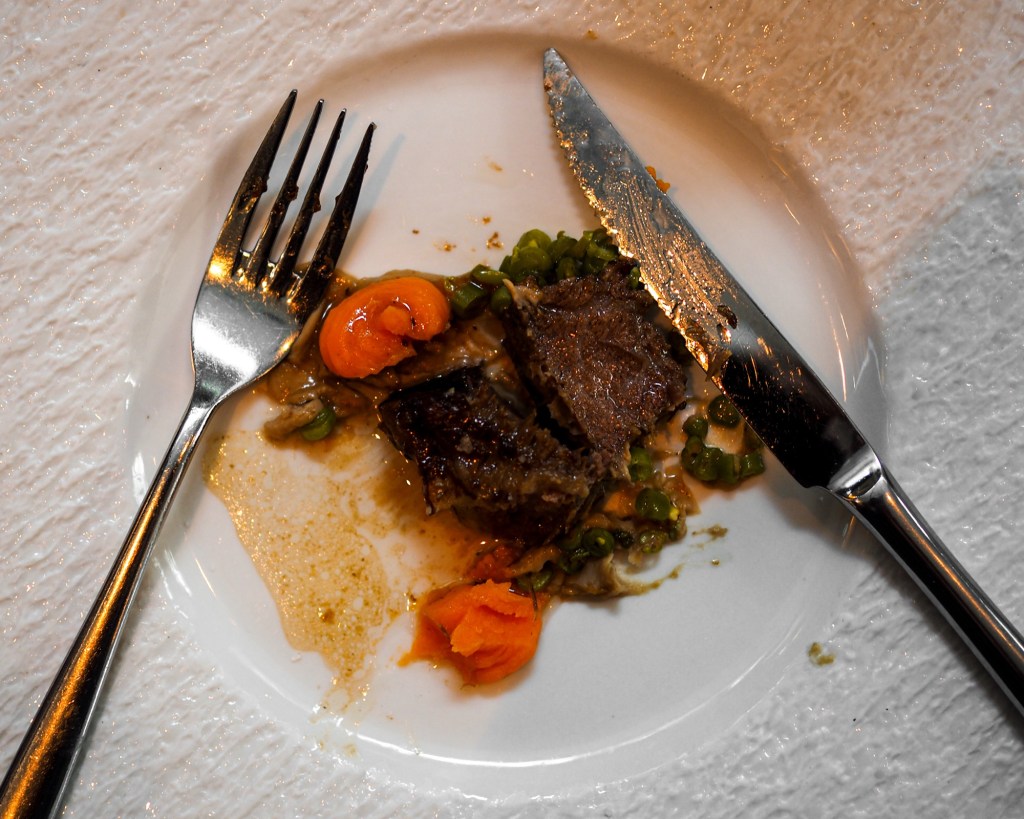
There were dishes I found more compelling than others. The Bica wanted more. A jus on the short rib would have elevated it. But this was never a dinner asking to be loved, it was asking to be understood. Galician cuisine does not negotiate with the unfamiliar. It simply shines as it is, rooted in a place most of us have never been.
And therein lies its triumph. A guest need not love every dish for a menu to achieve its purpose. If the food conveys the chef’s intention, if it tells you something true about where it comes from, then it has done its work. Nova and Bocado told KL something true about Galicia. In nine courses, across one night, 11,518 kilometres felt considerably shorter.
READ ALSO: Fine Dining Was Never Designed for Everyone
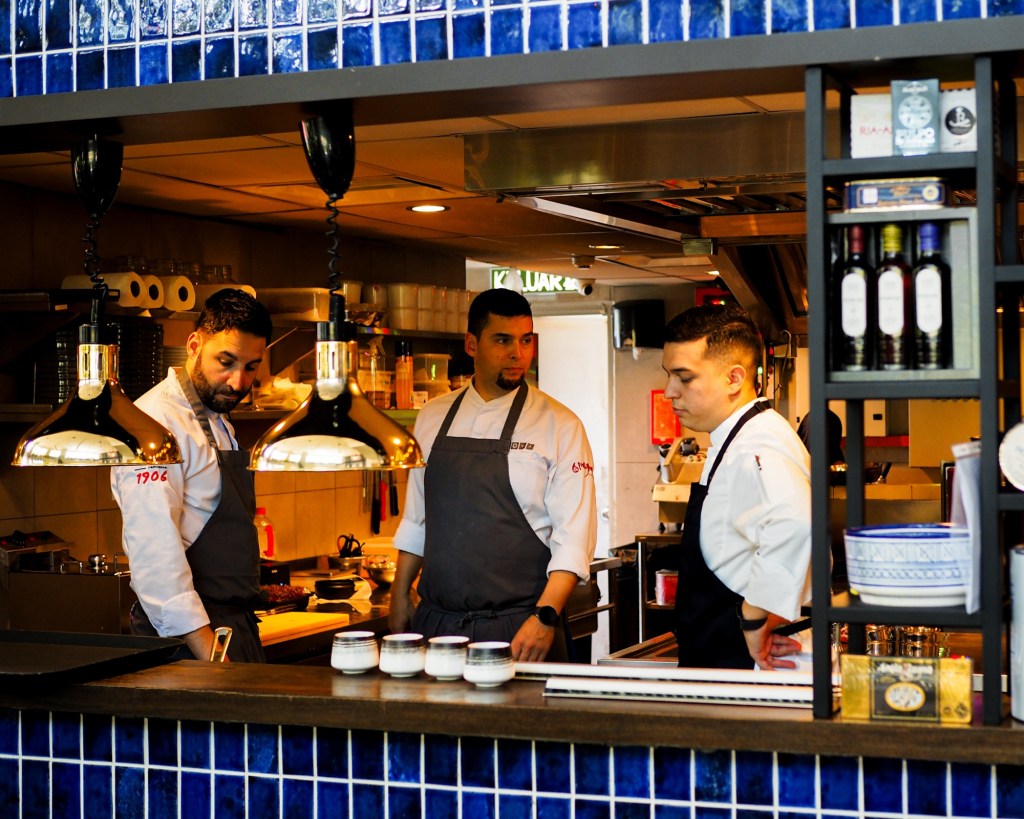
From Galicia to Kuala Lumpur was supported by Classic Fine Foods, Spanish Cellar KL, Monopole, and Kelang Leather.
From the table to the world beyond, Nacre brings you dining, travel, and lifestyle experiences worth savouring. Explore more with us on Instagram (@nacre.asia).

 Nacre.
Leave a comment