
A look at why Malaysians react so strongly to fine dining, and why tasting menus were never meant to satisfy universal expectations.

Every year, the same scene unfolds. A Michelin announcement drops, the internet convulses, and the public outrage machine whirs back to life. Someone’s favourite neighbourhood kopitiam didn’t get a star. A beloved nasi lemak stall was overlooked. A modern restaurant that no one has heard of suddenly has the spotlight, and the comments flood in with predictable rhythm: small portions, overpriced, pretentious, not Malaysian enough, who are these inspectors to judge us?
It plays out like seasonal theatre. The anger burns bright for a week or two, then fades into the background until the next guide appears and the cycle begins again.
This outrage says less about the restaurants and more about the expectations people project onto them. Fine dining in Malaysia has become a cultural Rorschach test: everyone sees what they want to see, often without understanding what it actually aims to do.
A System Built on Craft, Not Universality
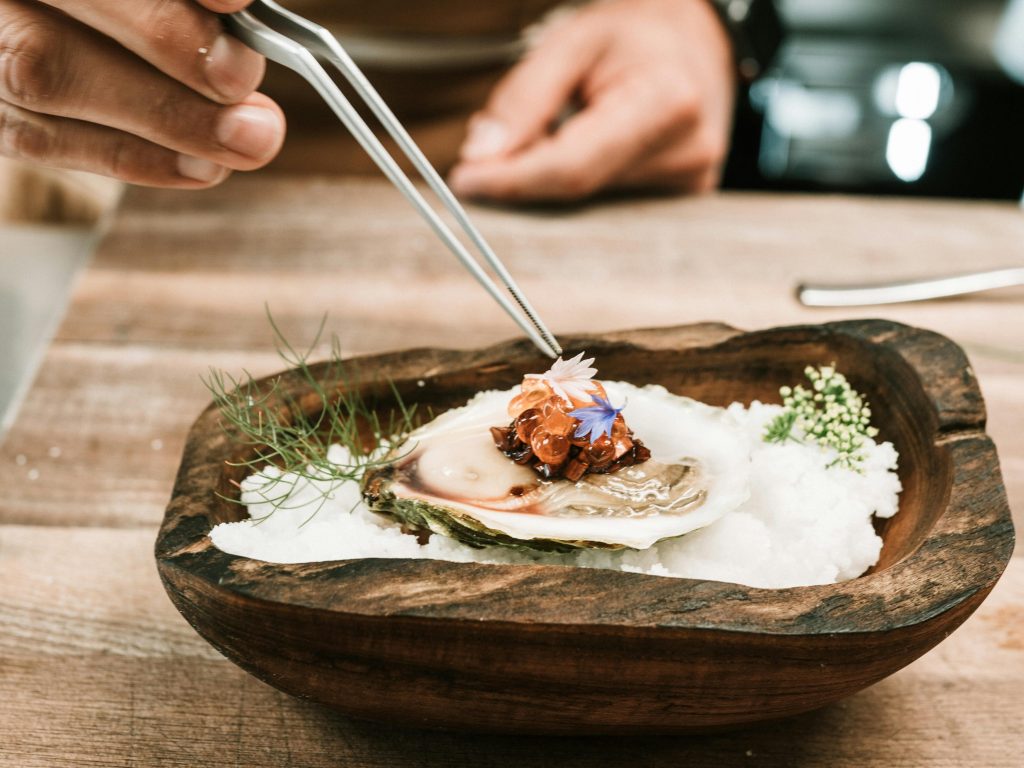
Most Malaysians evaluate food through comfort, satiation, and familiarity. We come from a food culture where excellence is abundant and accessible, and where flavour rarely requires ceremony. Against this backdrop, fine dining can feel alien—a format that privileges intention over abundance and narrative over nostalgia.
A tasting menu is conceptual by design. It reflects a chef’s technique, philosophy, and cultural dialogue. Some dishes lean into comfort; others explore clarity or restraint. Some aim to evoke memory; others interrogate flavour. Fine dining treats flavour as a language, not a destination.
Misunderstandings arise when diners expect every bite to offer the same immediate gratification as a beloved hawker plate. And to be fair, not every tasting menu succeeds in achieving clarity or resonance either. There are meals that miss their mark, courses that feel abstract for abstraction’s sake, and ideas that do not translate well to the diner. None of this is a failure of the diner. It is simply the inherent risk of creative cuisine.
Cooking is a learning experience, constantly evolving, adapting, and yes, mistake-making. A menu is not an artifact to be hung in the Louvre preserved in glass, frozen in time. It will have its shortcomings, its quieter courses, its imperfect moments. The best kitchens understand this and refine relentlessly, course by course, service by service.
Deliciousness is personal. Intention is deliberate. Fine dining asks diners to shift perspective rather than chase the familiar. Those who move between formats—the intimate precision of kappo, the clarity of modern French, the terroir-driven narrative of contemporary Asian kitchens, even the fine casual spaces that balance comfort with technique—will recognise that fine dining is not a single style but a discipline built on deliberateness.
Cooking is a learning experience, constantly evolving, adapting, and yes, mistake-making.
The Portion Misconception
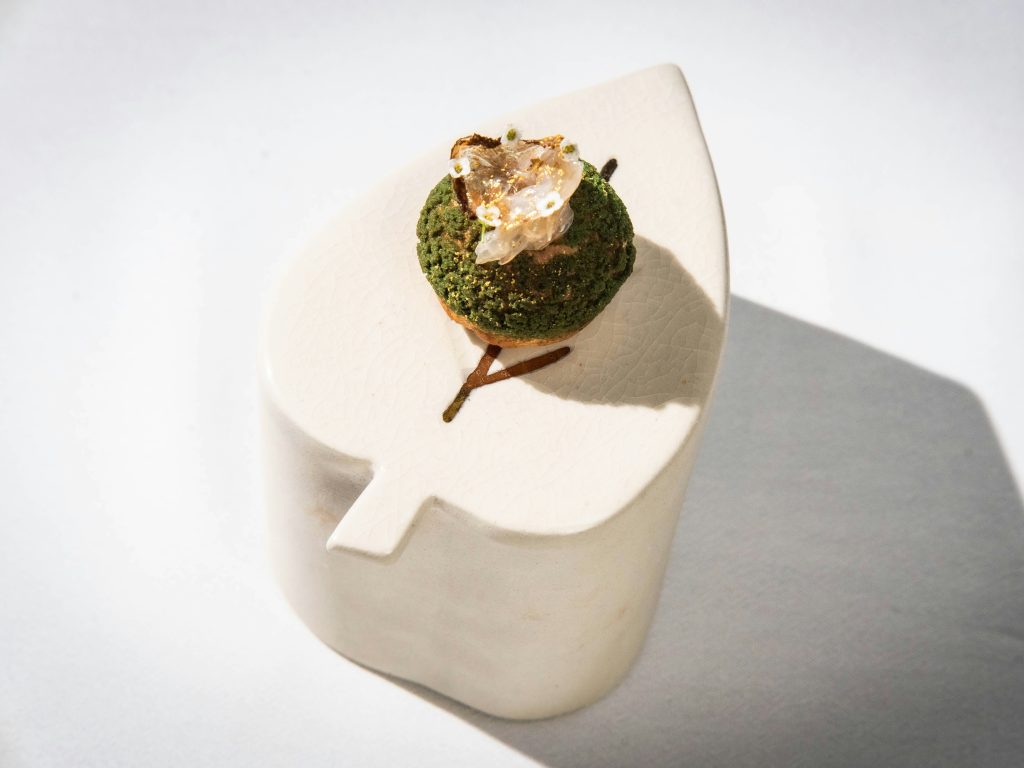
When someone says, “I can finish that in two bites,” they are right. But they are also missing the larger architecture of the menu.
The small-portion stereotype persists because many people rarely see a tasting menu in its entirety. Ten to twenty courses add up in ways that photographs never show. A chef considers how much richness a diner can handle over three hours, how acidity resets the palate, how texture builds anticipation, and how temperature shifts create rhythm.
Fine dining is not a feast. It is a sequence.
Viewed in isolation, a single plated course appears tiny.
Viewed as part of a progression, it becomes structural logic.
The Invisible Craft
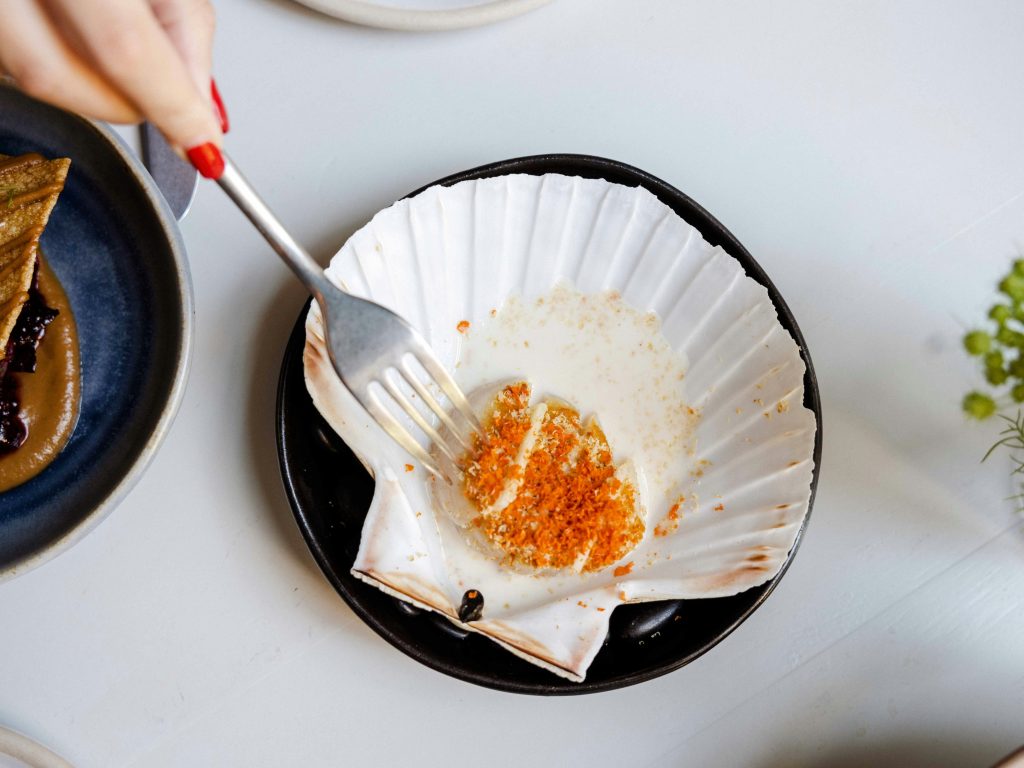
Fine dining is also burdened by the invisibility of its labour. Diners see a scallop but not the trimming, brining, reducing, seasoning, and timing behind it. They see a broth without seeing bones roasted, stocks clarified, aromatics balanced. They see a sauce but not the emulsification or slow reduction calibrated over hours.
To someone measuring value through quantity, this seems excessive.
To someone who sees food as craft, this is the craft.
Yet it is equally true that not every diner is obligated to care about these unseen steps. Most people approach dinner as nourishment and pleasure, not an academic exercise. The disconnect lies not in ignorance, but in differing priorities—both valid.
The Michelin Effect: A Question of Representation
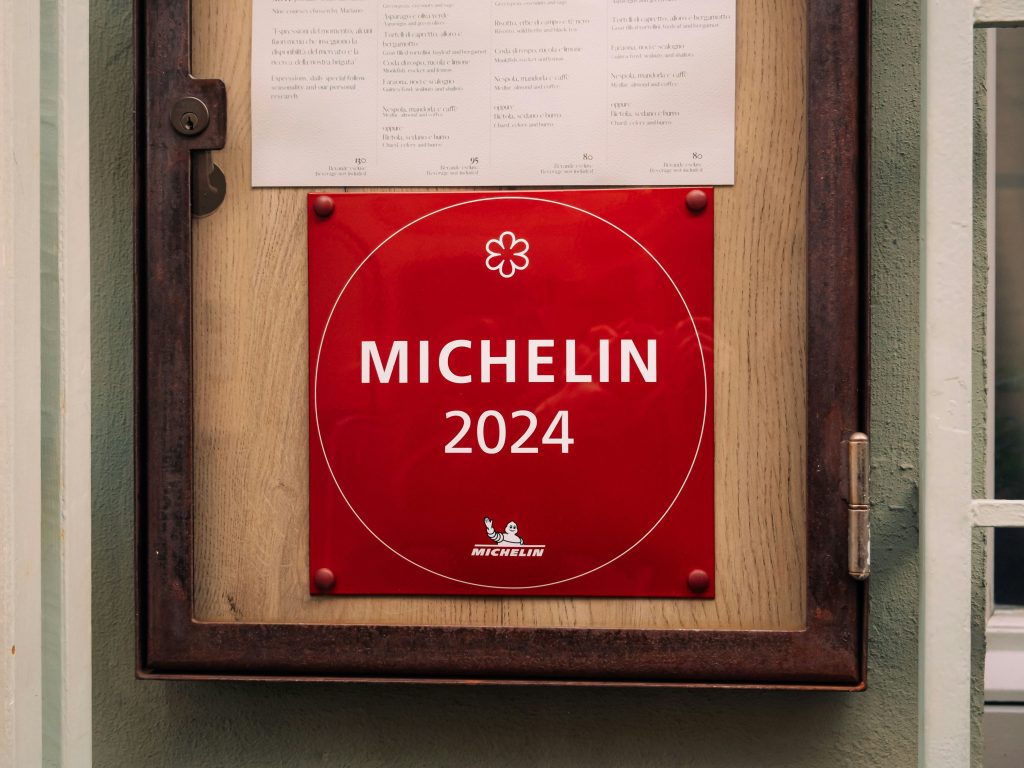
The annual debates over Michelin stars and tasting menus reveal a collective anxiety about representation. We want our experiences validated. We want the food we grew up with to be celebrated. We want Malaysia to be seen.
Malaysia’s reaction to Michelin selections reveals a deeper cultural tension. Many expect the guide to reflect the nation’s emotional palate, the places we grew up with, the taste memories we inherited, the hawkers who shaped our childhoods. When this does not happen, people take it personally.
We want our experiences validated. We want the food we grew up with to be celebrated. We want Malaysia to be seen.
But Michelin has never been tasked with being a census of national favourites. The guide evaluates consistency, technique, ingredient handling, and balance. It does not measure nostalgia. It does not rank the food we crave on late nights or weekend mornings. It cannot represent the entire culinary identity of a country, and it does not claim to. The misunderstanding is almost inevitable: one side seeks technical evaluation; the other seeks cultural validation.
That desire is valid. But expecting fine dining to shoulder this responsibility reduces it to a cultural mascot rather than a creative discipline. We can celebrate the genius of hawker food and acknowledge the finesse of modern restaurants without forcing them into competitive opposition. They occupy different ecosystems, meet different needs, and speak different culinary languages.
Occasion Dining and the Burden of Expectation
There is also a cultural habit of reserving fine dining for celebrations, which inadvertently raises the stakes. A birthday, anniversary, or proposal dinner becomes a high-pressure event. A single meal becomes a vessel for sentiment, symbolism, and social signalling. Every detail is scrutinised for flaw or perfection. Anything less becomes a “waste of money.”
The problem here is not fine dining. It is the emotional weight placed on a single evening.
One confusing course becomes a misstep.
One muted flavour becomes grounds for disappointment.
One unfamiliar idea becomes evidence of pretension.
A dish that is quietly brilliant in its technique may be dismissed as underwhelming simply because it did not align with the guest’s expectations of extravagance. Fine dining is meant to be explored with curiosity, not burdened with the responsibility of producing a life-changing moment.
Fine dining is meant to be explored with curiosity, not burdened with the responsibility of producing a life-changing moment
The Price Factor
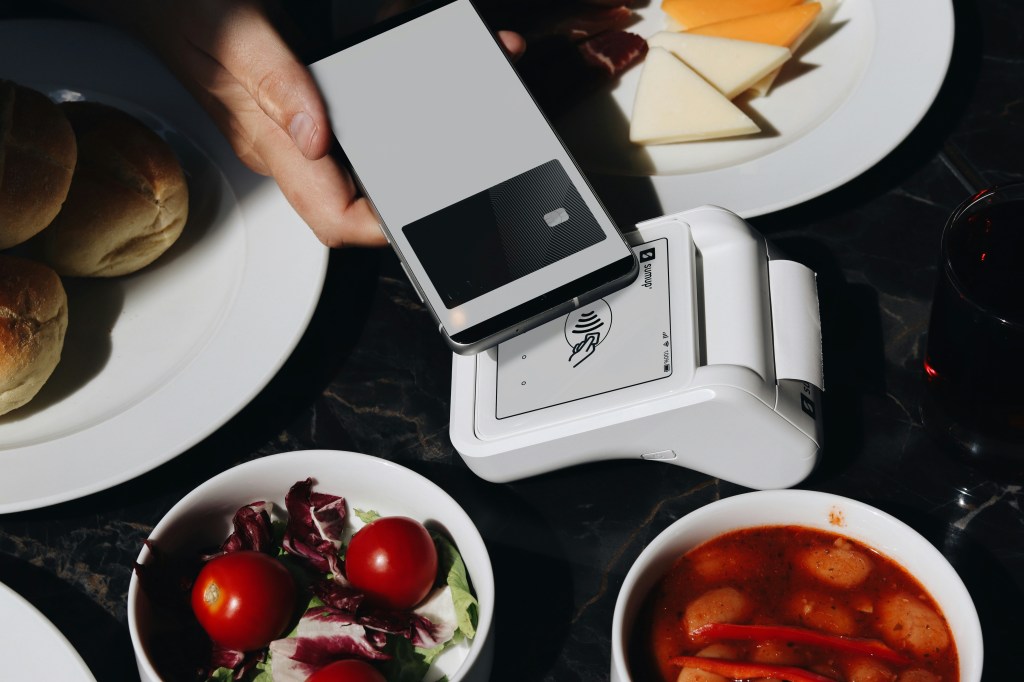
A degustation menu commonly begins north of RM400. Many sit between RM600 and RM800. Some even cross into the four-digit range. Factor in beverage pairings, and a single evening for one can consume a month’s wages or two to three months of a household’s food budget.
For many, the value proposition simply does not land and that reaction is grounded in lived experience, not ignorance. Malaysia’s daily food culture is extraordinary. When char kuey teow costs RM8 and tastes incredible, shelling out a grand on a tasting menu feels unconceivable.
Even when the economics of fine dining—costly produce, labour intensity, R&D, equipment, staffing ratios—explain the price, logic cannot override circumstances.
Not Superior, Specific
The discomfort many people feel with fine dining stems from a misalignment of expectations, not inadequacy on either side. Most diners want comfort, familiarity, and value measured by fullness. Fine dining offers none of these things. It offers perspective instead. It offers interpretation. It offers a glimpse into how chefs work through ideas, emotions, ingredients, and technical mastery.
This does not make fine dining superior. It simply makes it specific.
It is designed for diners who enjoy paying attention, who find pleasure in detail, who approach food as more than sustenance. and who recognise the value of technique and narrative. And not everyone desires that — nor should they.
This does not make fine dining superior. It simply makes it specific.
End Thoughts
Fine dining is misunderstood not because people fail to appreciate it, but because its purpose diverges from the everyday rhythms of Malaysian dining culture. When it is expected to provide comfort, nostalgia, fullness, and affordability, it will always disappoint. When approached with curiosity rather than comparison, its intricacies begin to reveal themselves.
Not every meal needs to challenge us.
Not every dish needs to tell a story.
Not every restaurant needs to earn a star.
But for those who seek it, fine dining offers a lens into intention and craft that deserves to be understood — even if it will never be for everyone.
From the table to the world beyond, Nacre brings you dining, travel, and lifestyle experiences worth savouring. Explore more with us on Instagram (@nacre.asia).

 Nacre.
Leave a comment