
In This Guide
- How to Get to Almaty
- Getting Around Almaty
- What to Do in Almaty
- What (and Where) to Eat in Almaty
- Where to Stay in Almaty
- Before You Go — Travel Essentials
Framed by the snow-dusted peaks of the Trans-Ili Alatau mountain range, Almaty feels both European and distinctly Central Asian. Once the capital of Kazakhstan and still its cultural heart, it is the intersection of Soviet history, Silk Road influences, and modern urban charm. Established in the 19th century as Verny, the city flourished under Russian expansion and later became the capital of Soviet Kazakhstan before Astana took the title in 1997. Today, Almaty stands as a gateway to the country’s southern highlands—creative, scenic, and brimming with quiet sophistication.
Interest in Almaty has surged recently among Malaysian and Southeast Asian travellers, thanks to social media platforms like TikTok and Xiaohongshu, where clips of its canyons, snowy peaks, and alpine cafés have piqued curiosities. What was once a unexpected, little-known city is now seen as a fresh, affordable alternative to Europe—‘Switzerland on a budget,’ as some call it.
Travellers who make it here quickly discover that Almaty’s charm lies in its contrasts: modern but unhurried, grand yet grounded. It’s a city where your day can begin with coffee in a leafy park and end beneath starlight over snow-capped peaks. For Southeast Asian travellers, it offers both novelty and comfort—four seasons, crisp mountain air, and remarkable value.
How to Get to Almaty, Kazakhstan
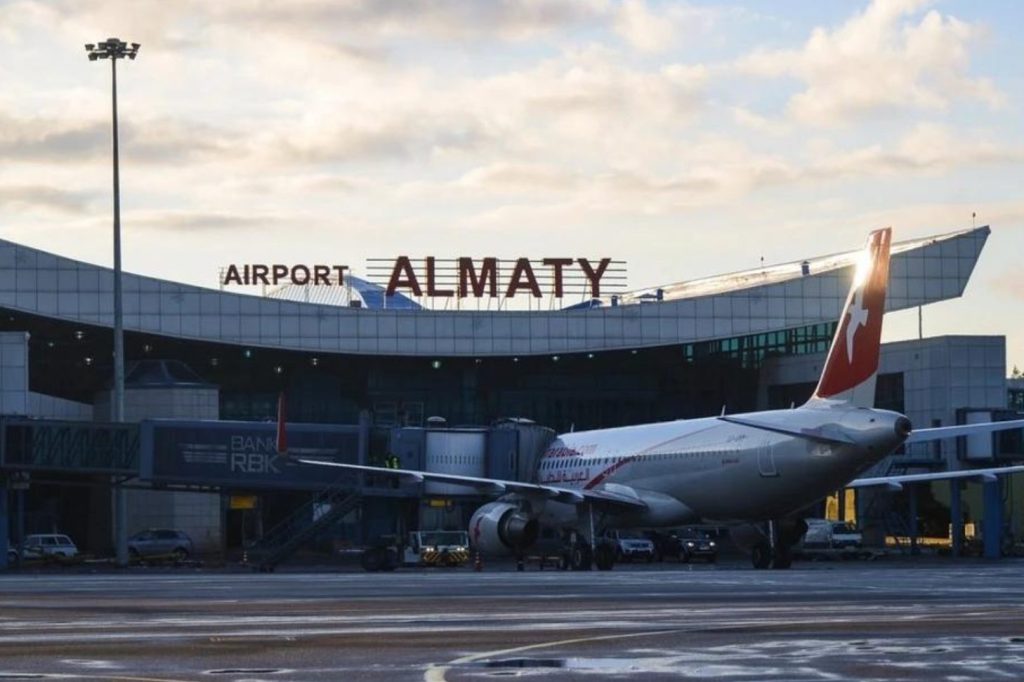
As of April 2025, AirAsia operates five flights a week between Kuala Lumpur (KUL) and Almaty (ALA), with an average flight duration of just under eight hours, offering the most convenient and affordable route between Malaysia and Kazakhstan. Citizens of Malaysia, Singapore, and most ASEAN countries enjoy visa-free entry for up to 30 days.
The Almaty International Airport (ALA) is about 25 minutes from the city centre by car or Yandex ride-hailing. Immigration is efficient, signage is clear, and taxis or Yandex cars are easy to find outside the terminal.
Travellers can also reach Almaty via major regional and Middle Eastern hubs. Qatar Airways (via Doha), Emirates (via Dubai), and Kazakhstan’s flag carrier Air Astana (via Bangkok) operate connecting flights year-round. One-stop itineraries from Kuala Lumpur typically take 10–13 hours in total travel time. Round-trip fares generally range between RM2,200 and RM3,000, though AirAsia’s direct flights often undercut that by 15–20%. Promotional fares can dip below RM2,000 during off-peak periods, especially between February and May.
Check updated AirAsia flights from Kuala Lumpur to Almaty.
Getting Around Almaty

Once you’ve landed, getting around Almaty is refreshingly simple. The city is compact, well-connected, and easy to explore with a mix of ride-hailing, public transport, and walking. Most major attractions and cafés are concentrated in or near the city centre, making short trips convenient and affordable.
Yandex Go
The easiest way to move around is with Yandex Go, Kazakhstan’s equivalent of Grab. It’s reliable, cash- or card-friendly, and available citywide. Drivers may not speak English, so it’s best to input destinations directly into the app and confirm by map. Fares within the city centre usually range from 2000–2500 KZT.
Metro & Buses
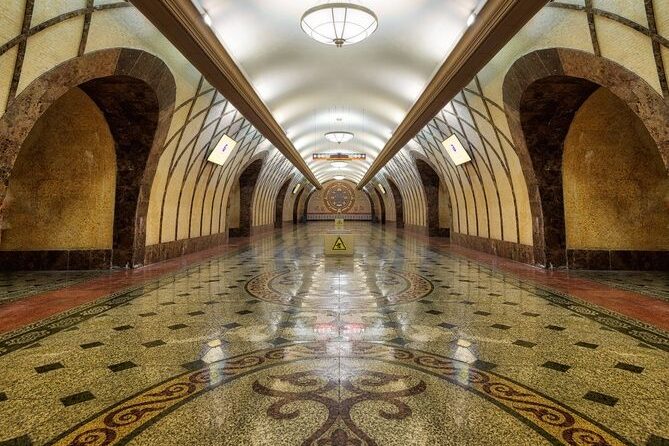
Almaty’s Metro is a point of pride: small but beautiful, with spotless stations deep underground adorned in Soviet-era mosaics. Tickets cost 120 KZT, and the ride is scenic and efficient for central routes. The bus network covers most neighbourhoods; fares are 120 KZT with a transport card or 200 KZT in cash. Buses are safe and punctual, though crowded during peak hours.
Walking & Cycling
The city’s wide boulevards and tree-lined streets make walking pleasant, especially around Panfilov Park, Arbat Street, and Dostyk Avenue. In warmer months, bike rentals and shared motorised scooters are available around the city centre and park zones, accessible through mobile apps.
Tourist Information Centres
Helpful Tourist Information Centres can be found at major attractions like Kok Tobe, the Green Bazaar, and the Almaty Museum of Arts. Staff members provide maps, directions, and insider advice that make navigating easier for first-time visitors—especially useful given the city’s limited English signage.
What to Do in Almaty
If you’re planning your own route, the Visit Almaty website is a great starting point, featuring official recommendations, local events, and curated highlights across the city and beyond.
Cultural & Historical Highlights
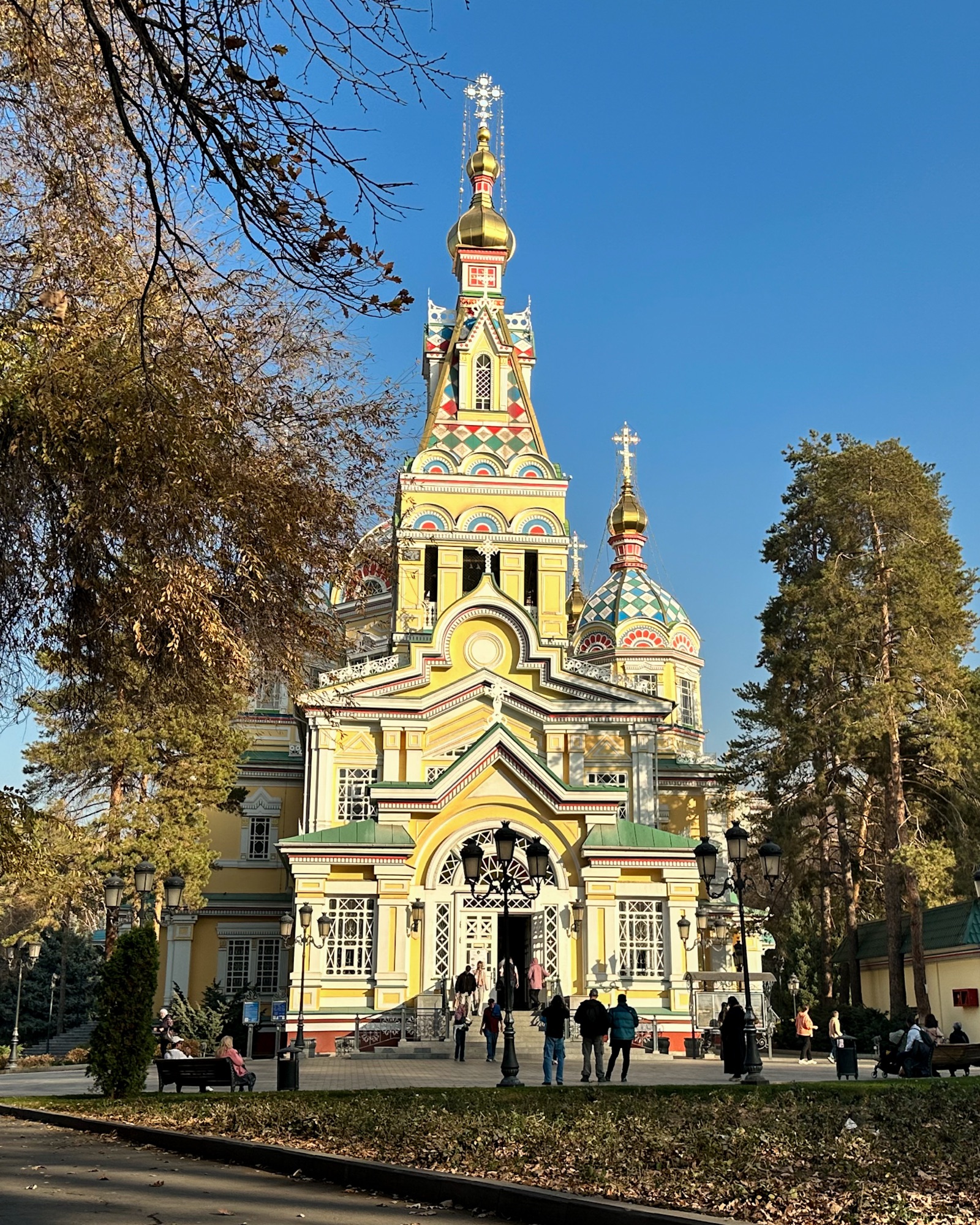
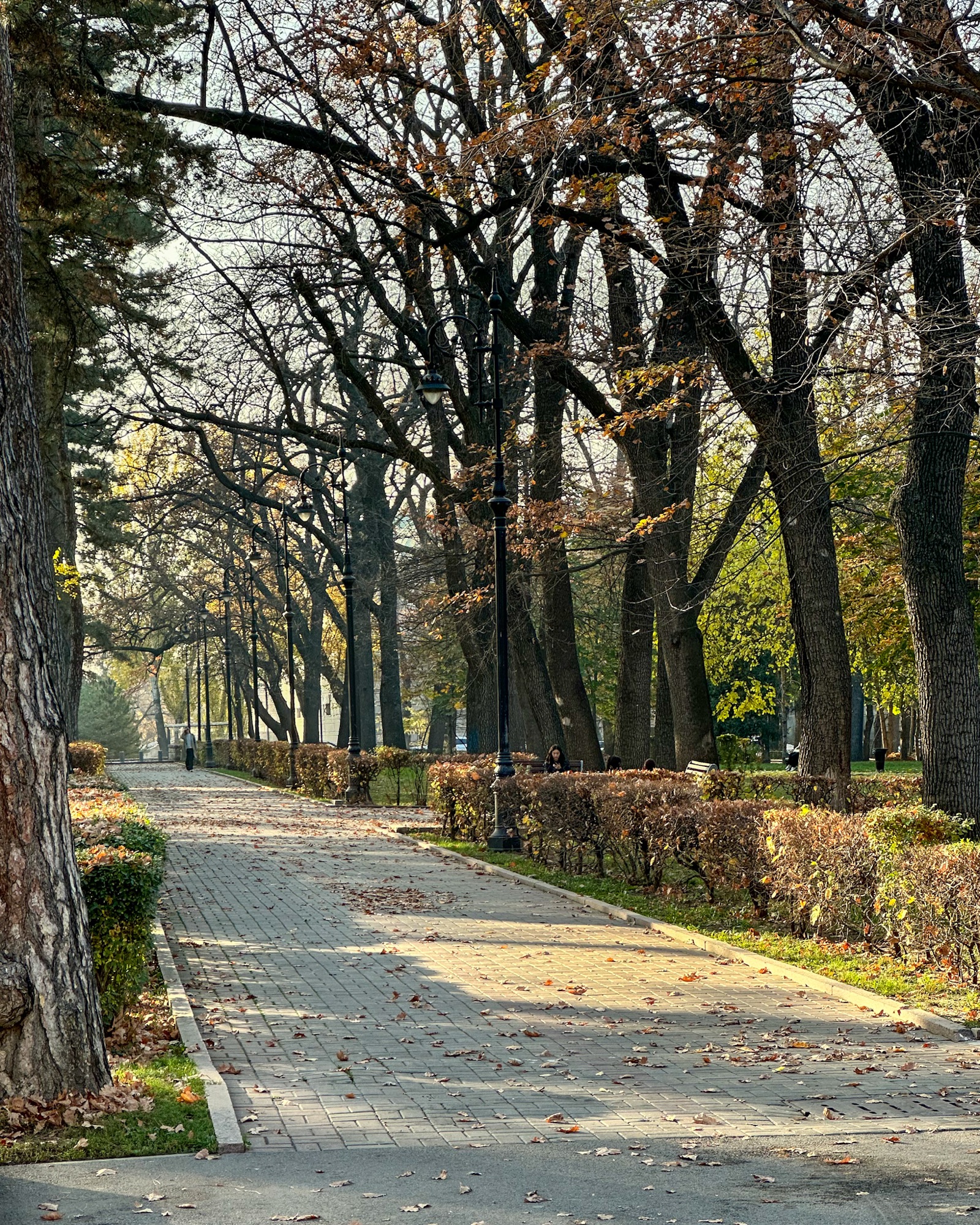
Ascension Cathedral in the Park of 28 Panfilov Guardsmen (Panfilov Park)
Almaty’s cultural identity is a blend of ancient Silk Road legacy and Soviet heritage. The Ascension Cathedral (Zenkov Cathedral) and Park of 28 Panfilov Guardsmen form the heart of the old town. It is colourful, peaceful, and shaded by leafy walkways in the golden tones of autumn. Nearby, the Museum of Folk Musical Instruments celebrates traditional dombras and kobyz.
The Central State Museum of Kazakhstan offers a deep dive into the nation’s past, from early nomadic artefacts to post-independence milestones, while the First President’s Park, with its manicured lawns and fountains, honours Nursultan Nazarbayev and offers sweeping views of the mountains.
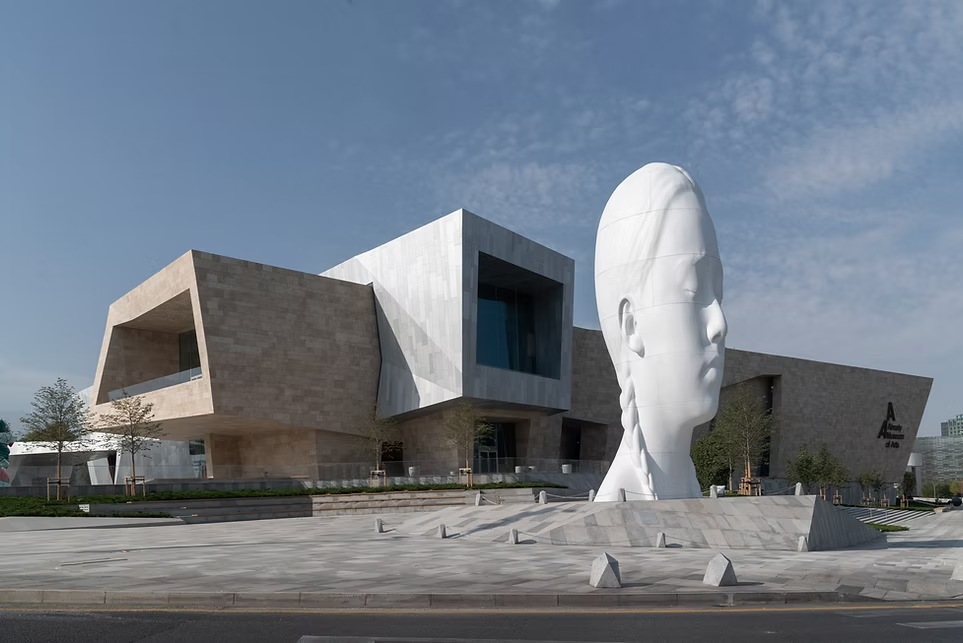
Art lovers should stop by the Almaty Museum of Arts, a sleek, contemporary space showcasing both Kazakh and international works. Its bright halls and modern design make it one of the city’s most striking new landmarks.
Scenic Viewpoints, Parks & City Life
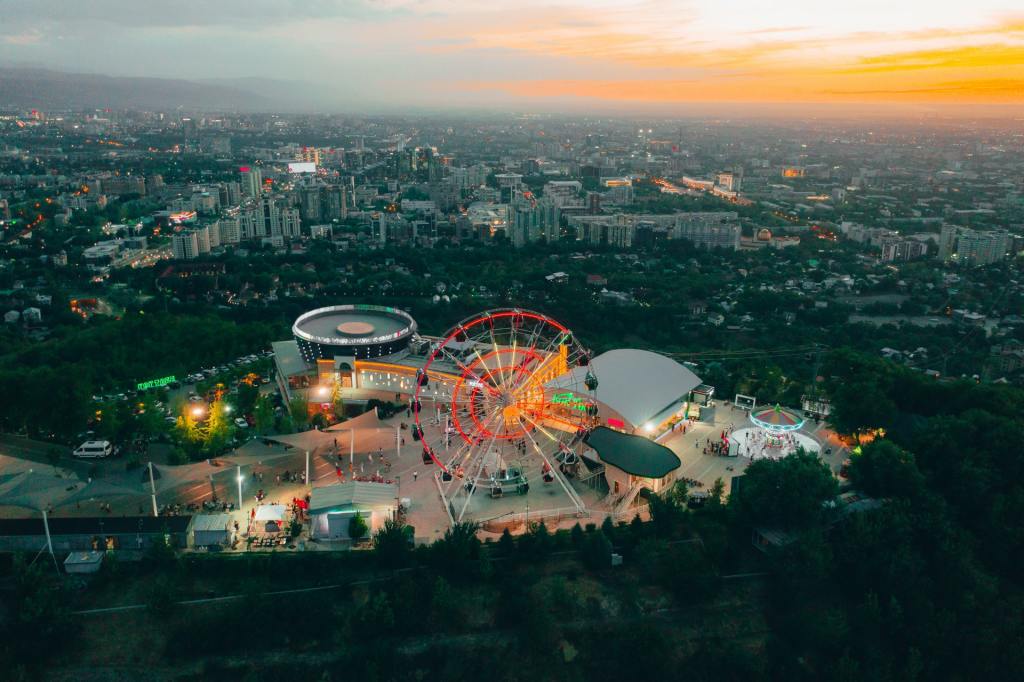
From art to altitude, a ride up the Kok Tobe cable car (or short hike up from the bus station) reveals sweeping views as the city recedes beneath mountain haze. At the summit, cafés, an amusement park, and a Ferris wheel make it family-friendly, while the Kok Tobe Tower, one of the world’s tallest TV towers, anchors Almaty’s skyline. During autumn and winter, daylight fades early—night often falls by 5pm. The city transforms quickly from gold-lit parks to glowing streets filled with traffic and Kok Tobe illuminated against the mountains.
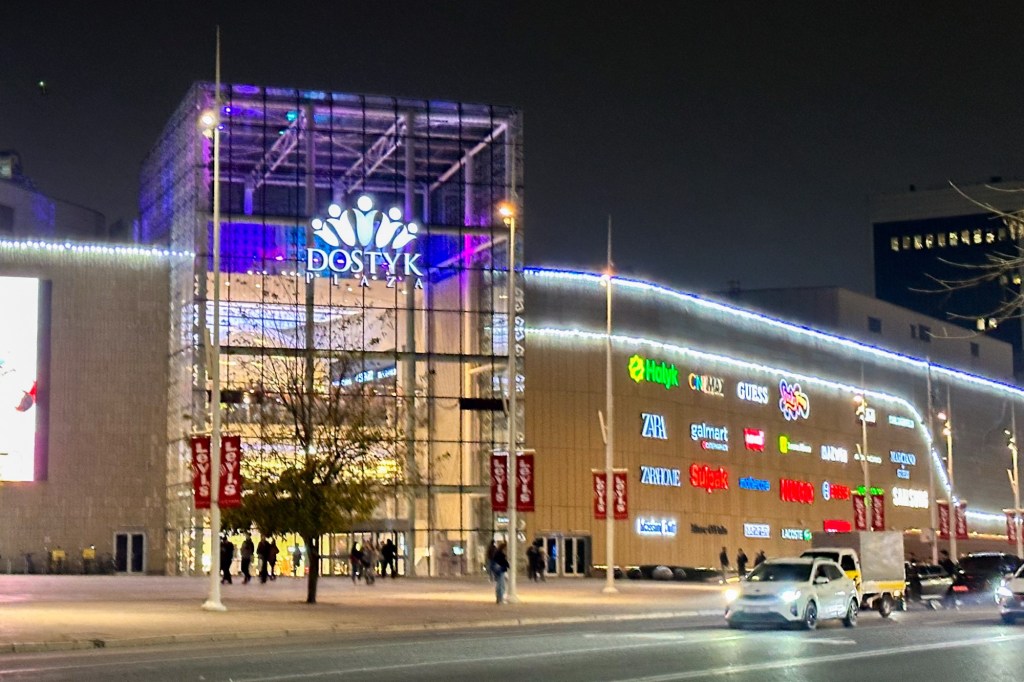
For something slower-paced, stroll along Arbat Street, a pedestrian stretch lined with cafés, art vendors, and street musicians. It’s the perfect prelude to shopping at the major malls like Dostyk Plaza or Esentai Mall, where international brands meet local design. The Almaty Botanical Gardens, a short walk from Al-Farabi Avenue, offers tranquil trails and a glimpse of local flora, especially beautiful in spring.
For a more homey experience, the Green Bazaar remains a sensory delight of spices, fruit, dried goods, and horse sausages—a glimpse into Almaty’s everyday life. Price haggling is commonplace and a welcome activity for both locals and tourists alike, and vendors are ever eager to hand out free tasters for visitors.
Around the Foothills
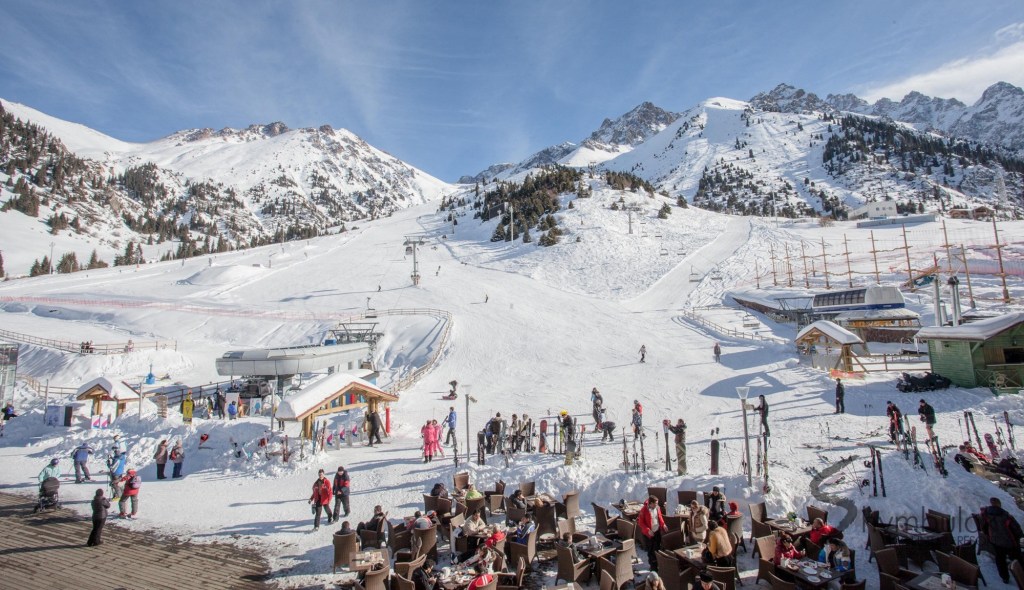
A short drive south leads to the mountains that define Almaty’s skyline. The Medeu and Shymbulak valleys are among the city’s favourite escapes. At Medeu, one of the world’s highest outdoor skating rinks sits at 1,700 metres above sea level. From there, a three-stage cable car system including open-air chairlifts ascend to Shymbulak Ski Resort, where the seasons shape the experience—green hiking trails and alpine cafés in summer, snow-covered slopes in winter with a chilly breeze.
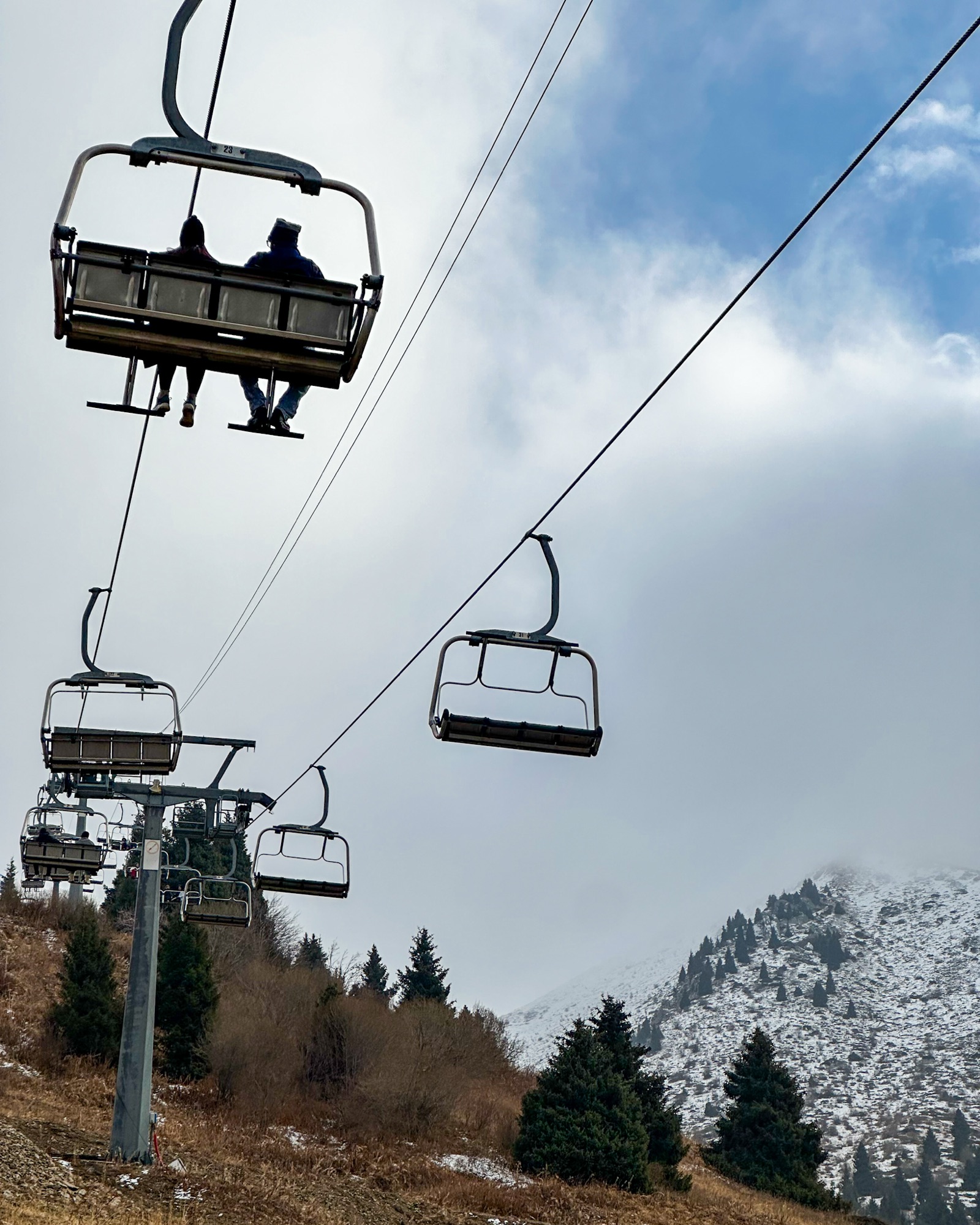
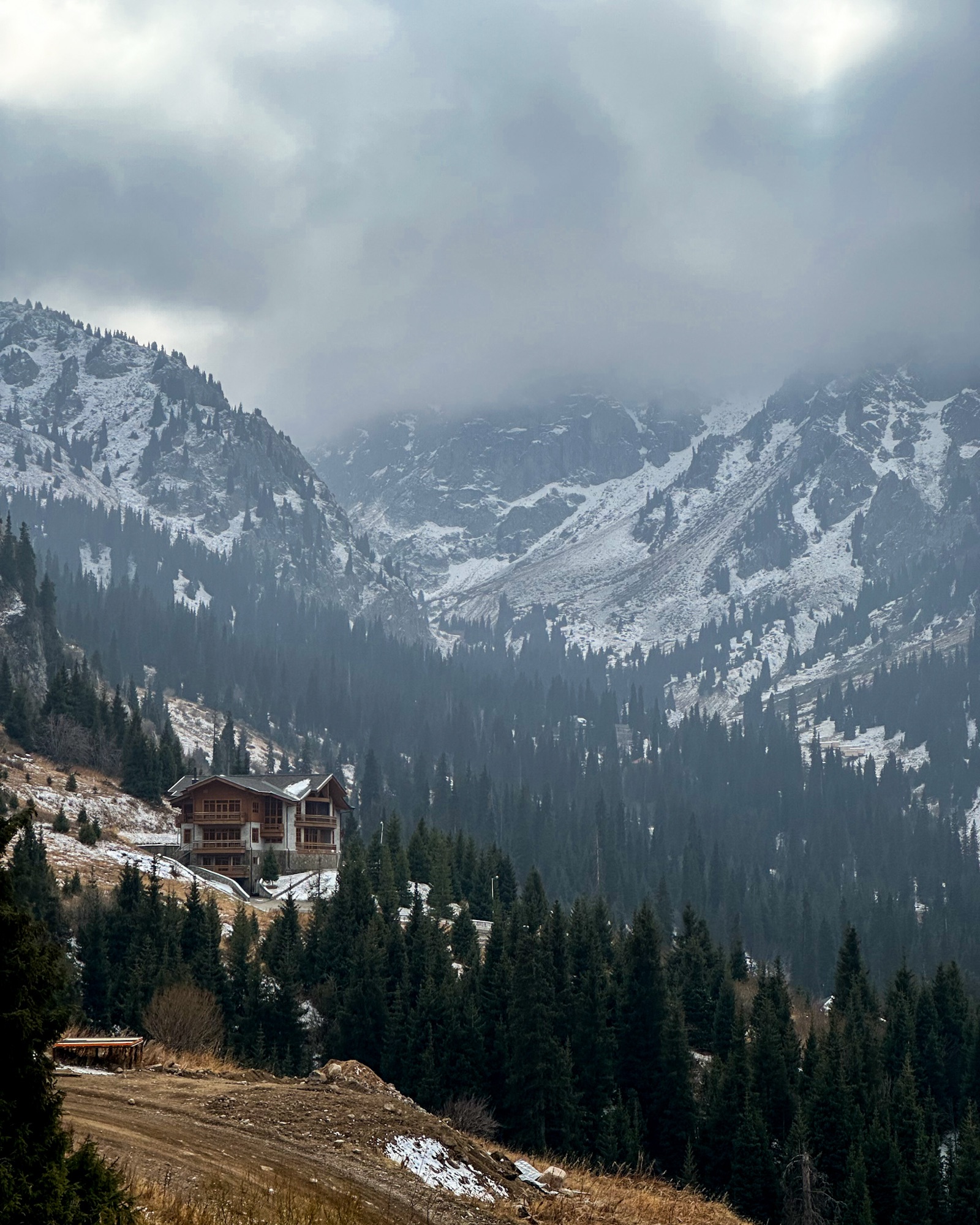
Take a Chairlift up to Shymbulak
The journey itself is worth it: pine forests, mountain air, and an eerie sense of quiet away from the bustle below. You’ll thank your courage after taking the scenic chairlift up. Many stop for lunch at AUYL, a restaurant near Medeu serving elevated neo-nomadic Kazakh cuisine with spectacular views of the valley.
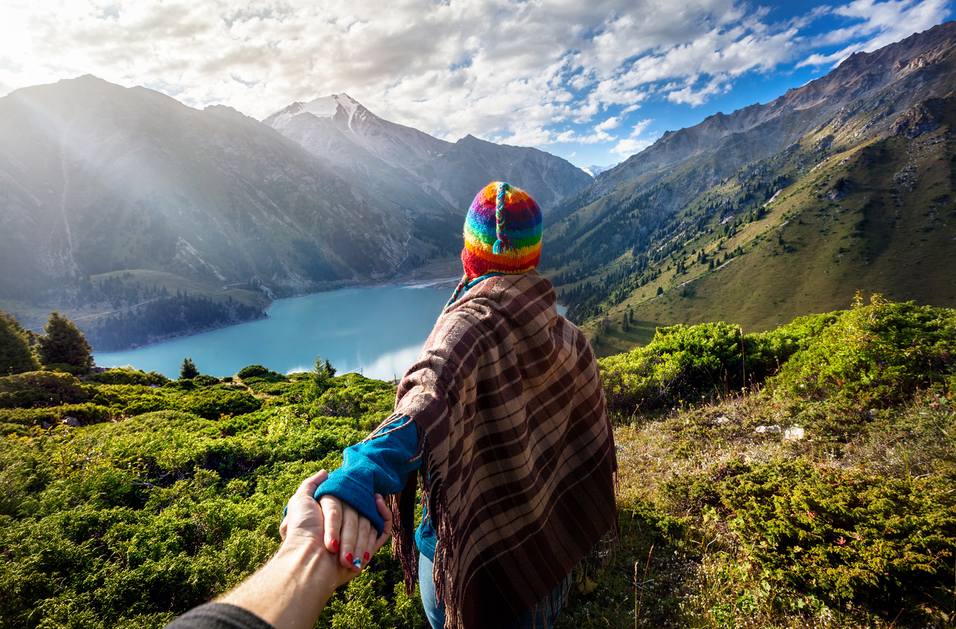
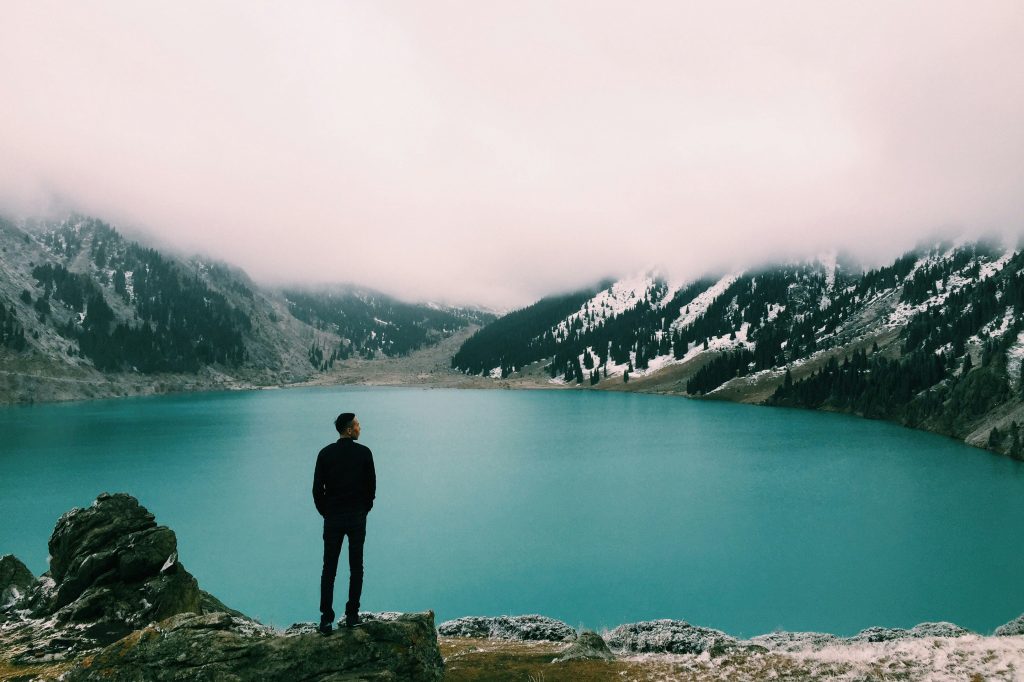
Continue further into the Ile-Alatau National Park to reach Big Almaty Lake, about 40 minutes from the city. Formed by glacial movement, the lake shimmers in shades of turquoise and steel blue as clouds pass overhead. While swimming isn’t allowed because its waters are a main source of drinking water for the city, walking trails and lookouts offer some of the region’s most breathtaking scenery. The air is crisp even in summer, and mornings bring the clearest reflections.
Beyond Almaty: Lakes & Canyons
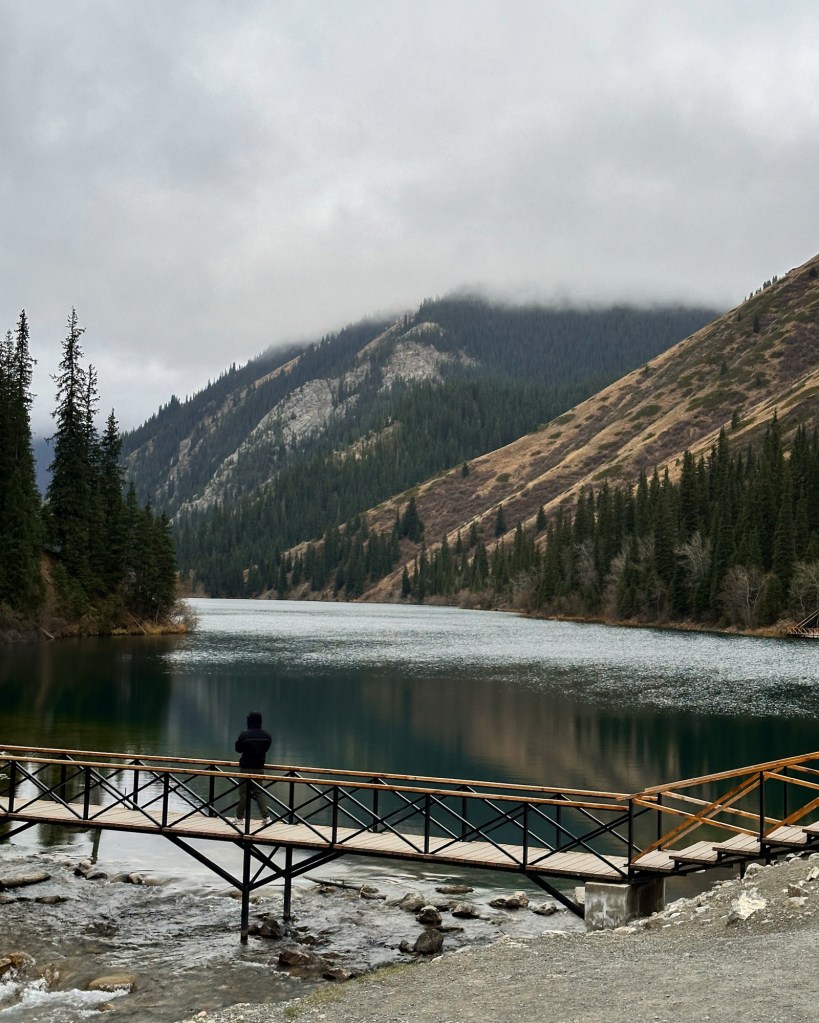
A few hours beyond the city limits, Almaty’s landscape opens up into one of the most diverse regions in Central Asia. The Kolsay Lakes and Kaindy Lake are often described as the country’s crown jewels. The drive takes about five hours through open steppe and winding mountain roads before reaching Saty village, the base for exploration.
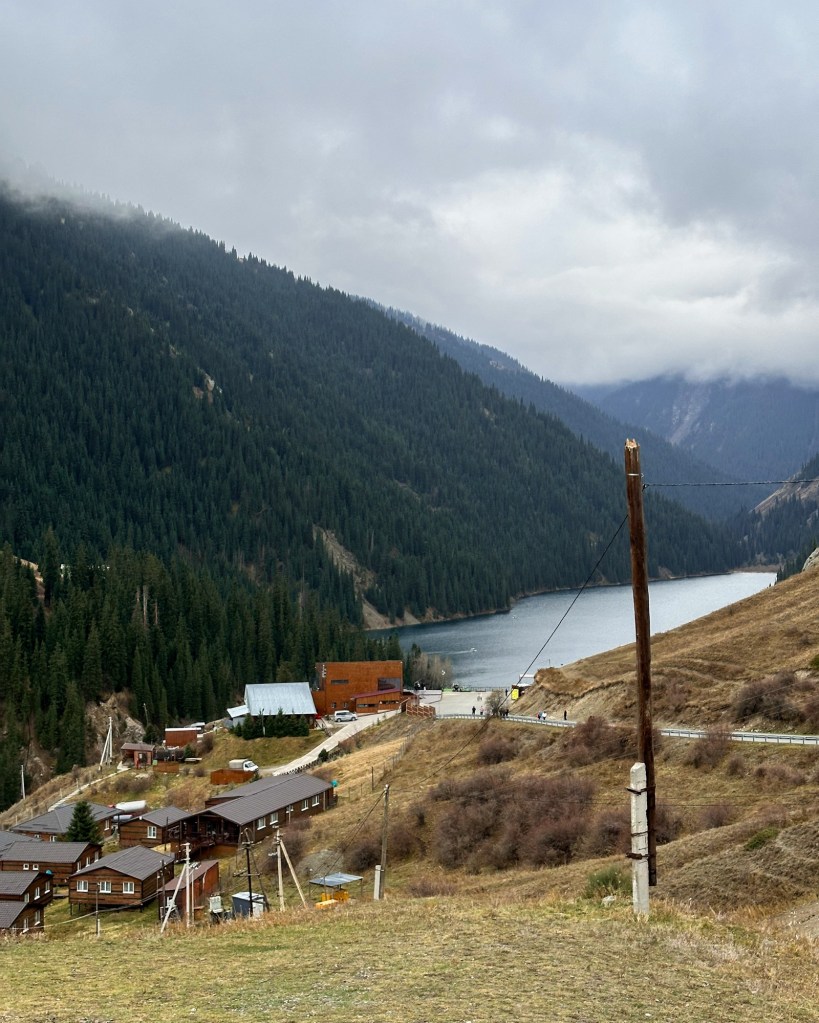
The Kolsay Lakes are three alpine lakes connected by a river formed from tectonic shifts in the late 19th to early 20th century. Each sits at a different altitude, surrounded by pine forest and peaks that glow gold in autumn and freeze solid in the winter. The lowest lake, Kolsay I, is easily reached and perfect for a picnic or gentle hike, and a hillside Tary cafe offers sweeping views of the lake.
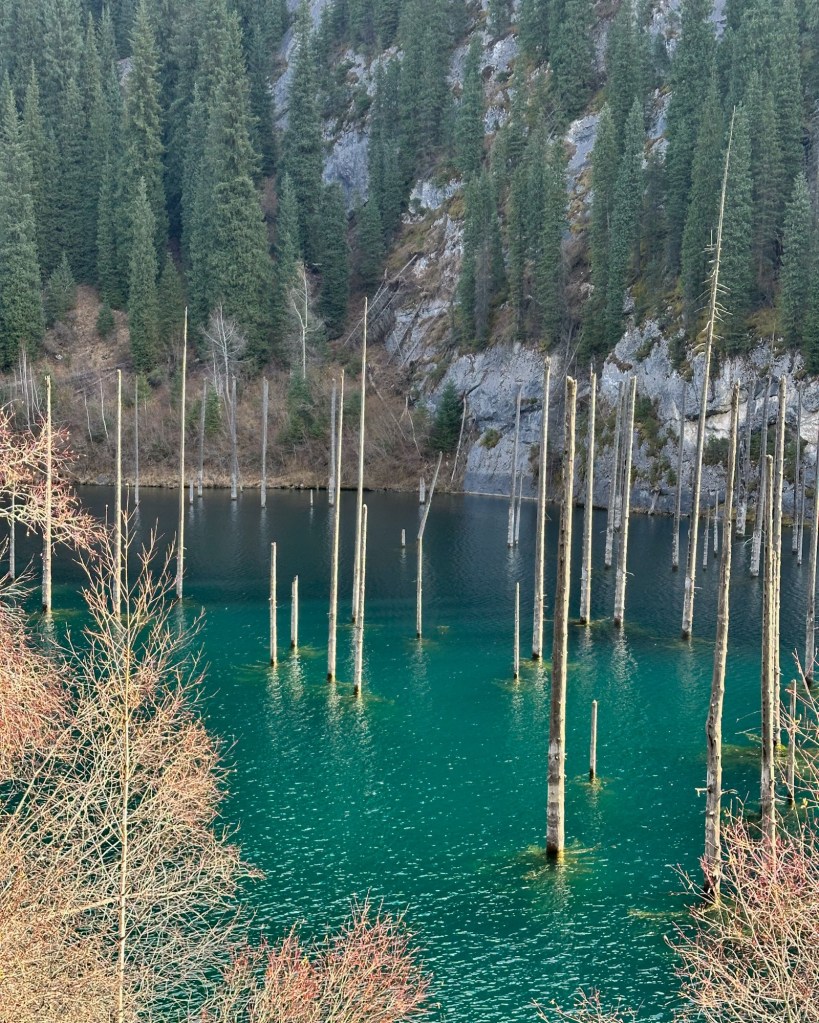
Nearby, Kaindy Lake is unlike anything else: a sunken spruce forest preserved beneath turquoise waters. Formed after a landslide triggered by the 1911 Kebin earthquake, its submerged trunks rise eerily through the surface. The lake is reached via off-road track and a short horseback ride that is worth every tenge possible through pine woods for a journey as memorable as the destination.
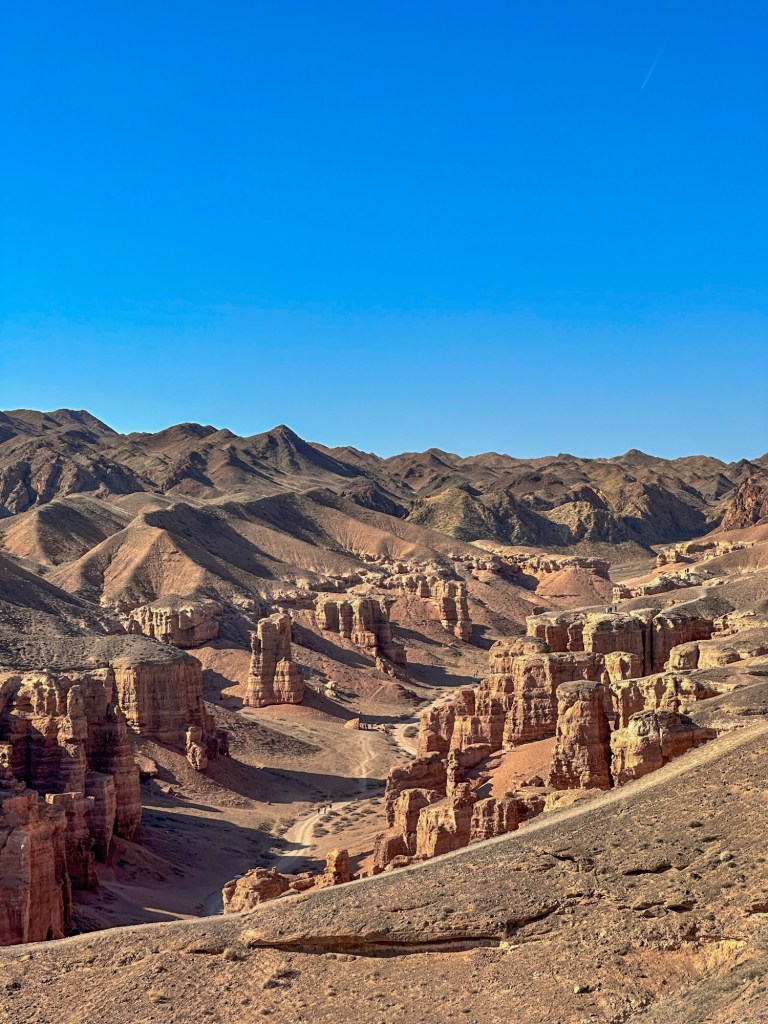
Excursions to both lakes are often paired a visit to the Charyn Canyon National Park, one of Central Asia’s most remarkable geological formations. Stretching nearly 90 kilometres along the Charyn River, its cliffs and spires date back over 12 million years. The main section, known as the Valley of Castles, glows red and ochre in the afternoon sun, while Moon Canyon and Black Canyon further up the river showcase striking variations in rock and light.
Most visitors experience these natural wonders on a tours from Almaty, staying in guesthouses at Saty village. Embark on a tour with agencies like JoinMe’s 2D1N Private Tour which includes transport, meals, and park fees—an efficient, carefree way to see all three without the stress of self-driving and planning.
The official Kazakhstan travel site also lists seasonal travel advisories.
Where (and What) to Eat in Almaty
The dining scene in Almaty and Kazakhstan as a whole is dynamic, exciting and true to its roots—no matter the elevation both literally and metaphorically. Explore the food of Kazakhstan at Visit Almaty’s Gastronomy portal.
Traditional Kazakh Cuisine
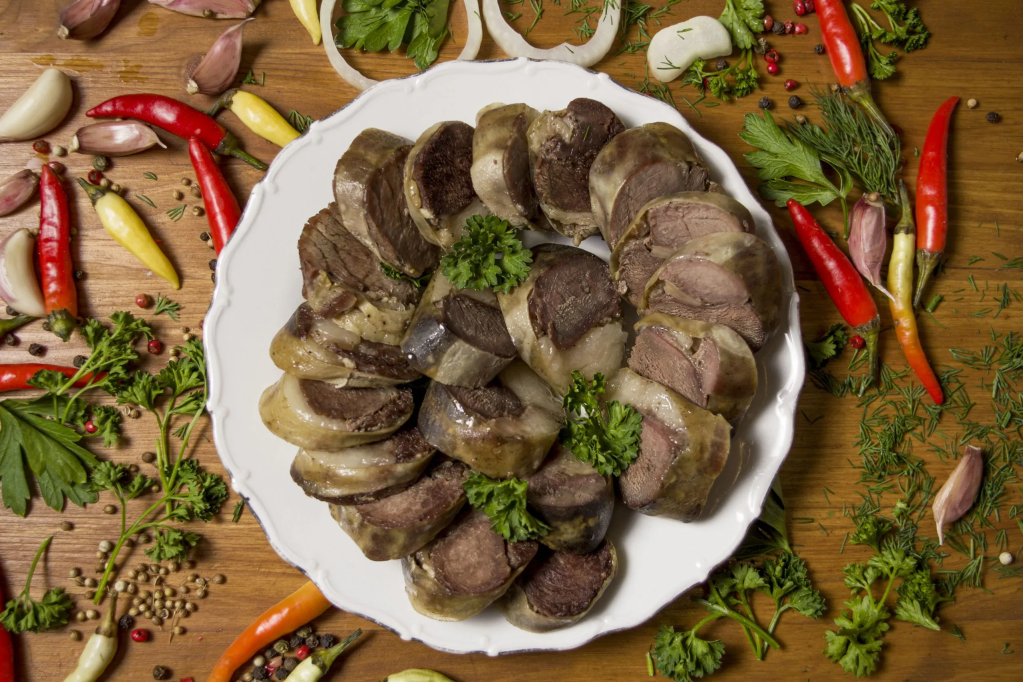
Kazakh food tells the story of its nomadic people—hearty, slow-cooked, and built for cold climates. Meals are generous and comforting, often centred around noodles, bread, and meat—most notably horse meat.
Start with beshbarmak, the national dish of Kazakhstan: flat noodles topped with boiled meat and onions in broth. Then try lagman, hand-pulled noodles with a savoury sauce of beef, peppers, and tomatoes; plov, the region’s aromatic rice pilaf; and manti, large steamed dumplings filled with beef and pumpkin, best enjoyed with sour cream. The more adventurous must try a serving of kazy, horse meat sausages with both lean muscle and fat, served hot or cold.
Modern Dining & International Spots
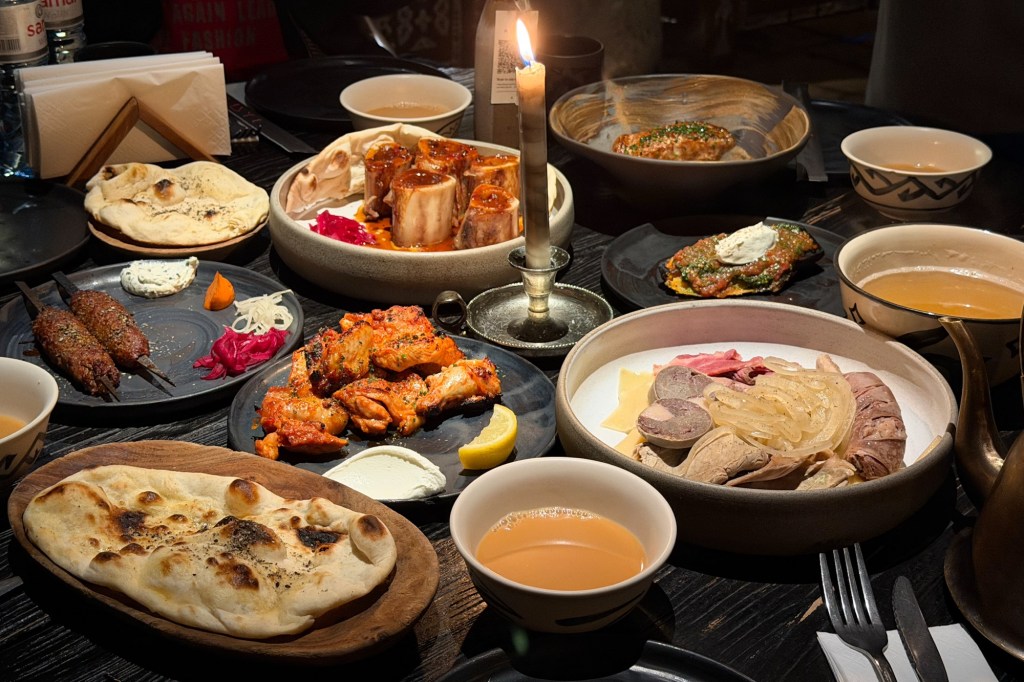
For an authentic introduction, visit Navat, known for rustic interiors and hearty portions, or Gakku, which serves traditional Kazakh and Uzbek dishes. Near Medeu, the award-winning AUYL (The World’s 50 Best Discovery 2024) reimagines these classics with mountain views and contemporary flair.
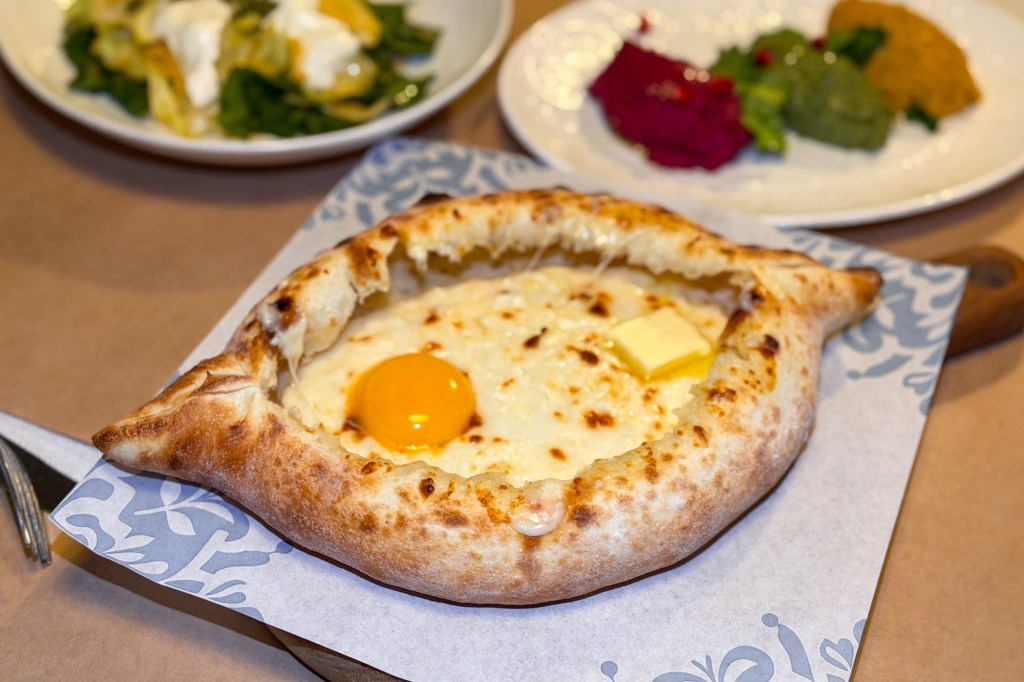
Almaty’s dining scene blends tradition with global influence. Line Brew serves excellent steaks in a medieval-style setting, while Ocean Basket offers seafood favourites with Central Asian flair. For something refined, try Alasha, which combines Uzbek hospitality and architecture with modern presentation. Daredzhani, a Georgian restaurant beloved by locals, is a must for its khachapuri and slow-cooked meats paired with Georgian wines.
Cafés & Coffee Culture
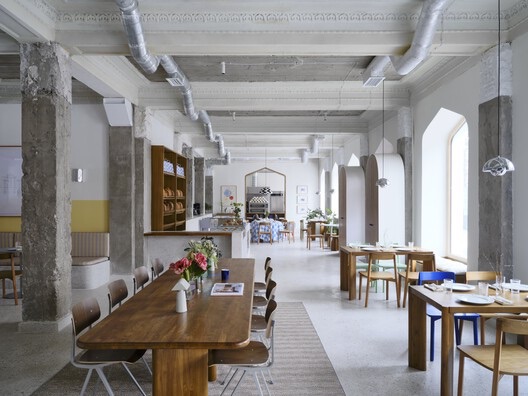
Almaty’s café culture thrives on warmth and creativity. Fika Coffee, Agosto Coffee, and Jel Coffee draw crowds for brunch and pastries, while Nedelka feels like visiting a friend’s home—known for its homely desserts and lived-in charm. Dining outdoors in Almaty is a novelty for Southeast Asians. Evenings can be crisp well into autumn, and there’s something comforting about sitting around beautiful fireplaces or wrapped in a coat with a hot drink or a bowl of soup. Just note that food cools quickly in the mountain air so eat fast, and order it piping hot.
Markets & Everyday Shopping
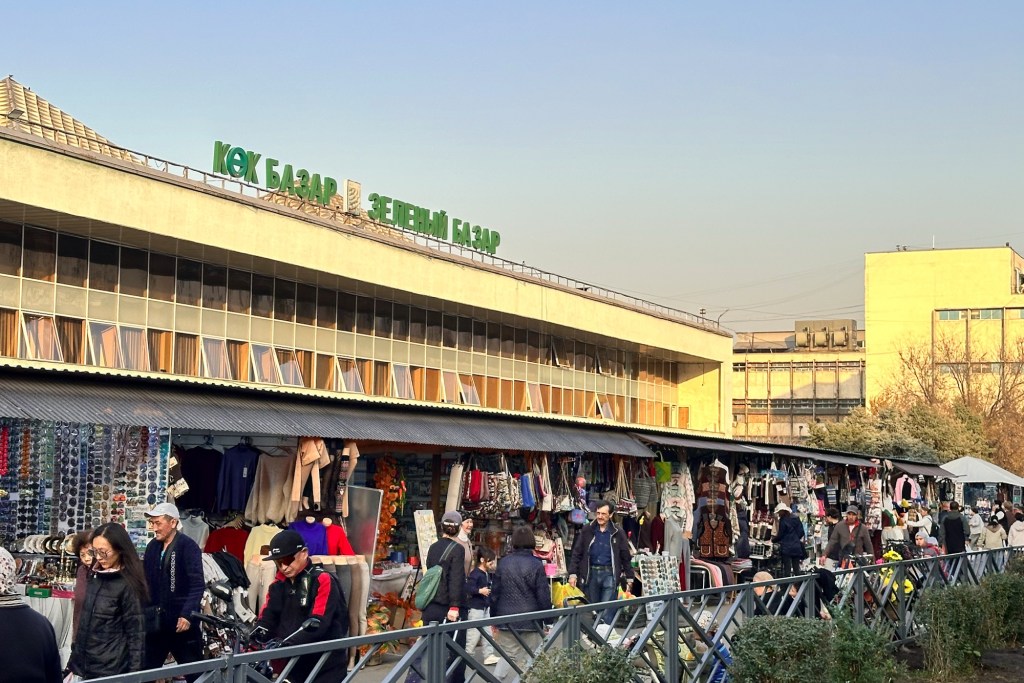
To experience local life, stop by Galmart or Magnum, Almaty’s modern supermarkets stocked with local dairy, honey, and dried fruits. You may be surprised at the sheer variety of cheeses, sausages and even milk packaging they have. The Green Bazaar offers a more local food shopping experience, where stalls sell everything from homemade pickles and horse meat to traditional sweets—a great place to gather edible souvenirs. There’s also no shortage of convenience stores in the city, most notably the Korean chain CU Mart.
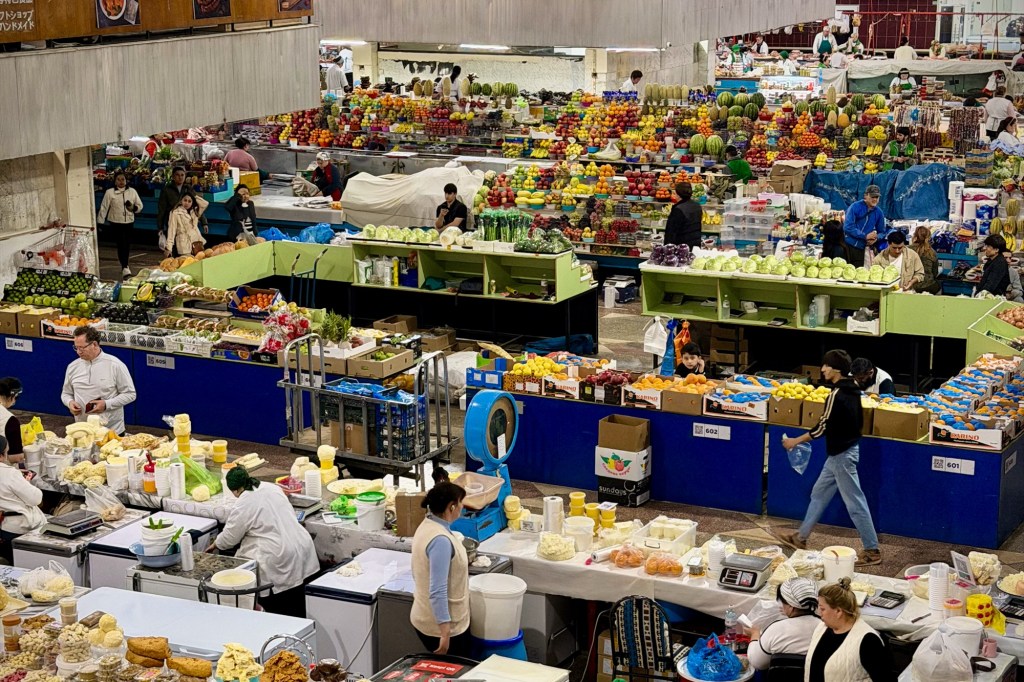
For quick bites, try samsa (baked pastry stuffed with lamb or pumpkin), baursak (fried dough served with tea), or kurt (salty dried cheese balls found in markets). End the day like a local—with a pot of black tea, something sweet, and the scent of pine drifting from the hills. Kazakh-style tea at restaurants and cafes is served as a light, milky beverage that is slightly sweetened and reminiscent of a Malaysian Teh C.
Where to Stay in Almaty
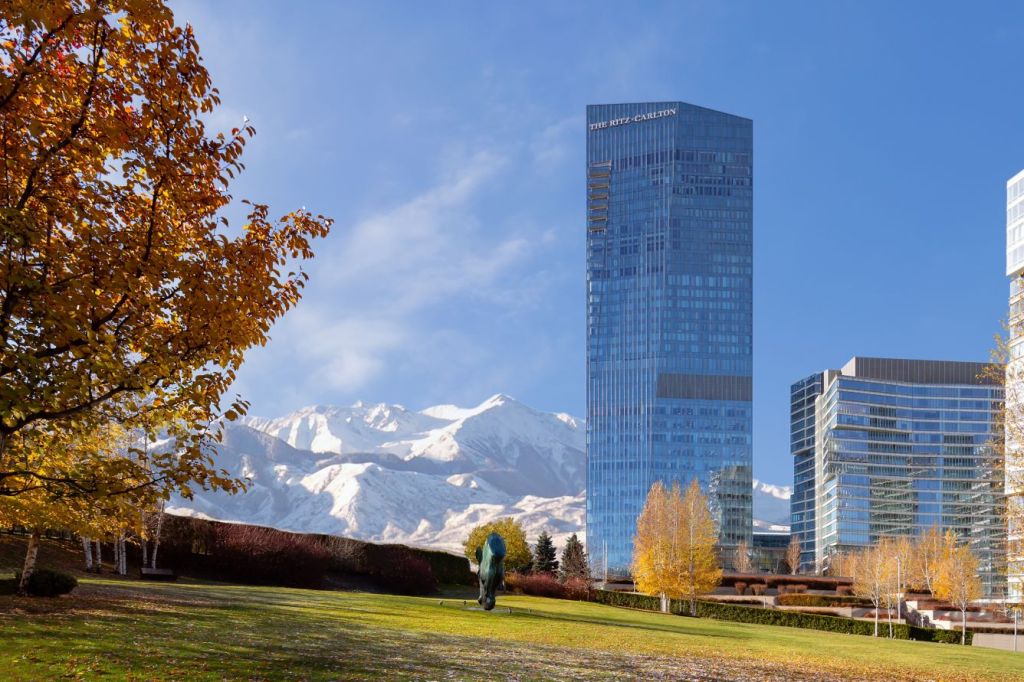
Whether you’re seeking a sleek city base or a quiet mountain hideaway, Almaty’s accommodations cover both ends of the experience. The Ritz-Carlton, Almaty, housed in Esentai Tower, delivers expansive views, an indoor pool, and direct access to Esentai Mall for luxury shopping. Rixos Almaty offers classic grandeur and a full-service spa, while Novotel Almaty City Center provides contemporary comfort at a friendly rate.
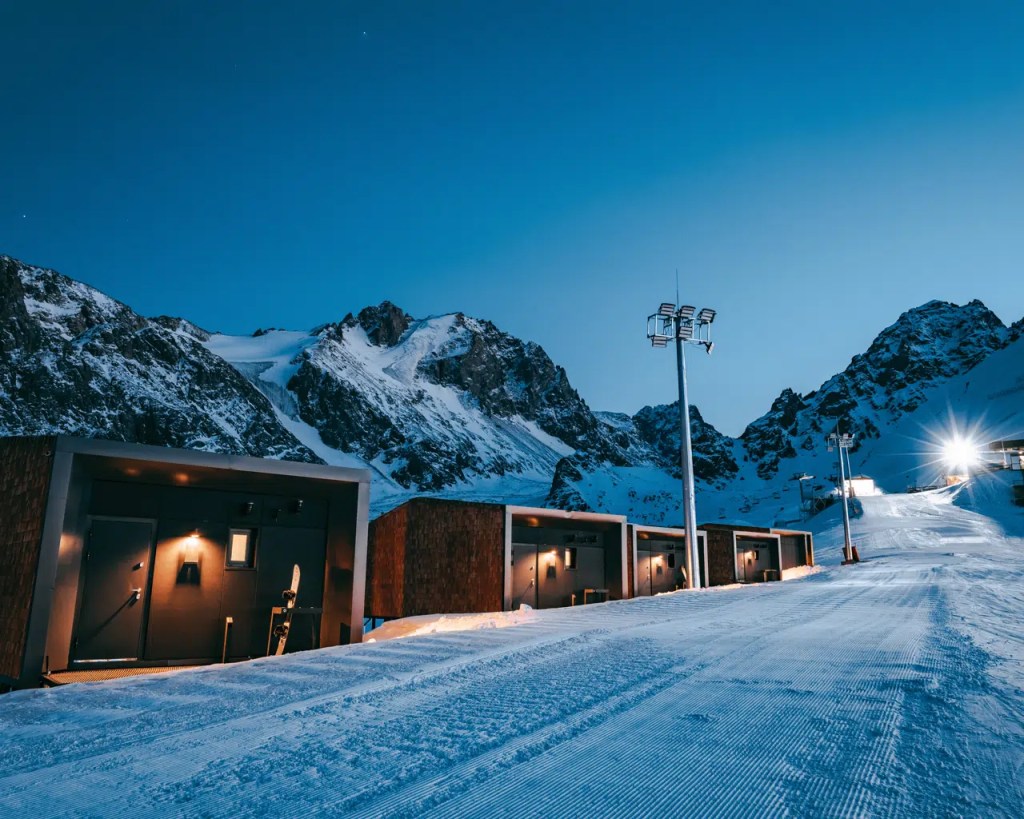
Nature lovers can stay near Medeu and Shymbulak, where Tenir Eco Hotel features wood chalets with saunas and hiking trails. Shymbulak Resort Hotel grants direct access to ski lifts—ideal for winter. Blizzards in the deep winter can be brutal so it would be ideal to stock up on hot beverages and snacks for when you’re snowed in. Travellers extending their trip to the lakes can stay in guesthouses at Saty village, known for their warm hospitality and home-cooked meals.
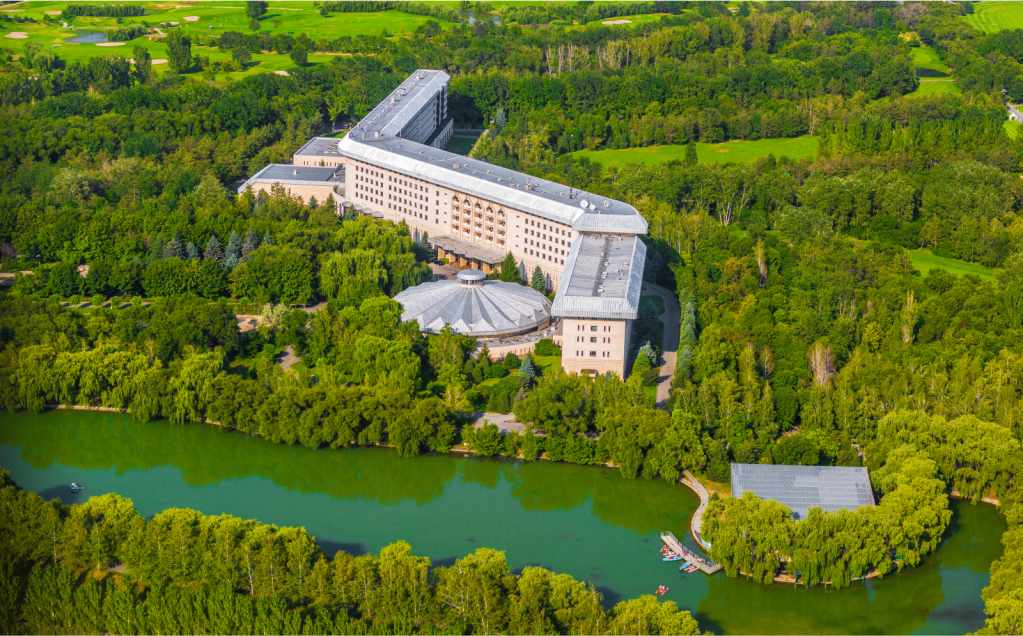
For privacy and serenity, Swissotel Wellness Resort Alatau Almaty sits on a wooded hillside, perfect for slow mornings set against picturesque mountain views and its in house Purovel Spa is top-notch. The sprawling property is also home to beautiful pines, willows and birch trees that are blanketed in snow during the winter.
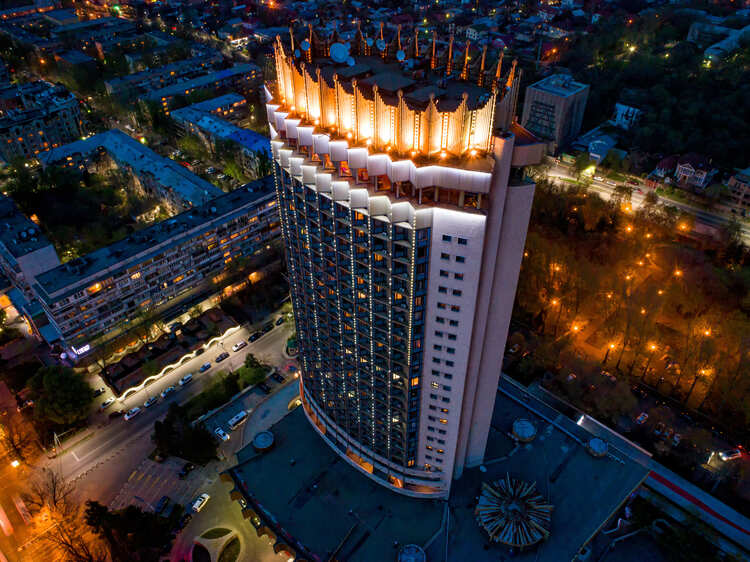
Travellers looking for mid-range comfort will find Hotel Kazakhstan, one of the city’s enduring landmarks with panoramic views and retro charm, and DoubleTree by Hilton Almaty, which offers modern amenities, spacious rooms, and convenient proximity to Panfilov Park and key attractions.
Those seeking a more local experience can find well-priced Airbnb stays across the city, often in modern high-rises near Gagarin Avenue, Dostyk Avenue or Panfilov Park. Many feature heating, kitchenettes, and mountain views—ideal for longer stays or travellers who prefer the comfort of home.
Before You Go — Travel Essentials
Visa: Malaysia, Singapore, and most ASEAN citizens can stay visa-free for up to 30 days.
Currency: Kazakhstani tenge (KZT). Most places accept cards, but rural areas are cash-based. Malaysian exchanges rarely carry KZT, and Kazakhstani ones don’t usually take MYR. Convert MYR to USD before travelling, then exchange USD to KZT on arrival. Some exchanges list MYR, but availability varies.
Transport: Yandex Go is the local equivalent of Grab. Bus fares cost 120 KZT with a transport card or 200 KZT in cash. Public toilets at attractions often charge 100 KZT. The metro is clean and efficient; taxis and private tours are ideal for single- or multi-day trips.
Language & Etiquette: Kazakh and Russian are widely spoken, and English is limited. Some restaurants offer bilingual menus, but translation apps help. Locals are reserved—don’t expect many smiles, but service is dependable.
Connectivity: Local SIMs from Beeline, Tele2, or Kcell offer strong data coverage, and travellers can conveniently pre-purchase an eSIM before departure for instant activation on arrival.
Safety: Almaty is one of Central Asia’s safest cities. Crime is low, and locals are helpful when approached politely.
Climate & Customs: Almaty’s temperature fluctuates sharply between day and night, even in summer. Dress in layers and carry a light jacket after sunset. Tap water is safe to boil for tea but not advisable to drink straight. Some cafes and grocery stores open till midnight, ideal for midnight munchies.
Best Time to Visit:
- Spring (April–June): Mild, green, and perfect for exploring the city parks and nearby foothills. Flowers bloom across the valley, and daytime temperatures hover around 20°C—ideal for first-time visitors.
- Summer (July–August): Warm, lively, and the best season for lake and canyon trips. Expect daytime highs between 25–30°C with long daylight hours, making it ideal for photography and outdoor dining.
- Autumn (September–October): Crisp, golden, and photogenic. Days grow shorter toward the end of the season, with nightfall around 5pm, giving the city a different vibe and atmosphere.
- Winter (November–February): Snow sports and serene city scenes. Early sunsets make mornings ideal for excursions, while evenings are best spent with warm meals or tea.
The Spirit of Almaty

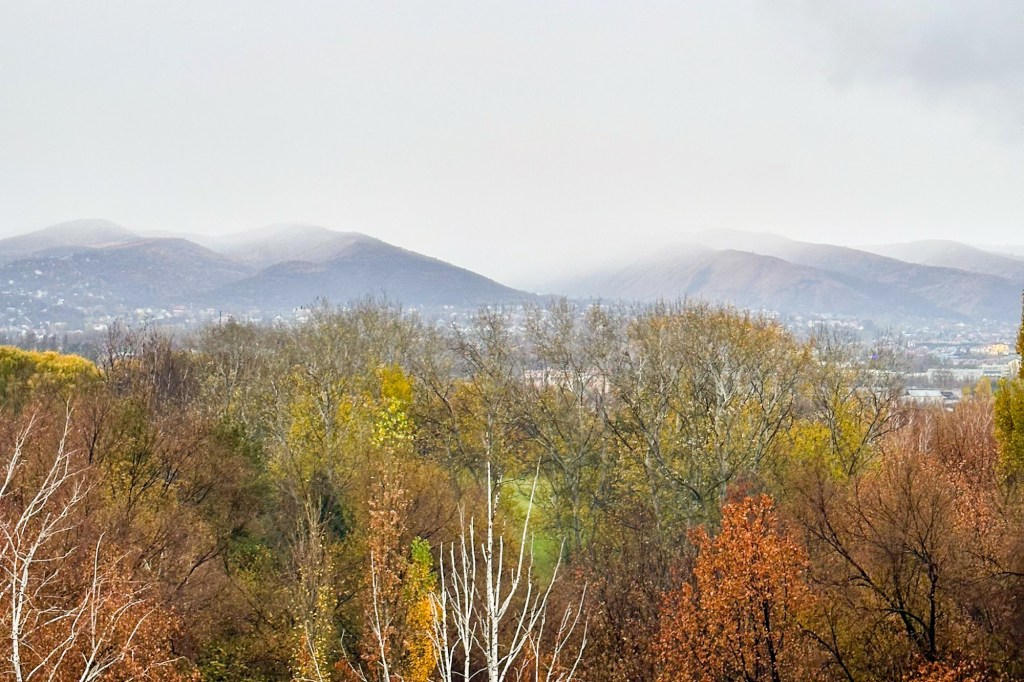
Almaty rewards curiosity. It has the outdoor drama of a mountain escape with the comfort of a modern city. Whether hiking by turquoise lakes in summer or catching the first snow in winter, the experience feels genuine and refreshingly untouristed.
What makes Almaty remarkable is its incredible value—from mountain tours to fine hotels, prices remain accessible compared to most destinations of similar beauty. Yet its tourism industry is still young and evolving, which is part of its charm. Infrastructure is solid, but experiences can feel raw and personal rather than polished. The biggest challenge for visitors remains the language barrier, though it’s easily navigated with translation apps, patience, and a smile.
For those seeking somewhere new yet easy to love, Almaty is where adventure, affordability, and authenticity meet.
From the table to the world beyond, Nacre brings you dining, travel, and lifestyle experiences worth savouring. Explore more with us on Instagram (@nacre.asia).

 Nacre.
Leave a comment