

The way we eat is changing. Across Asia Pacific, the dining landscape is undergoing a quiet but certain transformation. The Future of Food 2026 study by Marriott International charts how diners today are drawn less to spectacle and more to sincerity—preferring food that comforts, connects, and reflects a sense of place. In Malaysia, this shift is particularly distinct, where familiarity and craftsmanship are becoming the new hallmarks of refinement.
The report surveyed over 270 hotels across 20 markets and revealed a clear trend: comfort is the new luxury. Across the region, 59% of guests prefer casual dining over formal service, while 53% choose à la carte menus instead of lengthy tasting courses. Diners are increasingly seeking experiences that feel approachable yet precise—meals that blend fine-dining technique with the warmth of everyday food.
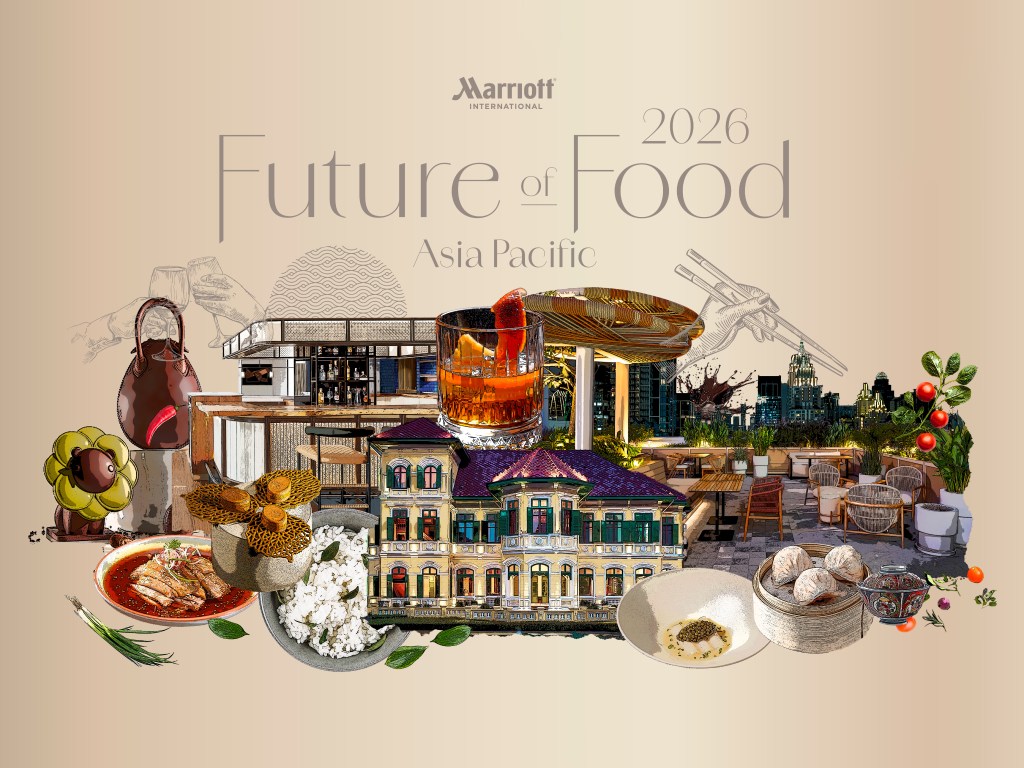
In Malaysia, the movement has already taken shape, with more than two-thirds of diners now choose local cuisine over international fare, for example more people order mee mamak goreng at a poolside bar over steak frites. We also lead in embracing local sourcing, with 85% percent of Malaysian hotels working closely with local growers and farms to feature native ingredients, and 74% still prepare traditional recipes using traditional methods but with modern presentations or finishing touches.
The report also highlights how sustainability has become inseparable from modern dining. Across the region, 63% of menus now include sustainable food concepts such as zero-waste dishes and farm-to-table offerings. You may be surprised that diners are the ones driving this change: 3 in 4 guests ask about ingredient provenance, and more than half enquire about sustainability practices. In Malaysia, that awareness extends beyond ingredients to decision making and the experiences. Today, almost every hotel manages bookings digitally, and a vast majority of guests rely on social media recommendations when choosing where to dine. Ask yourselves this: How often do I look up the “tagged” section of a restaurant’s Instagram page or for video “reviews” on TikTok?
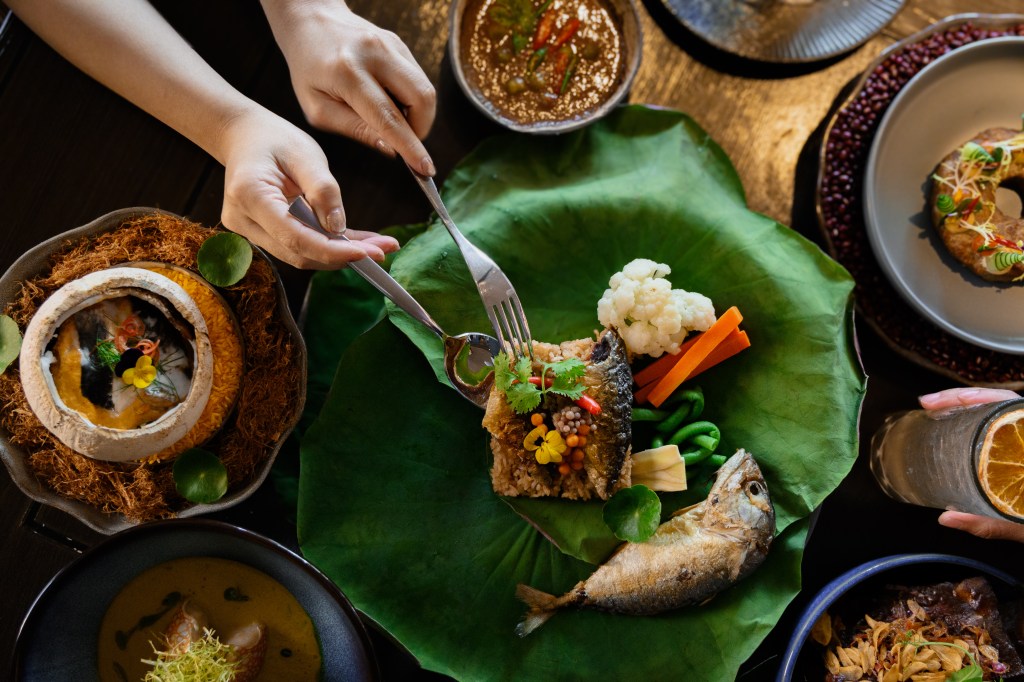
The data reflects a broader evolution in taste. Dining has shifted from performance to purpose, from imported to local, and from the idea of luxury as distance to one defined by familiarity. The future of food is familiar. The study suggests that fine dining and casual dining are converging into a new middle ground, a hybrid experience that values authenticity, emotional connection, and technical craft in equal measure; especially considering 74% of Malaysian diners opt for quick and casual meals even at top-tier properties.
Comfort with A Conscience
Across the region, provenance has emerged as a mark of distinction. Over time, guests have become more aware of the diversity and quality of local produce, and chefs are rediscovering traditional ingredients—from fermented sauces to indigenous herbs—and treating them with the respect once reserved for imported or “exotic” delicacies. We have fostered a collective sense of pride for the Malaysian terroir, exemplified by the country’s most famous and popular restaurants, such as Chef Darren Teoh’s Dewakan, spotlighting ingredients like kulim and ketumpang air. The report calls this “the future larder,” where heritage and biodiversity shape the menus of tomorrow.

The Future of Food 2026 also spotlights sustainability and community as defining values of modern dining. That awareness was mirrored in the event’s Sustainable Marketplace, held alongside the Flavours of the Forgotten dinner. The showcase brought together local producers and collaborators such as BoomGrow, Brotani, WonderBrew, Limelight, Korte × Hétam+, Cream & Culture, and Picha Eats, each presenting their vision of responsible sourcing and contemporary regional craft.
Flavours of the Forgotten
Every facet of the report was reflected recently in Flavours of the Forgotten, an immersive dinner experience at The St. Regis Kuala Lumpur that served as Malaysia’s introduction to the Future of Food 2026 findings. The evening explored how familiar flavours can achieve the sophistication of fine dining when treated with care.


Amuse-Bouche & Seafood Singgang with Oscietra Caviar, Flavours of The Forgotten
Designed by Executive Chef Nor Azizi in collaboration with BoomGrow, the menu wove Malaysia’s nearly forgotten greens—ulam raja, daun kaduk, daun pegaga, kerdas—into six considered courses that rival the best of cuisine. The experience began with four delicate amuse-bouches: crab kerabu with ulam raja caviar, seafood singgang topped with Oscietra caviar served in a seashell, smoked duck with urap daun pegaga on a savoury sable, and a Cameron Highlands tomato glazed in five spice and cocoa butter.

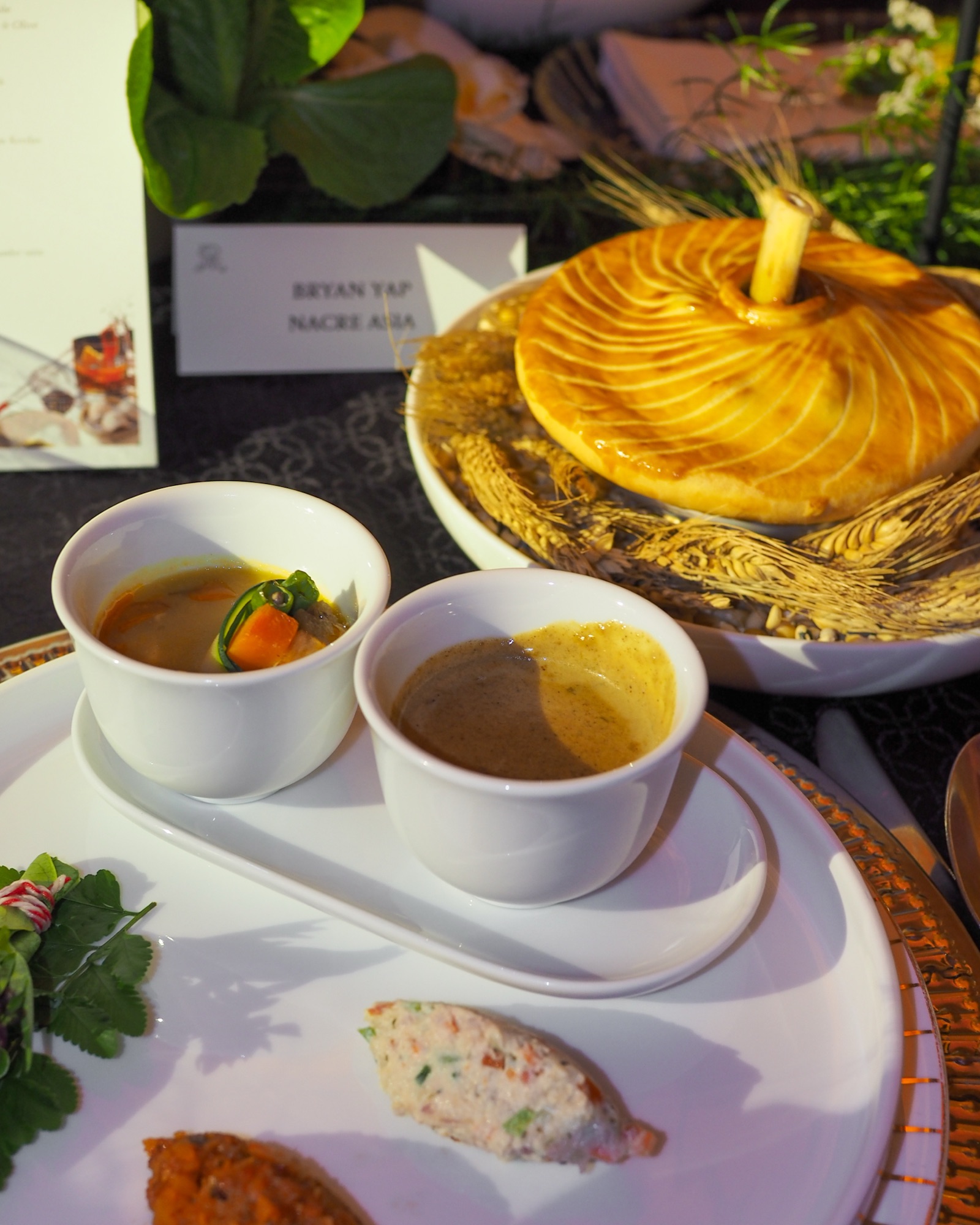
Scallop Pais Kelapa & Lamb Shank Biryani, Flavours of The Forgotten
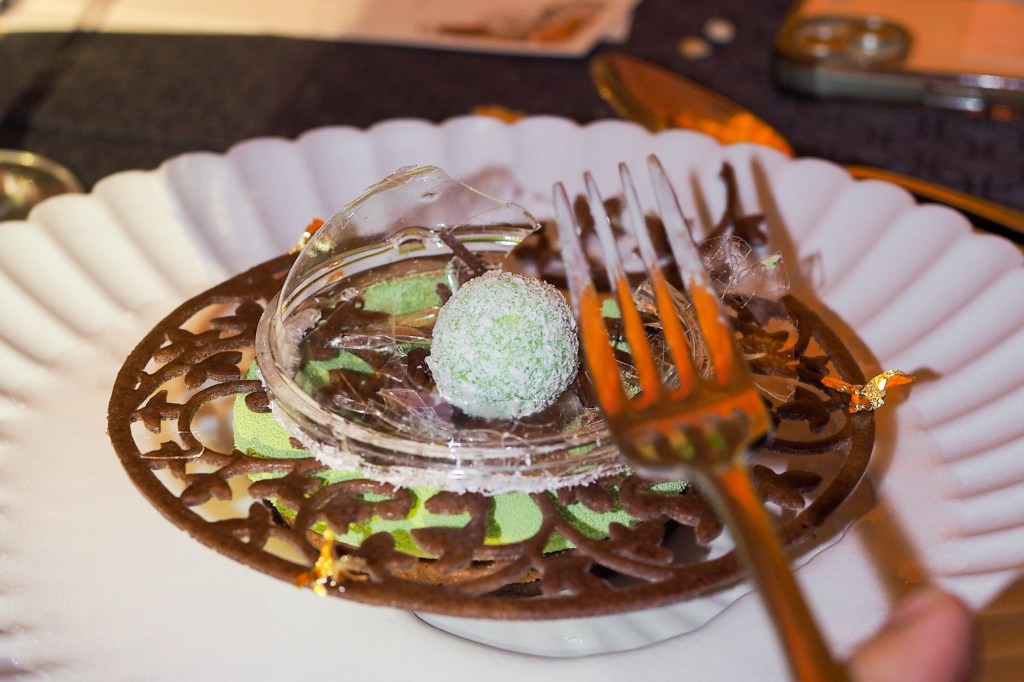
The sup ekor, rich and savoury, with turmeric potato “flowers” and chilli oil, was both familiar and luxurious. A scallop pais kelapa followed, fragrant with coconut and daun kaduk, before a biryani lamb shank served with vegetable dalca and cucumber raita became the heart of the meal. Dessert, a modern onde-onde mousse with roasted coconut and gula melaka, distilled nostalgia into elegance. Each course carried the precision and presentation of fine dining but spoke the language of every day comfort, embodying the report’s findings that the most memorable meals are those that feel familiar. We are more likely to enjoy flavours we know than ones we don’t.
The Future of Dining in Malaysia
Malaysia’s dining scene is now in an era that increasingly values care over extravagance. From high-end hotels to independent kitchens, chefs are learning that emotional connection can be as powerful as technique. Dishes once considered humble are being reconstructed with finesse, and historical origins are central to presentation.
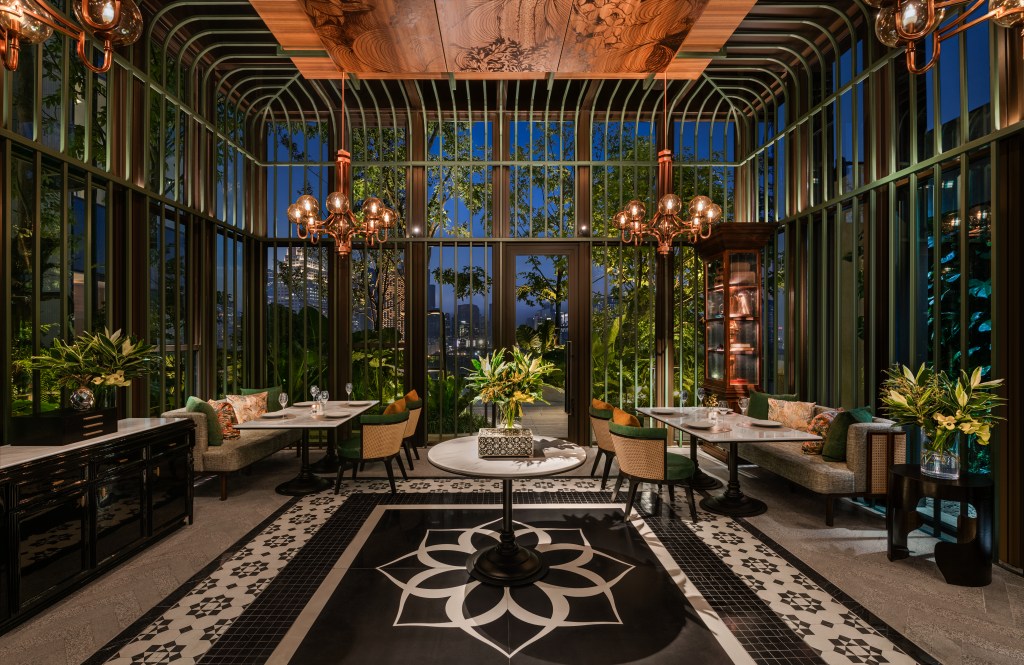
While technology and sustainability continue to shape this narrative, the heart of food will forever be human. Guests may discover their next meal through algorithms or data-driven recommendations, yet what stays with them is always the same: the warmth of hospitality, the familiarity of taste, and the understanding that comfort, when crafted thoughtfully, can express luxury in its truest form.
In the years ahead, Malaysia’s most compelling meals may not come from what is new, but from what is rediscovered. The flavours that remind us who we are, served with the care of those who understand why they matter, tell us exactly why.
Malaysia by the Numbers
- 68% of Malaysian diners choose local Asian cuisine over international fare.
- 42% of hotels report higher demand for comfort food compared to 29% regionally.
- 85% of hotels in Malaysia incorporate locally sourced ingredients into their menus.
- 74% of hotel chefs still serve traditional recipes prepared with traditional methods.
- 75% of guests ask about where ingredients are sourced.
- 63% of properties feature sustainable or zero-waste concepts on their menus.
- 95% of hotels manage bookings digitally.
- 84% of diners rely on social media recommendations when deciding where to eat.
From the table to the world beyond, Nacre brings you dining, travel, and lifestyle experiences worth savouring. Explore more with us on Instagram (@nacre.asia).

 Nacre.
Leave a comment