

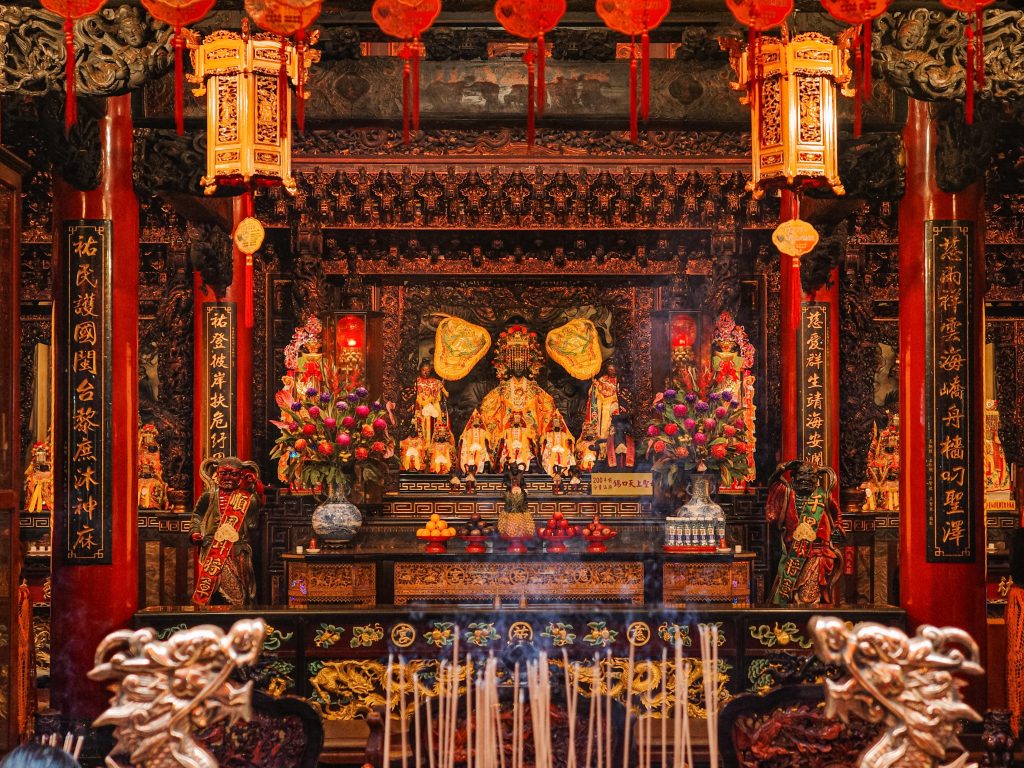
When people think of Taiwan, they often picture the iconic night markets of Shilin, the otherworldly cliffs of Taroko Gorge, or the nostalgic rhythm of slow trains winding through Jiufen and Shifen.
Food, nature, and hospitality; these are what Taiwan has come to be known for. But to stop there is to miss one of the island’s most visceral experiences: its spiritual lifeblood.

Taiwan is not just scenic, it is sacred. And for those who care to look beyond the surface, it becomes clear that faith is not kept behind temple walls, but carried through its streets, and worn into the soles of devotees who walk hundreds of kilometres in devotion.
Side note: Did you know the sky lanterns released in Shifen are lit with joss paper, used in Taoist prayers to send your written wishes to the heavens? It’s a manifestation of turning your dreams and wishes true.
The Heartbeat of Taoism
Taiwan’s religious life is deeply influenced by Taoism, blended fluidly with elements of folk beliefs, Buddhism, and Confucian values.
Unlike in many modern societies where religious rites are increasingly private or institutionalised, in Taiwan, spirituality is profoundly public. Rituals take place on sidewalks. Incense clouds rise in every other shophouse in the morning. Firecrackers explode not just for celebration, but for cleansing pathways and honouring the gods.
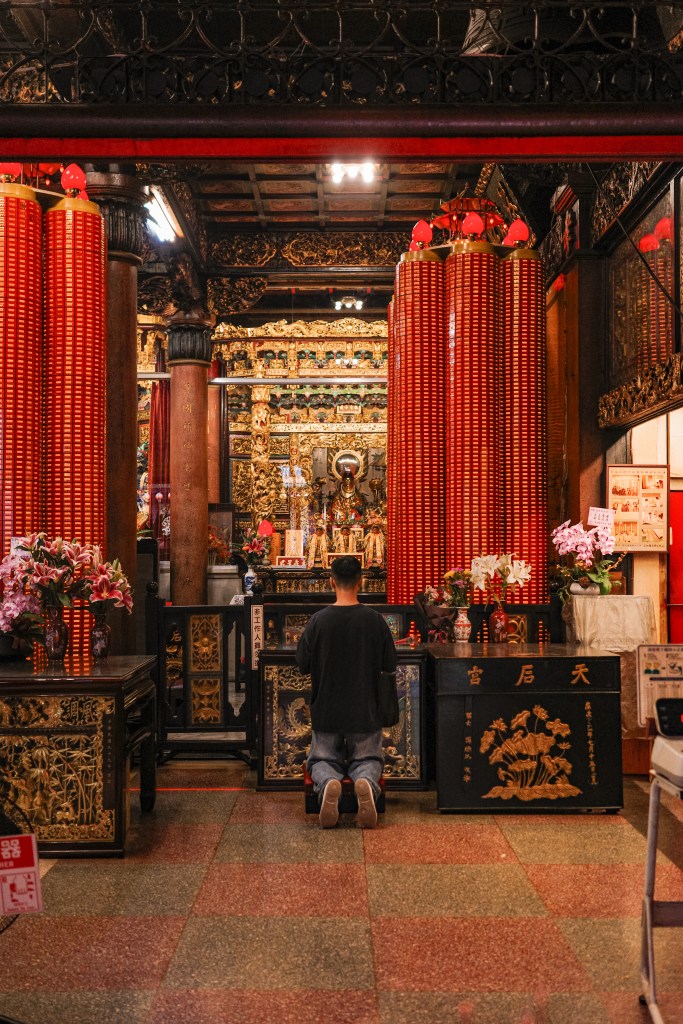
This cultural vitality is perhaps best expressed through the Dajia Mazu Pilgrimage and the Baishatun Mazu Procession—two of the largest and most iconic religious events in Taiwan. These aren’t your average temple parades; they are physically gruelling, emotionally cathartic, and spiritually liberating processions that span days and even weeks. Pilgrims don’t just walk; they walk with intention, offering their bodies as vessels of reverence. For many, this isn’t just tourism, it’s devotion.
Dajia Mazu: A Goddess on the Move
Held annually by the Dajia Jenn Lann Temple in Taichung, the Dajia Mazu Pilgrimage is one of the most significant religious events in the Chinese-speaking world.
The procession honours Mazu (媽祖), the sea goddess revered for her protection over sailors and coastal communities; a mother figure to all Taiwanese. In fact, her influence extends beyond Taiwan’s shores where devotees from Malaysia, Singapore, Indonesia, Thailand, and even Japan make the journey each year to walk in her name.
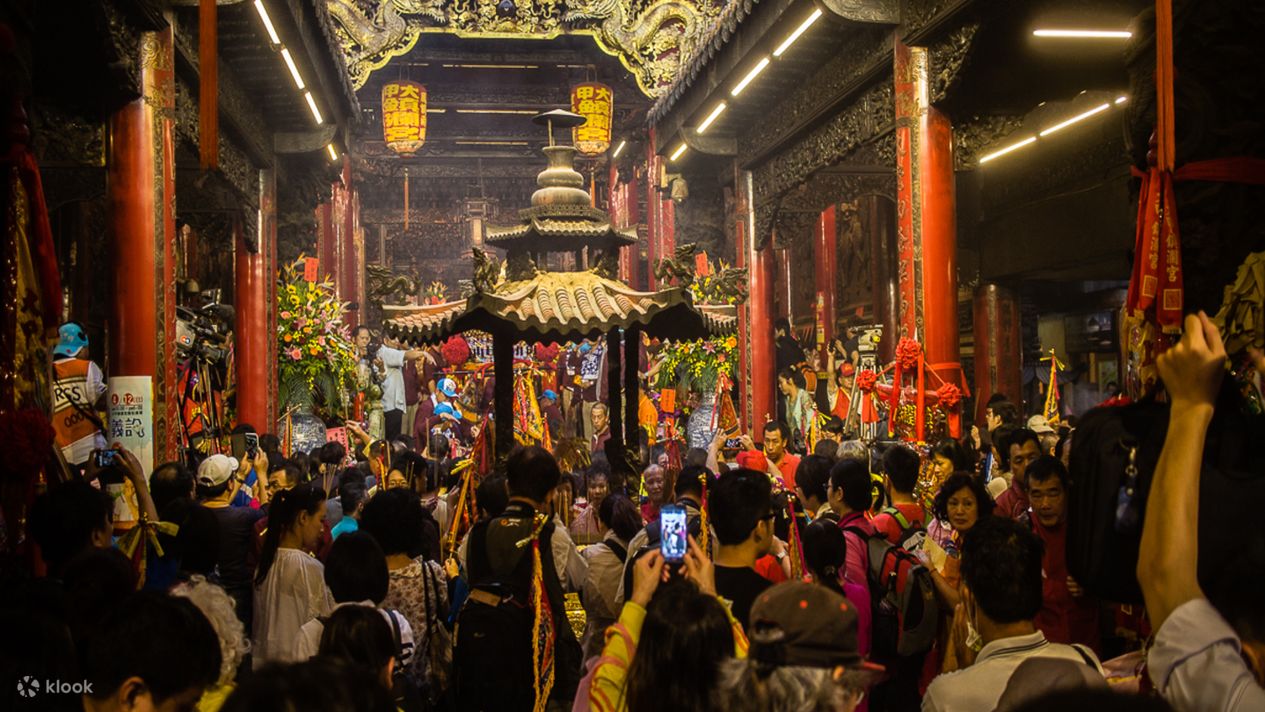
The pilgrimage stretches over 300 kilometres, traversing multiple counties over nine days and eight nights. The journey is arduous, but pilgrims young and old endure the sun, rain, and fatigue to express gratitude or ask for blessings. Many walk barefoot. Others follow behind Mazu’s palanquin, believing her presence will purify the path ahead and transform their personal fortunes.
It is difficult to describe the energy of this pilgrimage to someone who hasn’t witnessed it firsthand. It is equal parts spiritual and theatrical. Loudspeakers blare Taoist chants, temple volunteers clear the path, and entire towns shut down to welcome the goddess. Families offer hearty meals, water, snacks, and massage services to the pilgrims. The line between host and guest, performer and believer, blurs.
Taiwan becomes a country of collective hospitality not just for tourists, but for the divine.
Baishatun Mazu: Where the Goddess Leads
The Baishatun Mazu Procession, by contrast, is more mysterious and unpredictable. Organised by Gongtian Temple in Miaoli County, this procession shares the same devotional spirit as Dajia’s, but with one key difference: there is no fixed route. The palanquin (神轎), a sacred sedan chair carried by devotees moves according to the will of Mazu herself. The bearers, often in a semi-trance state, respond to spiritual ‘pulls’ and sudden turns, believed to be direct guidance from the goddess.

This makes each year’s route completely unique, with processions sometimes stretching over 400 kilometres and lasting up to two weeks. It is a powerful metaphor for faith itself—unpredictable, tiring, but deeply moving for those willing to follow.
Spiritual Tourism from Southeast Asia
While Taiwan’s spiritual culture is undoubtedly local, its magnetic pull is regional. Many overseas Chinese from Southeast Asia, particularly from Malaysia, Singapore, and Indonesia have long-standing ancestral and spiritual ties to Taiwan’s temples. Flights are timed around pilgrimage seasons. Holidays are planned to coincide with major festivals, and temple guesthouses fill with Southeast Asian devotees looking not just to witness, but to participate.
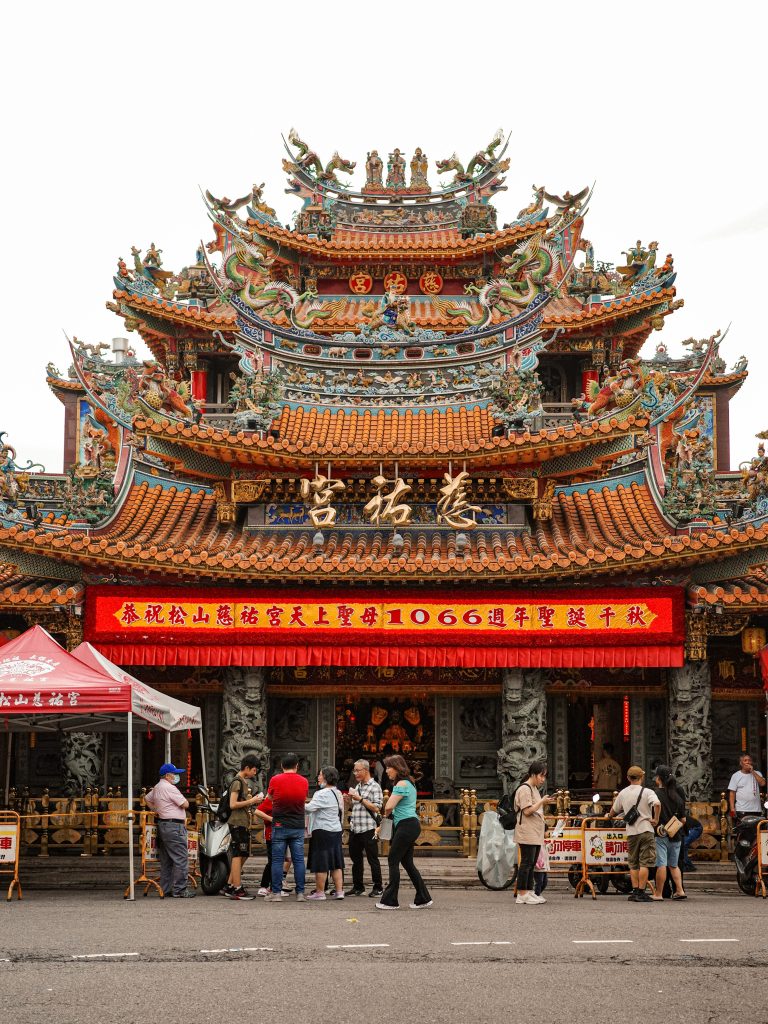
A generational shift is also quietly unfolding. Younger devotees, especially among the Chinese diaspora in Southeast Asia, many of whom have grown up distanced from their dialect roots and temple customs are now turning to Taiwan not only for spiritual nourishment but, increasingly, for cultural reconnection.
In Taiwan, they are immersed in Hokkien (Minnan) chants they may only half understand, yet the cadence still stirs something deeply familiar. Taiwan, to them, becomes more than a pilgrimage site; it becomes a mirror of heritage that still alive and thriving.
Beyond Worship: Community and Catharsis
What makes Taiwan’s religious tourism so compelling is not just the scale or drama of the events, but it is the way faith becomes a glue for community. During major festivals, entire neighbourhoods come alive. Strangers cook for each other. Business owners shut their shops to serve tea eggs and herbal soup to the tired. Volunteers stand by with first aid, massages, and even acupuncture. This is religion as ritual and ritual as hospitality.
And in a world increasingly atomised by digital lives and transactional relationships, these moments feel both rare and restorative.
Take the example of San Tai Zi, the playful, child-like deity often seen dancing atop temple trucks during parades. Clad in bright robes with exaggerated facial expressions, he spins and leaps to techno beats, drawing laughter and awe from the crowd. At first glance, it feels like street performance. But to devotees, this is divine embodiment of joy and chaos, youth and protection, brought to life.
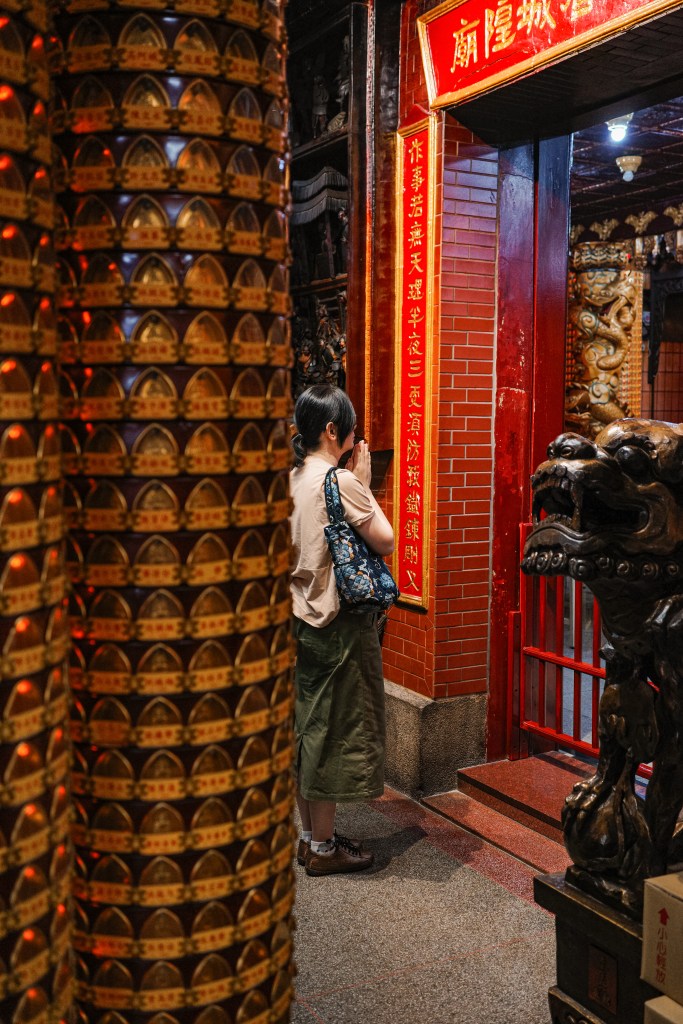
In Taiwan, deities are neither distant nor untouchable. Visiting a temple here feels less like entering a sacred institution and more like returning home to see cherished family as gods are spoken to with intimacy, confided in with tenderness, and honoured as if they’ve always been part of the household.
What This Means for Tourism
As Taiwan continues to position itself in the global tourism market, the time is ripe to highlight its spiritual offerings and not just as cultural curiosities, but as meaningful experiences, while being very careful to avoid dilution of tradition resulting from commercialization.
There is room to develop slow travel itineraries around pilgrimage routes, to create interfaith and intergenerational temple stays, and to document personal stories from overseas devotees making their annual spiritual return.
Taiwan’s religious culture offers something rare: a chance to witness living heritage that’s not preserved in museums, but practiced on the streets that is sincere, chaotic, communal, and above all, very very alive.

 Nacre.
Leave a comment