


There’s something unmistakably comforting about the scent of char kway teow and chai tow kueh wafting through the tiled corridors of a hawker centre.
It’s a sensory reminder of Singapore’s culinary heart—one that beats not in posh restaurants, but in sheltered spaces tucked beneath HDB flats, where office workers queue beside retirees, TikTokers film their bites, and the clatter of pans competes with delivery riders calling out order numbers.
It’s everyday routine—unpretentious, communal, and still the best place to have affordable meals in Singapore.
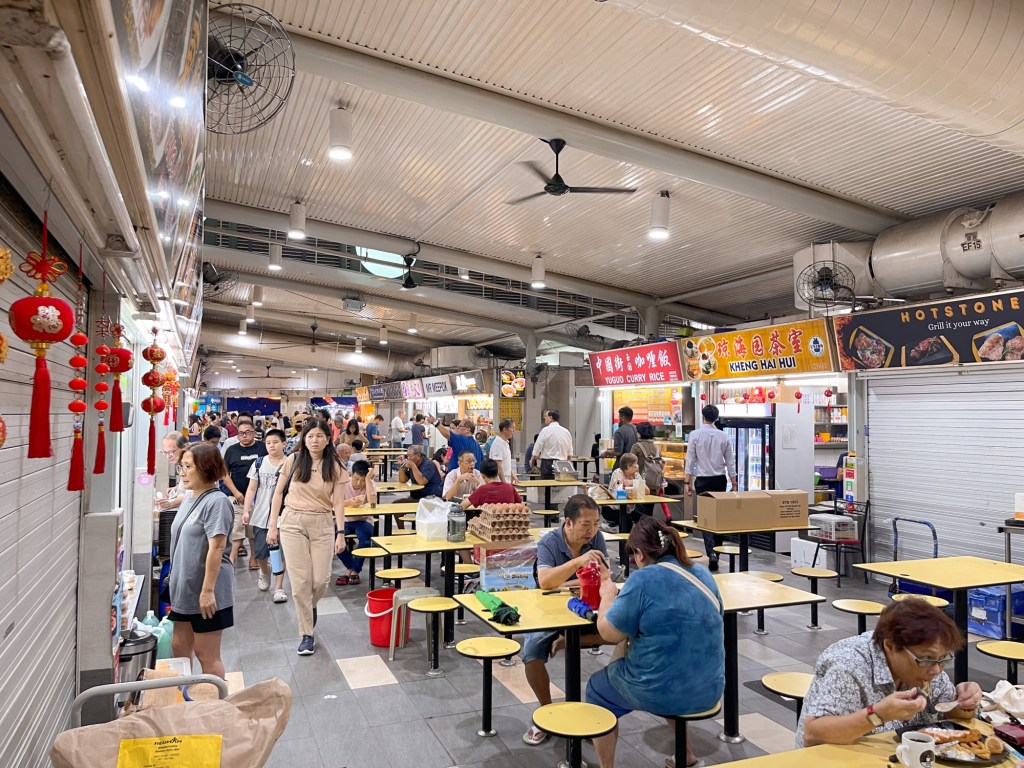
But it wasn’t always like this.
Once, hawkers in Singapore plied their trade along bustling five-foot ways and roadside corners, dishing out noodles and nasi lemak from pushcarts and makeshift stalls. It was messy, lively, and—above all—organic.
Over time, however, these vibrant streetside scenes were replaced by a more structured system. By the 1970s, most street vendors were rehoused into government-built hawker centres systematically slotted beneath housing blocks, almost like pigeonholes filled with flavour.
What was once spontaneous and chaotic became curated, clean, and controlled. Today, the street food once hawked from pushcarts now lives on in what Singaporeans call ‘hawker centres’ or ‘food courts’: regulated, roofed spaces that echo the past but reflect the orderliness of the present.
In 2020, UNESCO named Singapore’s hawker culture part of the Intangible Cultural Heritage of Humanity—a proud moment for the island nation, but one that raised eyebrows across the Causeway.
Many Malaysians couldn’t help but question: How could something so regulated be considered “intangible” or even “cultural” in the way they knew it? After all, hawker food in Malaysia is still very much a lived in, unfiltered experience—rooted in kopitiams, roadside stalls, and generational trade secrets passed down without paperwork.
But perhaps that’s precisely where the difference lies.
In Malaysia, hawker culture flourishes in its beautiful disarray—raw, unfiltered, and woven into the everyday rhythm of kopitiams and kerbside chaos. Food is served from mobile stainless steel carts, drifting between alleyways and asphalt.
In Singapore, the same culture has been refined into a system: stalls are allocated through bidding, licences are mandatory, and hygiene grades are publicly displayed. Queues form neatly, routines unfold with clockwork precision. It’s not about better or worse—just a tale of two identities shaped by different philosophies.
If I were to be honest, hawker culture in Singapore feels more deeply ingrained into the national identity. It is part of the everyday ritual—from breakfast toast and kopi to supper’s last bowl of bakchor mee.
It lives in the collective rhythm of the city. While Malaysians might embrace hawker fare with pride, it doesn’t always carry the same weight of national symbolism. In Singapore, hawker culture is not just food—it’s memory, identity, convenience and public life all rolled into one.
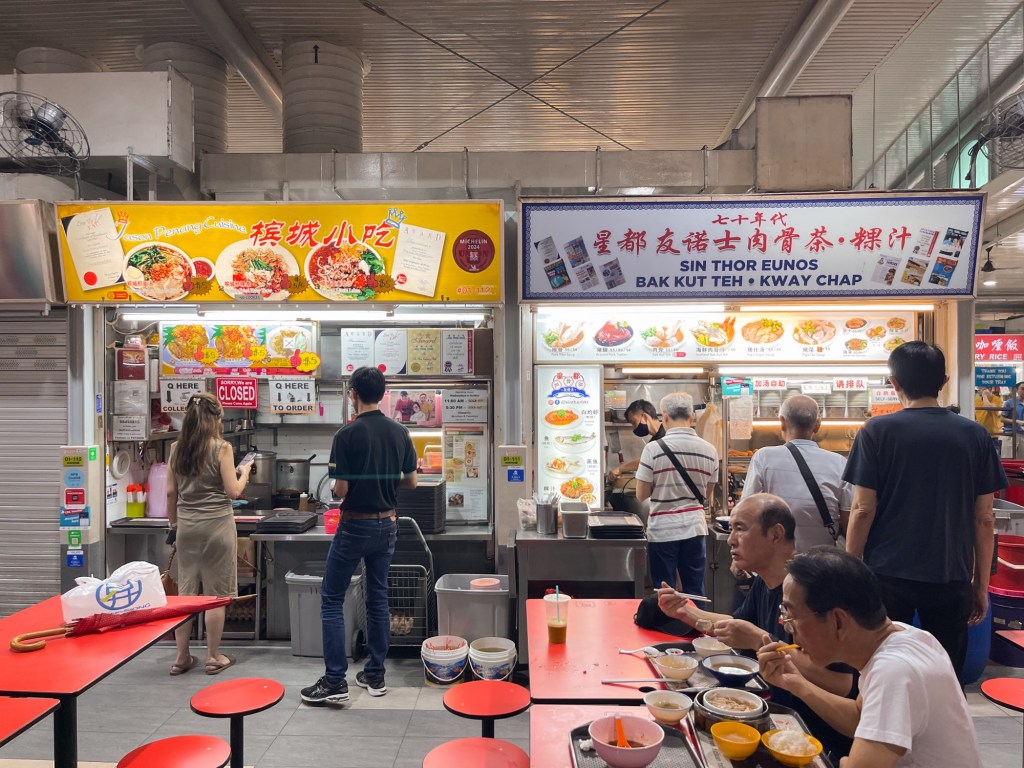
Still, the hawker scene in Singapore today isn’t frozen in time. In fact, it’s shifting—fast. A new wave of young hawkers is entering the picture, and they’re doing things differently.
Instead of following tradition, they’re reinventing it. Think handcrafted burgers grilled to order, kombucha on tap, and specialty coffee brewed with single-origin beans—all served from humble stalls in old-school food centres. Generation Coffee at Tekka Centre, for example, brings third-wave café culture into the hawker fold—minus the pretense.
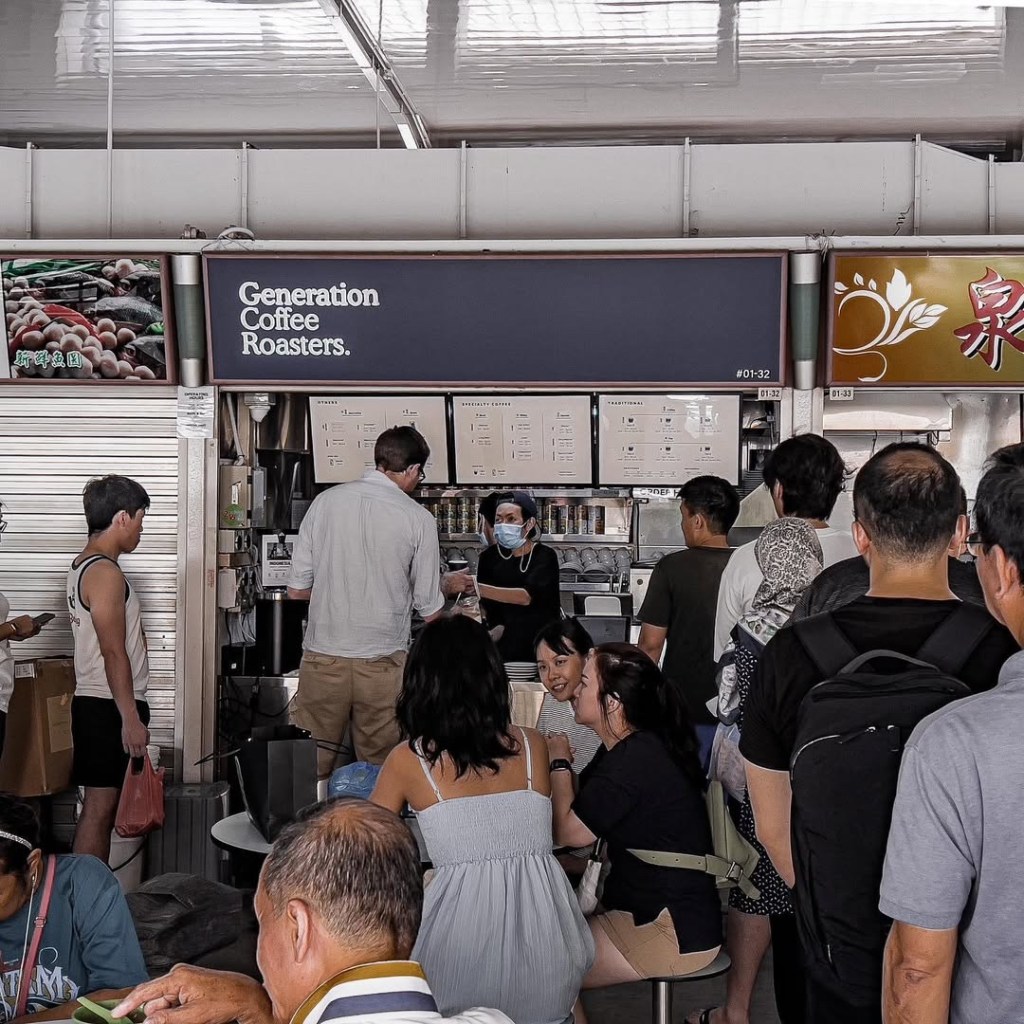
Modern hawkerpreneurs aren’t just serving food—they’re building brands, scaling up, and systemising their craft. Names like Ah Tan Wings, Ashes Burnnit, Haig Road Putu Piring, and Kerabu by Arang are reimagining the hawker trade, blending beloved local flavours with savvy business models.
Today, it’s about more than taste—it’s about sustainability, scalability, and making hawker culture a career that lasts.
But at its core, something hasn’t changed. Hawker culture in Singapore—whether it’s selling kaya toast or kimchi grilled cheese—still stands for something deeply democratic: good food, affordable prices, and a seat at the table for everyone.

Yes, it may have moved off the streets. Yes, it may be a little more polished. But step into any hawker centre during lunch hour, and you’ll see it—people from all walks of life sharing a meal, shouting their orders, choping (to reserve) seats with packs of tissue papers and wiping the sweat off their brows as they dig in. That, more than anything, is what keeps hawker culture alive.

 Nacre.
Leave a comment