
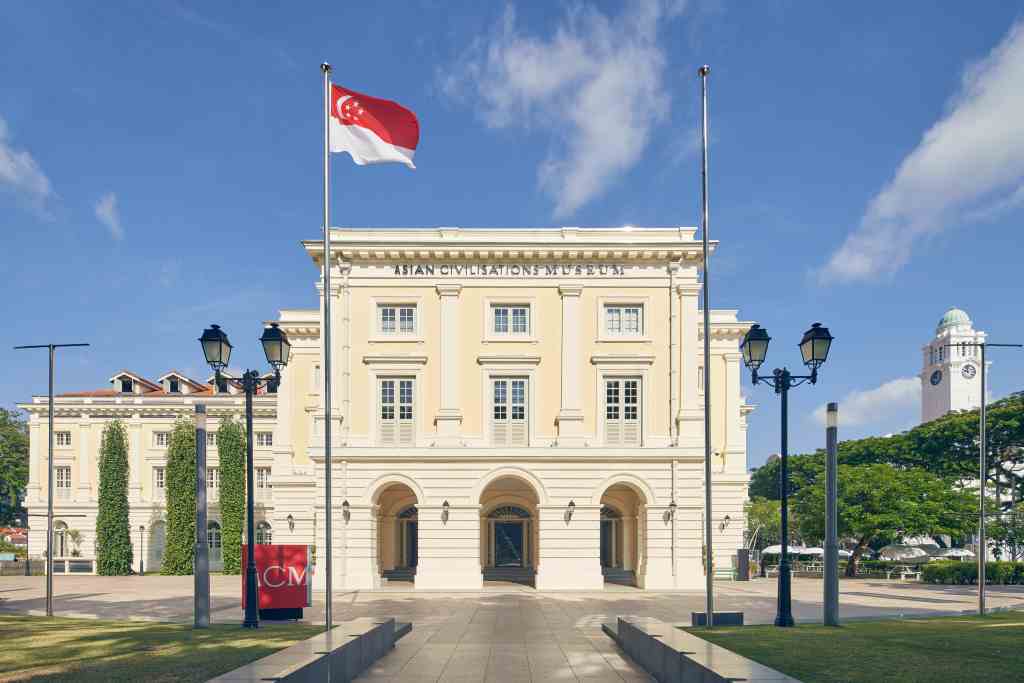
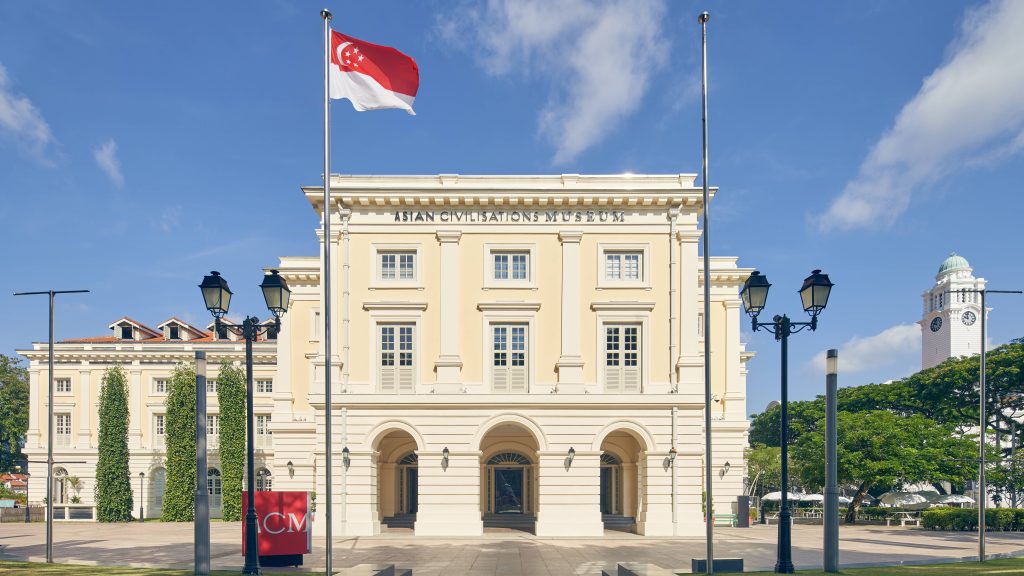
Along the banks of the Singapore River—where centuries ago traders from Arabia, India, and China once moored their vessels—the Asian Civilisations Museum (ACM) stands as a cultural beacon. It is not merely a museum, but a dialogue—between past and present, between civilisations, and between people. Within its elegant colonial façade, ACM curates more than history; it curates Asia’s entangled stories of trade, fashion, art, and community.
Trade as Cultural DNA
At the heart of ACM’s narrative lies the legacy of trade—not simply as an economic activity, but as a catalyst of civilisation. The museum’s famed Tang Shipwreck Gallery showcases the astonishing 9th-century find: an Arab dhow shipwrecked in Southeast Asian waters, bearing over 60,000 Tang-era ceramics, gold, and silver items. These artefacts reveal how interconnected Asia already was, centuries before globalisation became a buzzword.
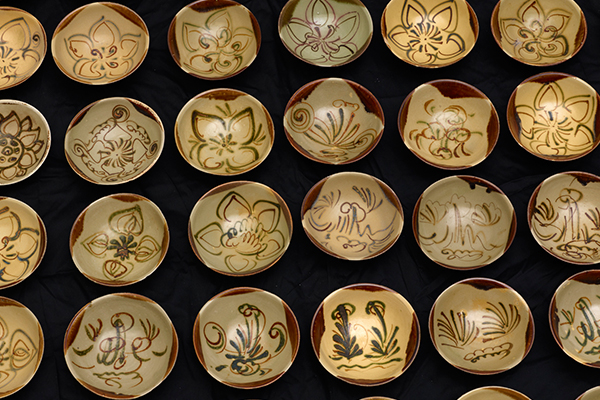
Each bowl, flask, or gold dish speaks of more than craftsmanship—it tells of cultural flow, of aesthetics shaped by demand across distant empires. Trade was not just about goods, but ideas and design, faith and flavour, style and sensibility. ACM presents these pieces as living threads in a broader fabric—evidence of Asia as both origin and intersection.
Fashion as Identity & Dialogue
Clothing and jewelleries too, becomes language. In ACM’s Fashion and Textiles gallery, garments are treated as cultural artefacts and political expressions. Peranakan beadwork, Indian brocade, batik sarongs, and contemporary reinterpretations of traditional wear are displayed with curatorial sensitivity—inviting the viewer to consider how fashion reflects and reshapes identity.
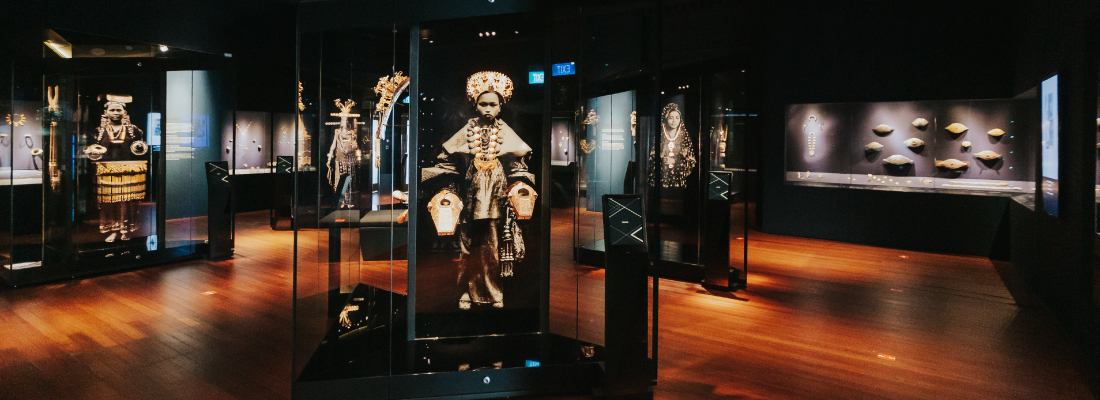
One exhibition that has remained vividly etched in my mind since 2019 is “Guo Pei: Chinese Art and Couture” at the Asian Civilisations Museum. Walking through the gallery, I remember being struck not only by the grandeur of Guo Pei’s creations—gilded gowns, cathedral-length trains, impossibly intricate embroidery—but by how seamlessly they conversed with the museum’s permanent collection. Her couture pieces, rich with imperial Chinese iconography and made with astounding precision, were placed alongside artefacts like porcelain vases, lacquerware, and embroidered robes, forming a profound dialogue between past and present, fashion and art, craftsmanship and cultural memory.

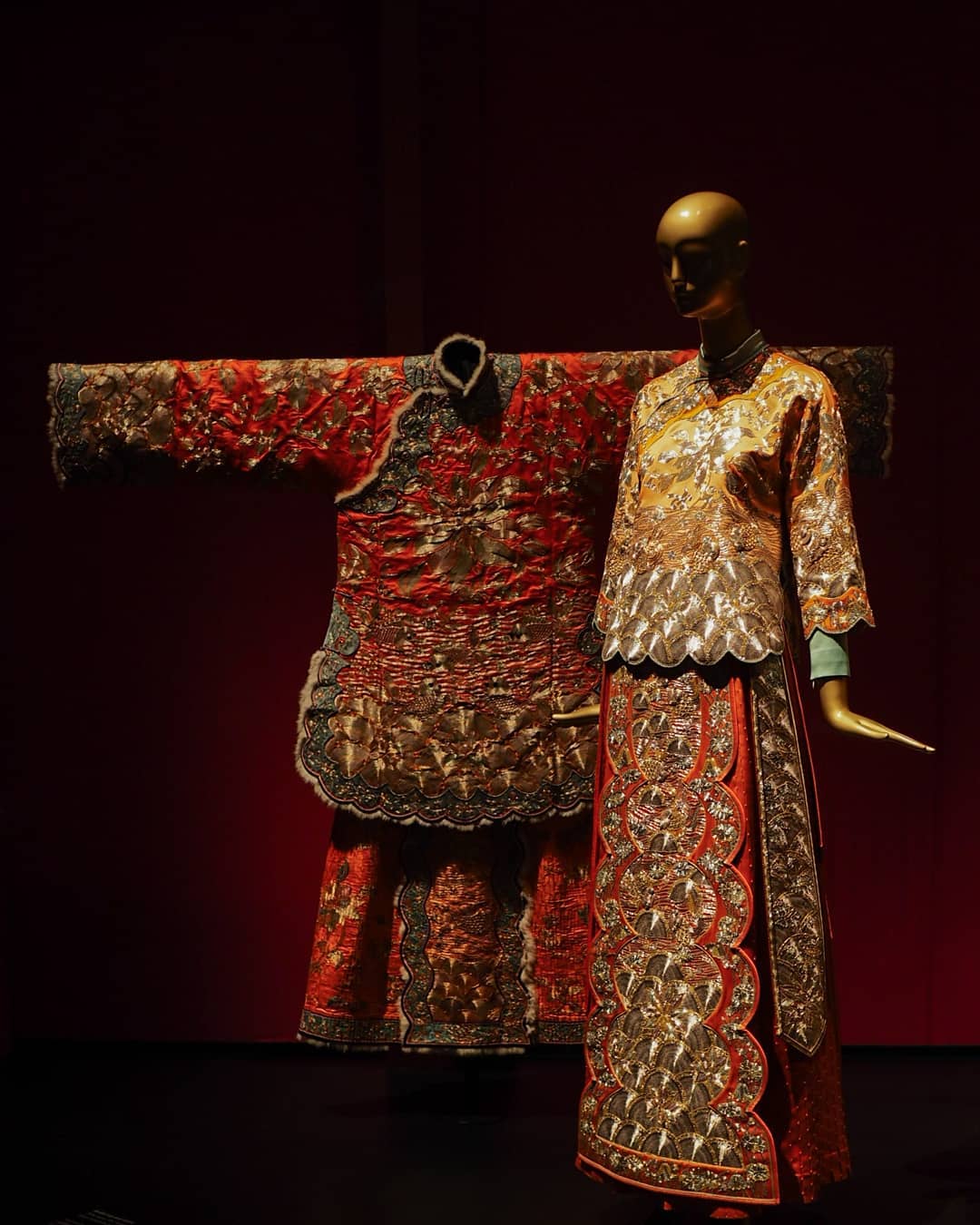
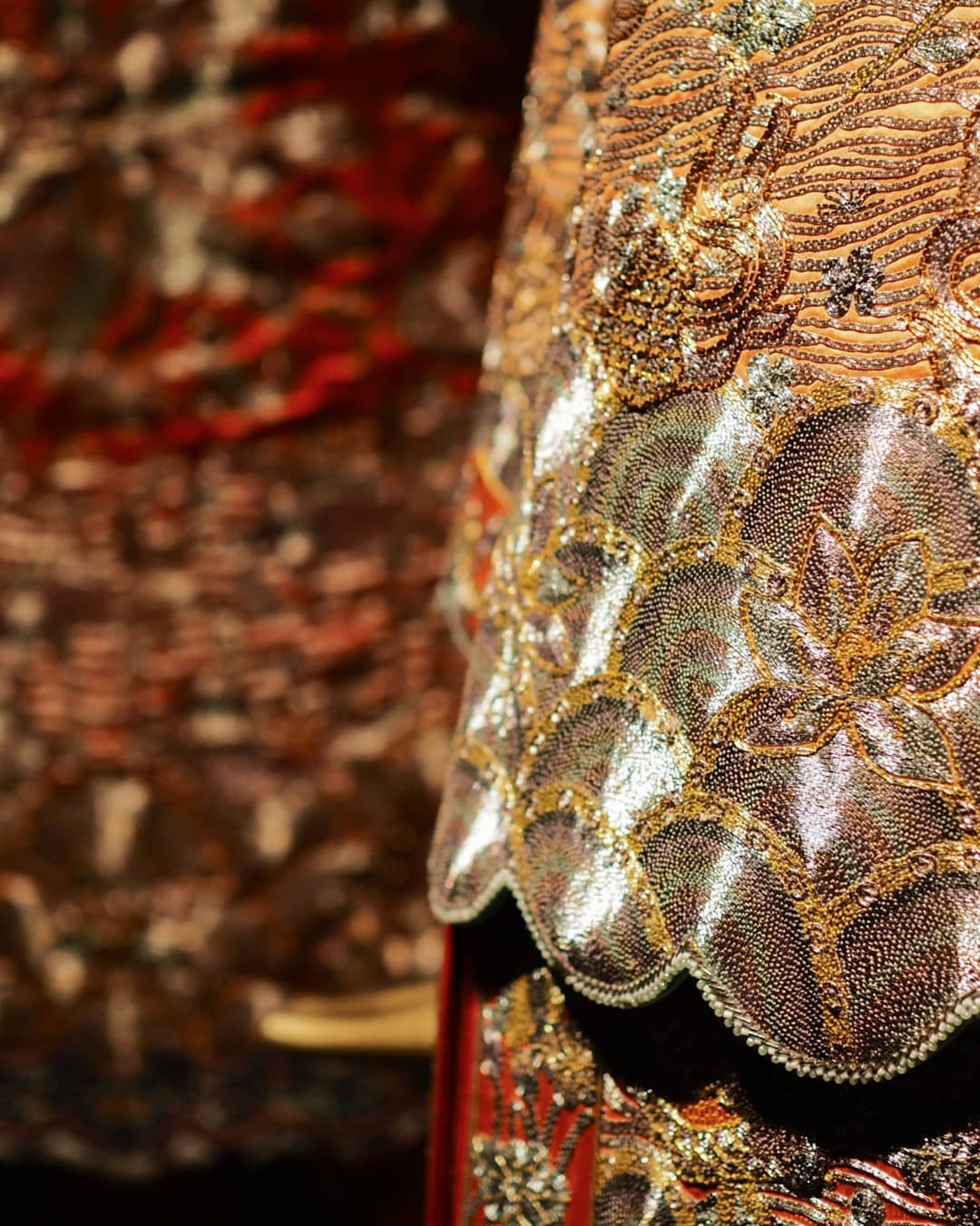
ABOVE ACM Exhibition by Guo Pei (2019)
That exhibition crystallised ACM’s unique ability to frame fashion as a form of storytelling—a way to carry forward identity, ritual, and artistry across generations. Since then, I’ve continued to admire how the museum presents textiles and garments from Peranakan, Indian, Southeast Asian, and other Asian traditions not just as decorative objects, but as deeply intimate expressions of heritage and belonging. In a time where fast fashion dominates, ACM’s approach reminds us that clothing—at its most meaningful—is both archive and artform.
Art as Shared Language
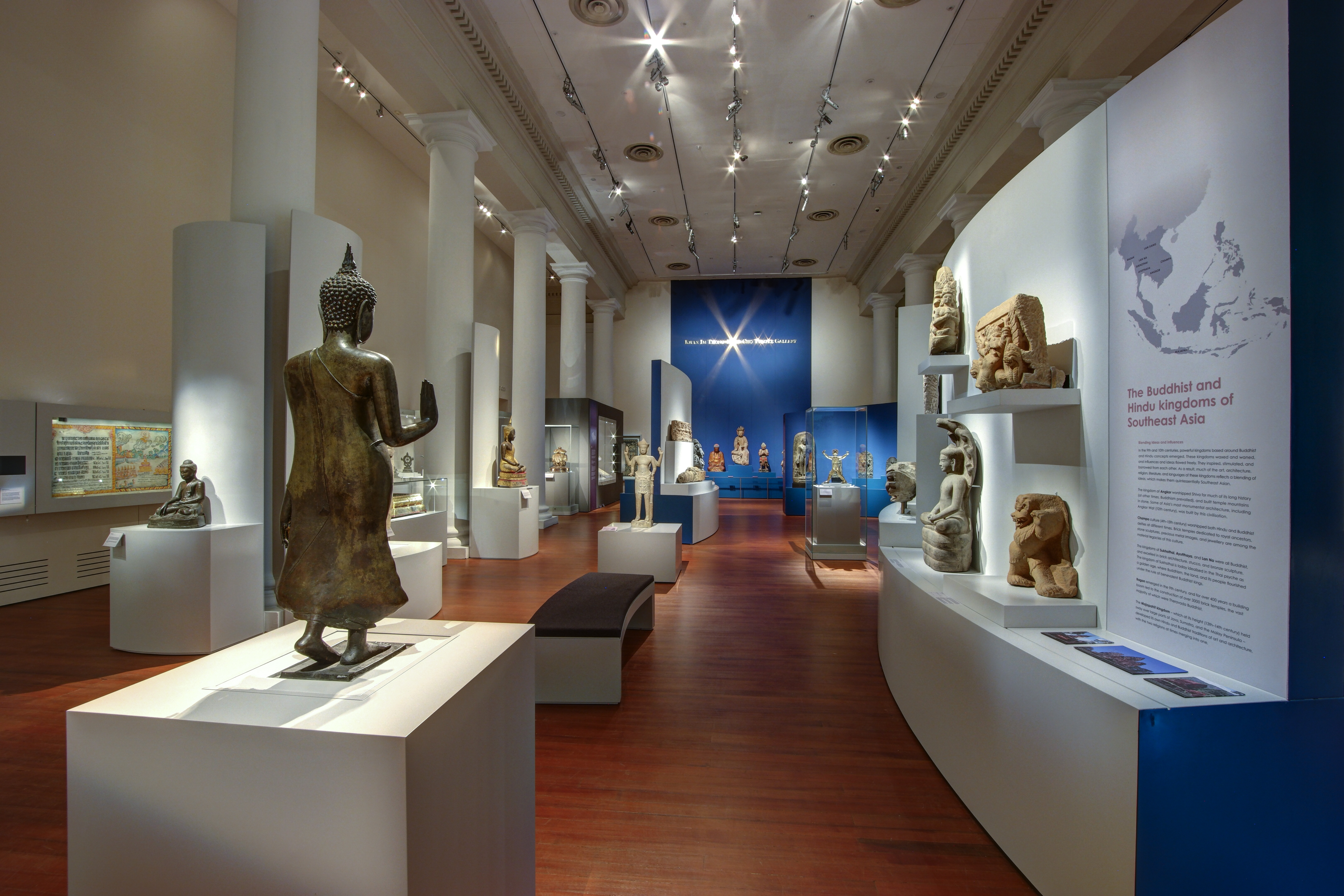
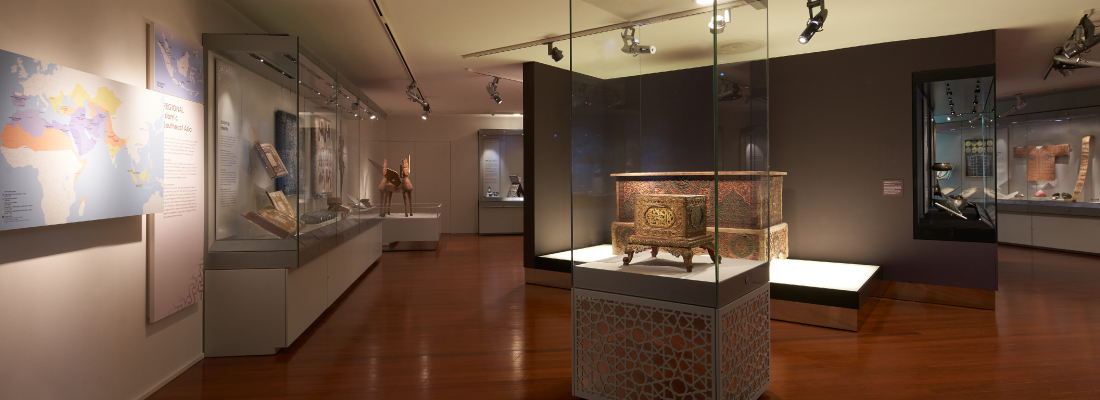
In ACM, faith and form flow across galleries with deliberate elegance. A sandstone Ganesha may share a room with Chinese Buddhist bronzes and Persian Qur’anic calligraphy, illuminating a deep truth: Asia has always been porous, plural, and spiritually sophisticated.
Rather than separating by religion or region, ACM invites dialogue—between Hindu, Buddhist, Islamic, and Christian artistic traditions, each rendered in bronze, ivory, wood, or gold. These objects do not just represent beliefs; they represent encounters, migration, and mutual influence.
Cultural Anchor for Community & Tourism
More than a museum, ACM is a site of gathering. It occupies a strategic spot in Singapore’s civic district, steps from the National Gallery, Victoria Theatre, and The Fullerton Hotel. For the traveller, it is a serene yet thought-provoking pause in an otherwise bustling cityscape.
Beyond its galleries, ACM hosts community programmes, cultural festivals, artist talks, and night markets—infusing the institution with rhythm and relevance. Its role in Singapore’s cultural tourism is both foundational and forward-thinking: it offers international guests a nuanced, layered perspective of Asia while nurturing local pride and participation.
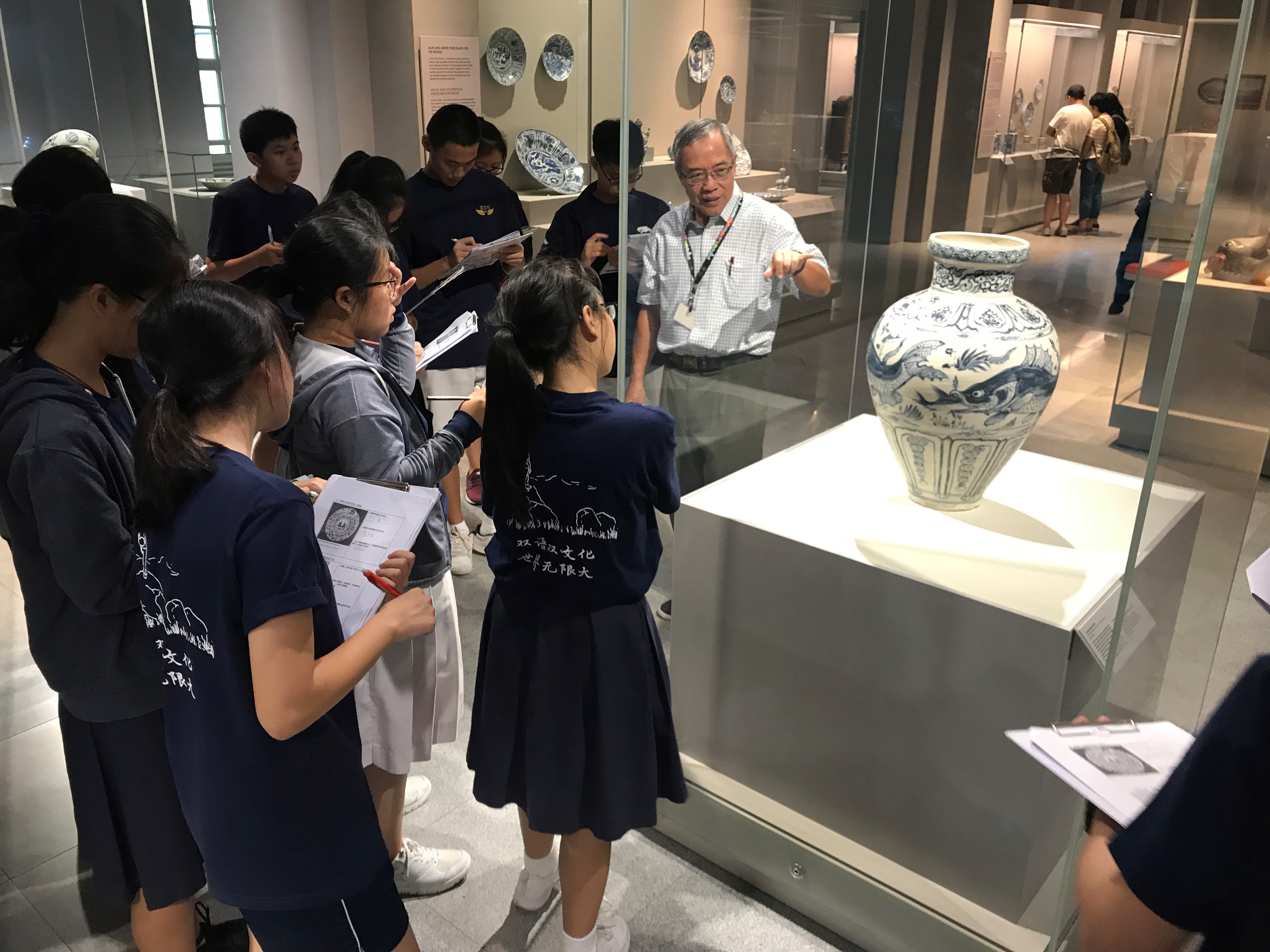
The Asian Civilisations Museum does not just curate objects; it curates connections. Between cultures, across centuries, and among people today. It is a space where artefacts become ambassadors, where heritage becomes hospitality, and where memory becomes movement.
For the cultural traveller, the ACM offers more than insight—it offers intimacy. A museum not to be consumed in haste, but to be savoured, like a poem, or a silk thread between fingers.
Asian Civilisations Museum, Singapore
1 Empress Pl, Singapore 179555
10AM–7PM Daily
Instagram | Official Website
This is not a sponsored post.

 Nacre.
Leave a comment