

In the age of global travel, tourism has emerged as a powerful economic engine. According to the World Travel & Tourism Council In 2023, tourism contributed 9.1% to the world’s GDP. Nonetheless, as the industry fluorishes, it brings a dual-edged challenge. While it sustains millions of livelihoods, its environmental and socio-cultural impacts are increasingly becoming points of contention. Rethinking sustainable tourism and hospitality is no longer a choice but an imperative for the future.
Understanding Sustainable Tourism: Beyond “Green” Practices
Sustainability in tourism is often narrowly interpreted as environmentalism — think reducing water usage, eliminating plastic straws, or encouraging recycling. While these efforts are undeniably crucial, sustainability encompasses much more. A more holistic framework for sustainability considers not only the environment but also social equity, cultural preservation, and economic resilience.
According to the United Nations World Tourism Organization (UNWTO), sustainable tourism must “[meet] the needs of current tourists.” It must meet the needs of host regions and, also protect and enhance opportunities for the future. This means promoting practices that allow both nature and local communities to thrive together.
Moving Toward Regenerative Tourism
Regenerative tourism is emerging as the next frontier in sustainable practices. Unlike traditional sustainability, which focuses on “doing no harm,” regenerative tourism aims to leave destinations better than they were before. It encompasses a broader responsibility to restore natural environments, preserve local cultures, and engage in meaningful relationships with communities.
In Asia, one exemplary model of regenerative tourism can be found in Bawah Reserve in Indonesia’s Anambas Archipelago. This eco-luxury resort combines luxury with a deep commitment to preserving the surrounding marine ecosystem and benefiting the local community. The reserve operates under the principle of giving back to the environment by restoring coral reefs and reforesting mangroves that were damaged by unsustainable practices in the past. By involving local communities in the restoration work and providing them with alternative, sustainable livelihoods, Bawah Reserve has shown how tourism can actively regenerate ecosystems while uplifting local economies.

The resort goes beyond offering eco-friendly amenities by involving guests in conservation efforts, creating an immersive and educational experience that allows visitors to directly contribute to the health of the environment they are enjoying.
READ ALSO: Anantara Hotels & Resorts: Luxurious Stays in Harmony with Culture
Local Community Involvement: The Key to Cultural Preservation
Sustainable tourism can only be achieved when local communities are at the forefront of decision-making processes. Studies have shown that when tourism enterprises are community-led, they are more likely to preserve cultural heritage and foster socio-economic benefits for local residents. Local community involvement has been identified as “the most effective way to ensure that tourism benefits are evenly distributed and culturally sensitive.”

A prime example of community-led hospitality is the Phou Iu Travel and Ecotourism initiative in Laos. Located in the heart of the Luang Namtha Province, the project is run by local ethnic communities and promotes eco-friendly homestays, trekking tours, and cultural exchanges. Through this initiative, the local people share their traditional knowledge and culture with visitors while generating incomes in an environmentally conscious manner. The project has played a crucial role in preserving the indigenous Akha and Hmong cultures while fostering a deeper understanding of sustainable practices in remote areas.
The Role of Technology in Sustainable Practices
Technology plays a pivotal role in driving the future of sustainable tourism. From energy-efficient infrastructure to digital innovations that reduce waste, the intersection of hospitality and technology is increasingly promising.
Smart hotels, like the Alila Villas Uluwatu in Bali, demonstrate how technology can contribute to sustainability without compromising luxury. This eco-resort uses local materials, sustainable architecture, and energy-efficient technologies such as solar power and water recycling systems. Alila Villas’ commitment to sustainability extends to their zero-waste program, which ensures that all waste is either recycled or composted, effectively minimizing their environmental footprint. These initiatives are part of their broader goal to achieve EarthCheck certification, a leading benchmark in environmental performance.
The Role of the Traveler: Responsible Tourism
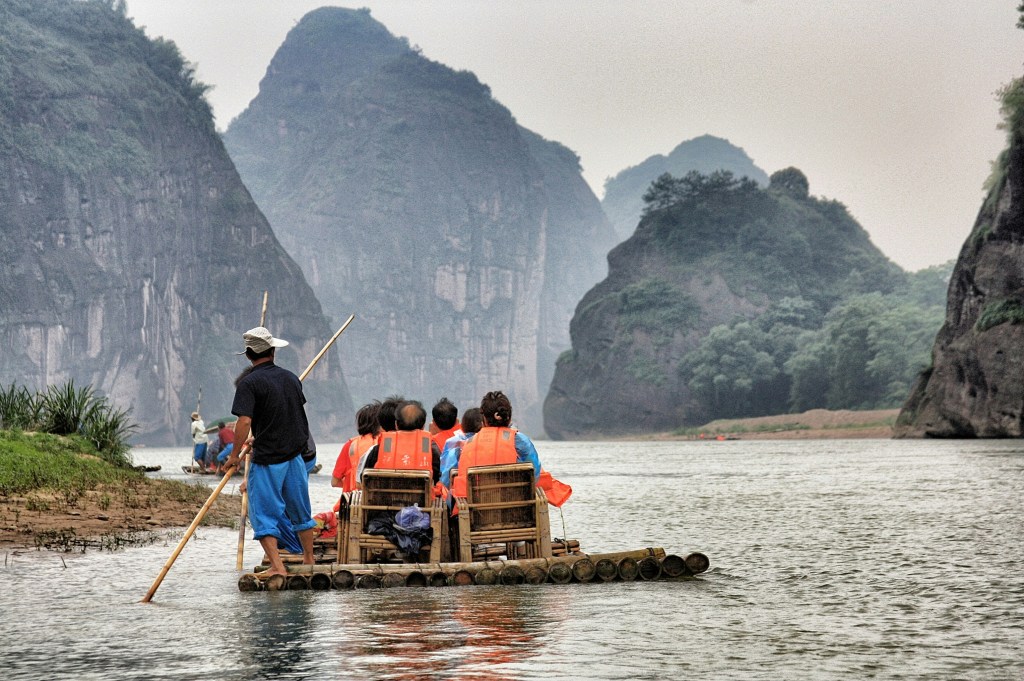
Sustainable tourism is not only the responsibility of hotels, airlines, or tour operators — it also falls to the traveller. A growing body of research highlights the importance of responsible tourism, where travellers consciously make choices that reduce their environmental impact and support local economies.
In Bhutan, where tourism is strictly regulated to preserve the country’s cultural and natural heritage, visitors must pay a daily sustainable development fee. This fee contributes directly to conservation efforts and community development projects. Bhutan’s approach ensures that tourism is not only controlled but also that it gives back to the country, preserving its pristine landscapes and cultural traditions.
The Future of Hospitality: Embracing Circular Economies
In hospitality, the shift toward circular economies — a model where resources are reused, repaired, and recycled instead of discarded — is gaining momentum. Circular economies reduce waste and enhance resource efficiency, making hotels more resilient to supply chain disruptions and environmental degradation.
For instance, Six Senses resorts across Asia are at the forefront of this movement. Their properties integrate organic farming, waste recycling, and even on-site water bottling facilities, eliminating the need for plastic bottles entirely. The Six Senses Fiji resort, for example, uses off-grid solar power and offers visitors the chance to participate in local community projects, supporting a truly circular and sustainable model.

These initiatives not only decrease the ecological footprint but also attract conscious consumers who prefer brands that align with their values.
Challenges and Opportunities
Despite the progress, significant hurdles remain in achieving full-scale sustainable tourism. One major challenge is balancing economic growth with environmental preservation. Many developing nations in Asia rely heavily on tourism as a vital source of income, which can sometimes conflict with the need to protect ecosystems or reduce carbon emissions.
To navigate this tension, public-private partnerships are crucial. Governments, local communities, and private enterprises need to collaborate in setting industry standards, offering incentives for sustainable practices, and fostering innovation. In Cambodia, for example, joint efforts between the government and private tourism stakeholders have led to the Angkor Heritage Management Framework, which balances tourism with the conservation of the Angkor Wat UNESCO World Heritage site.
Towards a Conscious Tourism Industry
The transformation of tourism and hospitality into truly sustainable industries requires not only a shift in practices but also a shift in mindset. From adopting regenerative approaches to leveraging technology, engaging local communities, and encouraging responsible travel behavior, the entire ecosystem must collaborate toward a common goal.
By rethinking sustainability and luxury in Asia’s diverse landscapes, we are not just protecting destinations—we are enriching them for future generations. Sustainable tourism is not a fleeting trend, but the cornerstone of what be a more conscious and connected world. With Asia at the heart of global tourism growth, the region has the potential to lead the world in pioneering a sustainable future for travel. We look forward to seeing where this vision will take us.
This post is not a sponsored post.

 Nacre.
Leave a comment