

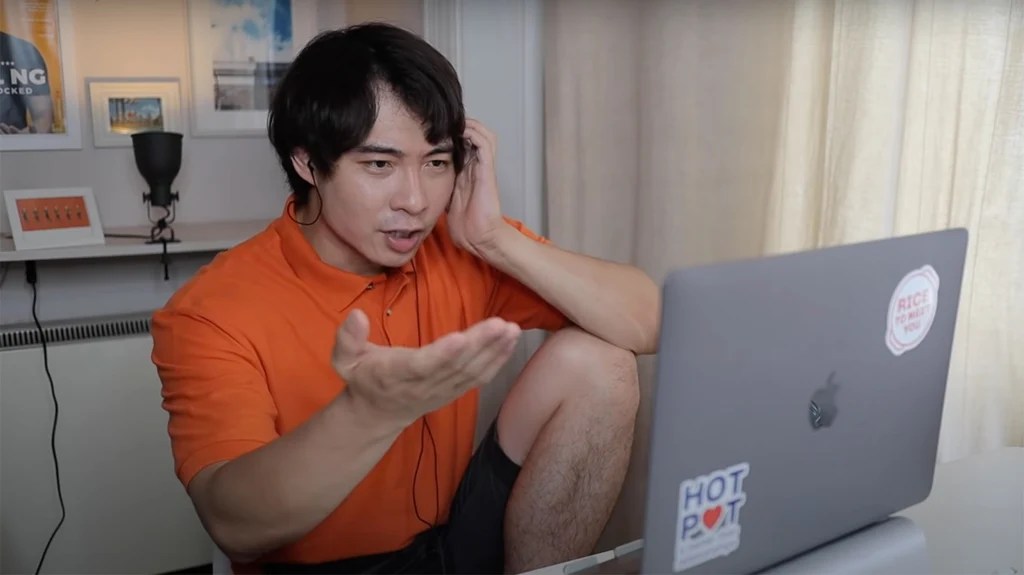
In today’s interconnected digital landscape, influencers and comedians alike often hold significant sway over public opinion. Their opinions broadcasted across social media platforms can spark debates and shape cultural dialogues. One persona who has found himself in the crosshairs of both admiration and criticism is Uncle Roger, a comedian who has built a brand around humour that satirises Asian culture, pokes fun at culinary traditions, and critiques chefs; and more recently attempting to tarnish and leverage over old businesses like Uncle Soon Fried Rice. With the recent opening of his restaurant in Pavilion Bukit Bintang, Uncle Roger’s comedic persona has been met with renewed scrutiny, especially as critics call into question the service and quality of food, particularly his signature dish—fried rice.
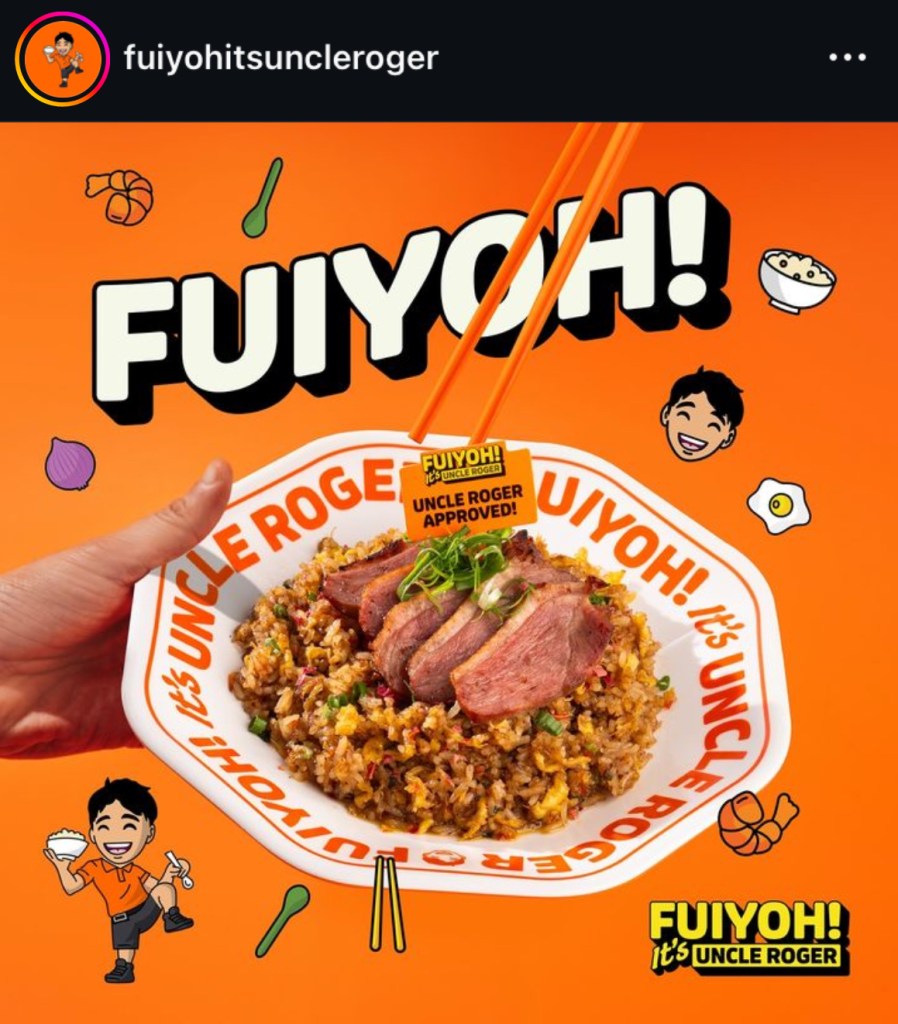
This raises a broader question: Should we, as the public, truly empower comedians like Uncle Roger—who mock cultural nuances, and criticise professionals—to shape the discourse around food, culture, and culinary arts?
The Blurred Line between Humour and Insensitivity
Comedians have long been granted creative licenses to explore and satirise social issues, and in some instances, their humour can serve as a platform for cultural critique. However, Uncle Roger’s content, which relies heavily on caricatures of Asian stereotypes treads between light-hearted satire and problematic insensitivity. His jokes about culinary practices are often portrayed as humorous exaggerations, but do they cross a line when they reinforce harmful stereotypes or undermine cultural authenticity?
Criticism has been aimed at his routine mocking of chefs and businesses, sometimes overshadowing their expertise with flippant remarks about their cooking. While satire can serve as a vehicle for social commentary, the nature of Uncle Roger’s jokes can be perceived as dismissive, undermining the rich history and craftsmanship that underpins many traditions in the culinary world. Does this persona add anything of value to the culinary discourse, or is it simply entertainment that feeds off overused stereotypes and reductive comedy?
Comedic Influence versus Culinary Expertise
The real question here is whether comedians like Uncle Roger should have the power to shape opinions on food and culinary practices. Comedy and culinary arts are fundamentally different realms. While one is a form of entertainment intended to amuse, the other is a craft rooted in tradition, skill, and cultural heritage. Uncle Roger’s critiques of chefs may draw in millions of views, but should comedic appeal be mistaken for culinary authority?
Opening a restaurant, as Uncle Roger did in Pavilion Bukit Bintang, blurs the lines between his persona as a comedian and the reality of running a professional culinary establishment. His restaurant has been met with harsh criticism regarding both service and food quality, particularly the fried rice—a dish that he has inadvertently positioned himself as an expert on. Critics have pointed out that when it comes to the execution of the food falls short of expectations, casting doubt on whether his comedic brand should translate into real-world culinary ventures.
The Dangers of Cultural Mockery
Beyond culinary criticism, Uncle Roger’s brand also raises concerns about cultural mockery. His exaggerated portrayal of an older Asian man, complete with a heavy accent and outdated views, draws laughs, but at what cost?
When comedians like Uncle Roger capitalise on cultural caricatures, it risks perpetuating these stereotypes rather than challenging them, further contributing to the marginalisation of Asian communities in his substantial Western audience.
Accountability in the Digital Age
In an era where online personalities can gain significant influence, the question of accountability becomes crucial. Comedians like Uncle Roger wield considerable power in shaping public perceptions, but should they be held accountable for the impact of their words and actions? The rise of social media has championed free speech and opinion-sharing, allowing comedians, influencers, and critics alike to have a platform. Yet, with this power comes the responsibility to ensure that their content does not perpetuate harmful stereotypes or degrade the professional work of others.
Uncle Roger’s foray into the restaurant industry also underscores the importance of maintaining high standards in professional fields. His failure to meet expectations with his restaurant highlights a reality that entertainment and expertise are not always interchangeable. While his persona may succeed online, the culinary world demands more than surface-level knowledge and facetious flair.
Herein lies the contradiction: Uncle Roger’s humour works online because it parodies a lack of culinary expertise. Yet, when that same humour is translated into the real world of restaurants and gastronomy, it is met with the demands of professionalism, consistency and excellence. Should the opinions of a comedian, whose primary goal is to entertain, be taken seriously in a professional context where the stakes are far higher than a YouTube comment section?
The Verdict
Ultimately, the public must decide how much weight to give to comedians who blur the lines between satire and cultural critique. Uncle Roger’s brand may be entertaining to some, but it also raises important questions on whether or not there are consequences to giving power to those who mock cultures and undermine professionalism in any field, including the culinary arts. Comedic opinions, no matter how humorous, should not replace the voices of professionals who have dedicated their lives to honing their craft.
In the case of Uncle Roger, the reception of his restaurant suggests that the public is beginning to differentiate between his on-screen persona of criticising food and the realities of operating in a professional environment. As consumers of both entertainment and food, we must ask ourselves whether comedians like Uncle Roger truly add educational value and substance to the conversations surrounding culture, cuisine and the food industry—or whether they serve only to entertain at the expense of deeper understanding, respect and dedication of those in the industry.
In a world where voices carry more weight than ever, it is crucial to distinguish the opinions we elevate and the ones we consume as entertainment. After all, humour can be a powerful tool, but it should not come at the expense of professionalism or cultural integrity.
Note: This post is not affiliated to any parties mentioned.

 Nacre.
Leave a comment