
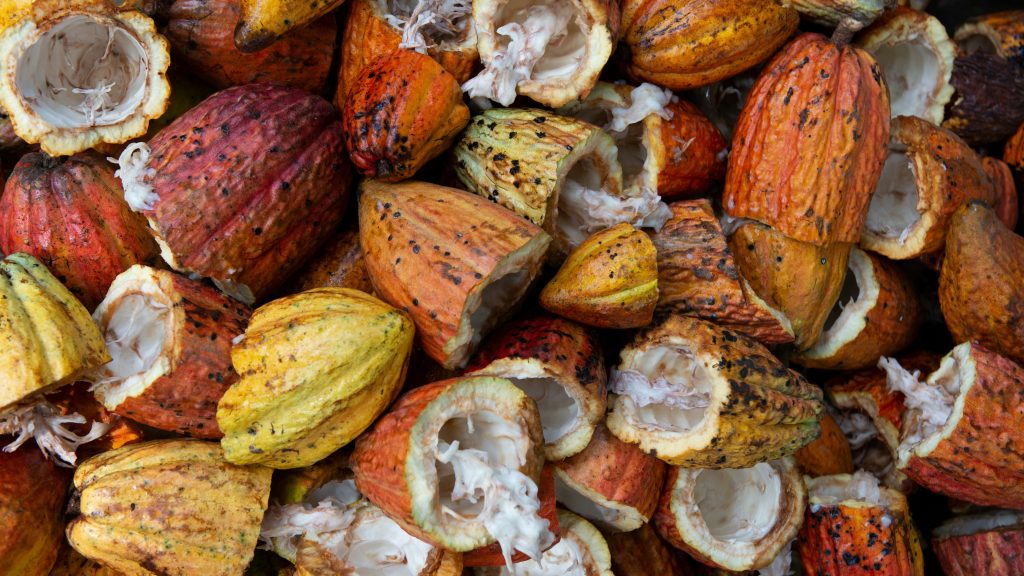
Chocolate’s journey begins with Theobroma cacao, a small evergreen tree native to the tropical regions of Central and South America. The word “theobroma” translates to “food of the gods,” a testament to the sacred status cacao held among ancient civilisations. The Maya and Aztecs were among the first to cultivate cacao, turning its seeds into a rich, frothy beverage often spiced with chilli peppers, vanilla, and other indigenous flavours. This drink was considered divine and invigorating, and was consumed during rituals and ceremonies.
The Heritage
Cacao beans were revered not just for their taste but also for their supposed mystical properties. The Mayans used cacao in marriage ceremonies, while the Aztecs believed it provided wisdom and vitality.
When Spanish explorers, including Hernán Cortés, encountered cacao in the 16th century, they brought it back to Europe. Initially reserved for the elite, chocolate gradually spread across the continent and evolved into the sweetened, solid form we enjoy today.
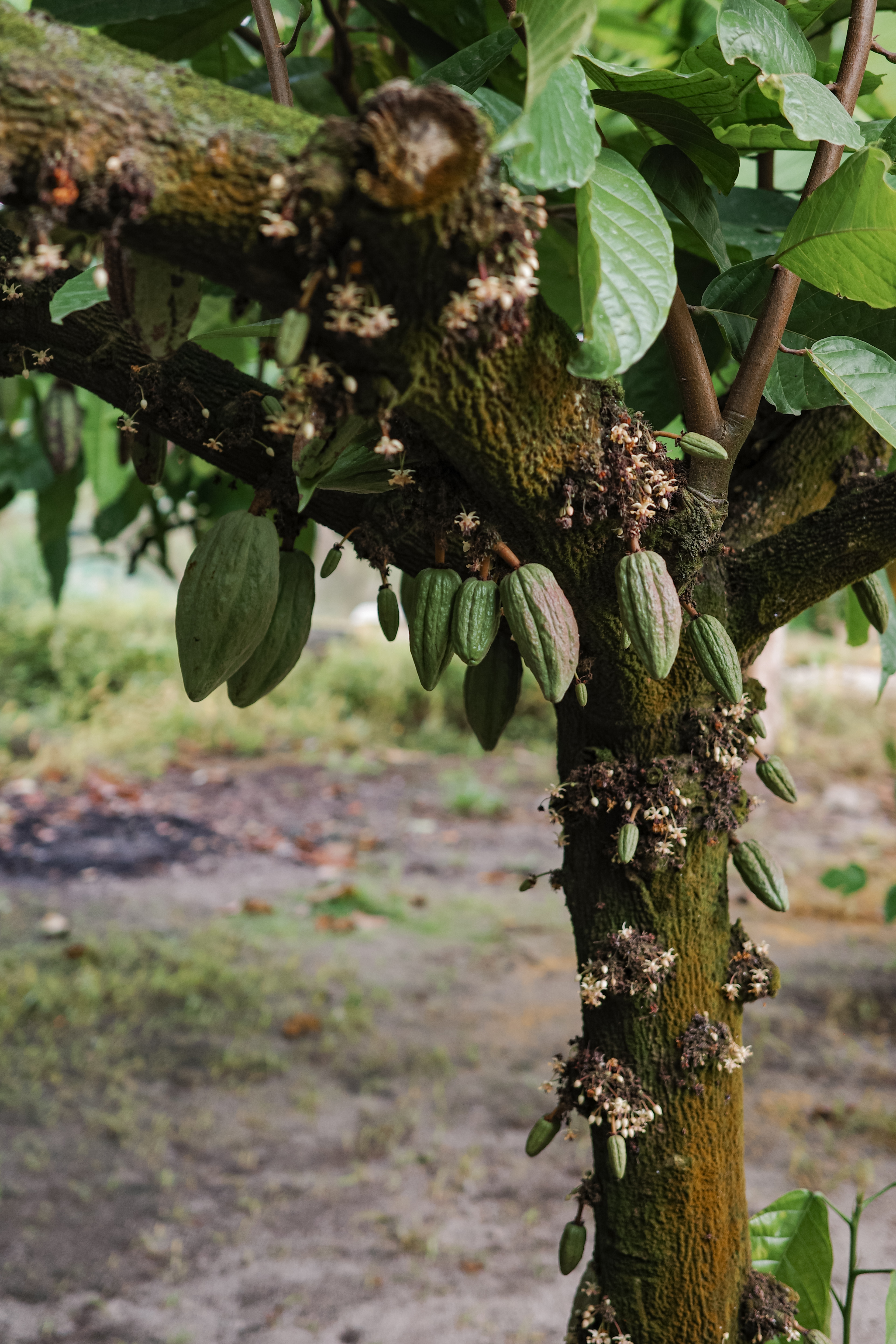
In ancient Mesoamerican cultures, cacao beans were so valuable that they were used as a form of currency. The Aztecs, in particular, traded cacao beans for goods and services and used them to pay taxes and tribute. One cacao bean could buy a simple item like a tomato, while a few hundred could purchase a slave. This use of cacao as money highlights its significant economic and cultural value in these societies.

The Commercialisation of Chocolates
The commercialisation of chocolate began in the 19th century, driven by innovations in processing and mass production.
The invention of the cocoa press by Dutch chemist Coenraad van Houten in 1828 made it possible to separate cocoa butter from cocoa solids, leading to the creation of smoother, more palatable chocolate. The Swiss were pioneers in developing milk chocolate, with Daniel Peter and Henri Nestlé combining milk powder with chocolate. This era also saw the rise of iconic brands like Cadbury, Hershey, and Lindt, who brought chocolate to the masses.
The Craft of Artisanal Chocolates
Despite industrial advancements, artisanal chocolates have retained a unique place in the market. Artisanal chocolatiers emphasise quality over quantity, sourcing premium cacao beans and employing meticulous techniques to create unique, small-batch products. These chocolates often feature complex flavour profiles, with innovations such as single-origin bars, exotic infusions, and handcrafted designs. The craft celebrates the artistry and tradition of chocolate-making, offering consumers a refined and authentic experience.
A Luxury Purchase Post-Pandemic
The COVID-19 pandemic disrupted global supply chains and resulted to significant increases in chocolate prices. Lockdowns and restrictions affected cacao production, labour shortages emerged, and logistical challenges hampered the distribution of raw materials. Additionally, increased demand for comfort foods, including chocolate, put pressure on supply.
As a result, chocolate prices surged, impacting both commercial and artisanal markets. The industry is still navigating these challenges, seeking to stabilize supply chains and meet evolving consumer demands.
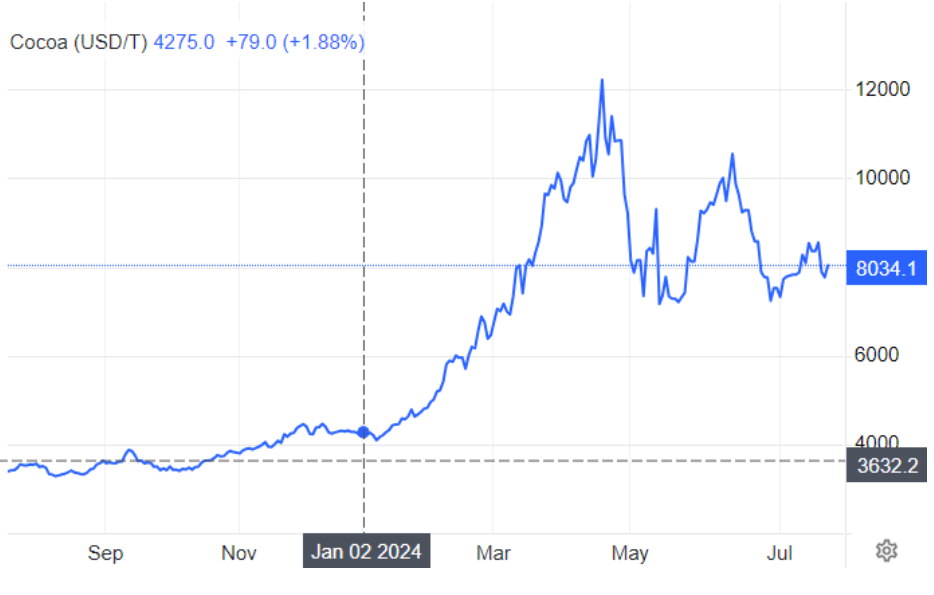
The recent fluctuations in commodity prices have posed immense challenges for artisanal chocolate makers, forcing them to raise the prices of their exquisite confections. As a result, chocolate is now perceived as a luxury, much like it was in the times of the Aztecs and Mayans, who revered it as a sacred commodity. This shift not only affects consumer perceptions but also underscores the delicate balance small businesses must maintain in a volatile economic landscape.
Chocolate Culture in Southeast Asia
Southeast Asia is experiencing a burgeoning chocolate culture, combining traditional flavours with modern innovations. Countries such as Malaysia, Singapore, Thailand, and Vietnam are emerging as significant players in the chocolate industry. The region’s rich agricultural landscape and strategic location within the Cacao Belt provide ideal conditions for cacao cultivation.
The Cacao Belt, spanning roughly 20 degrees north and south of the equator, includes parts of Central and South America, West Africa, and Southeast Asia, where warm temperatures, high humidity, and abundant rainfall create perfect growing conditions for cacao trees. Countries within this belt, like Ivory Coast, Ghana, Brazil, Ecuador, Indonesia, and Malaysia, are among the top producers of cacao beans that supply the global chocolate market.
Meanwhile, a growing middle class in Southeast Asia is driving demand for premium and artisanal chocolates. Local chocolatiers are experimenting with indigenous ingredients such as durian, coconut, and pandan, crafting unique products that showcase the region’s diverse culinary heritage.
Artisanal Brands of Chocolates in Southeast Asia
The artisanal chocolate scene in Southeast Asia is thriving, with numerous brands gaining international acclaim.
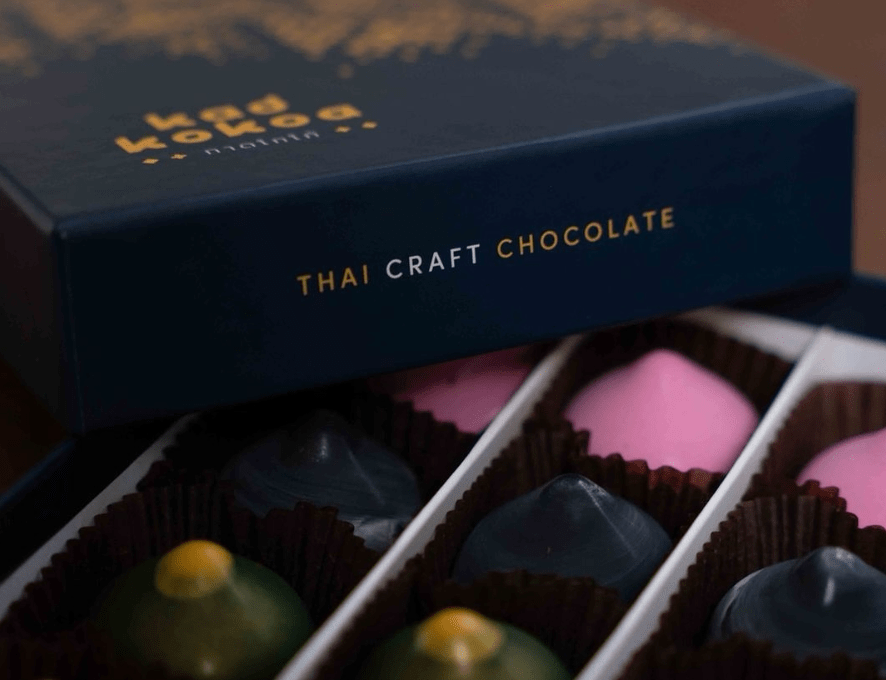
In Malaysia, Chocolate Concierge focuses on single-origin chocolates made from locally grown cacao. Thailand’s Kad Kokoa emphasizes sustainable practices and regional cacao varieties. Singapore’s Lemuel Chocolate and Fossa Chocolate are celebrated for their innovative flavors and dedication to craftsmanship.
These artisanal brands highlight the rich potential of Southeast Asian cacao and the creativity of local chocolatiers.


From its ancient origins among the revered cultures of the Maya and Aztecs to its evolution into a symbol of luxury and artisanal excellence, chocolate’s journey is a testament to its enduring allure and versatility. The intricate process of transforming humble cacao beans into exquisite confections reflects centuries of tradition, innovation, and craftsmanship.
As we continue to explore the depths of chocolate’s rich flavours and cultural significance, we invite you to ponder your own relationship with this timeless delicacy. How do you indulge in the world of chocolate, and what unique flavours or traditions do you cherish most?

 Nacre.
Leave a comment