
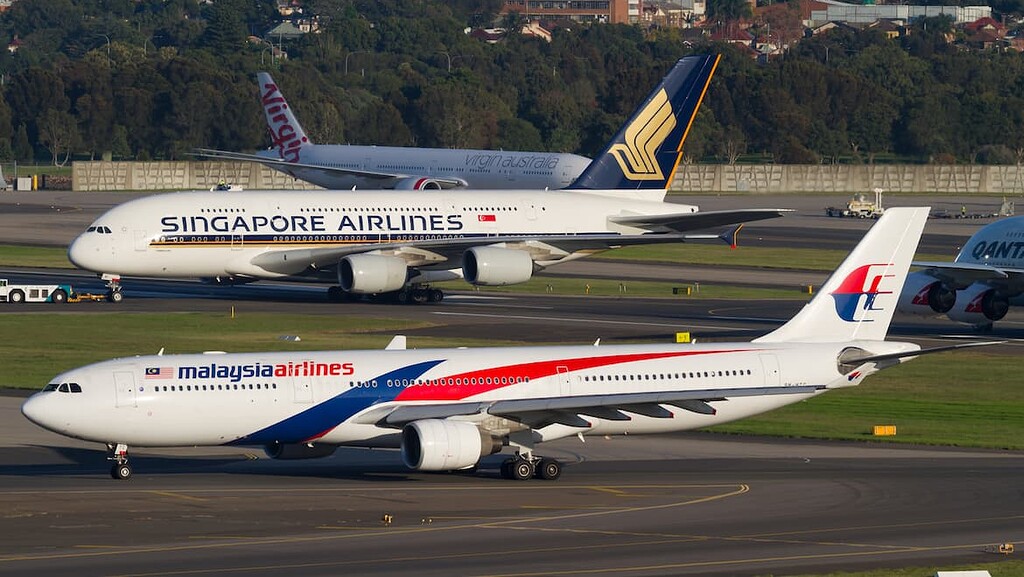

If you know, you know...
In the annals of aviation history, few stories are as intriguing and pivotal as the evolution of Malayan Airways Limited (MAL) into Malaysia-Singapore Airlines (MSA), and the eventual split of MSA that led to the creation of Singapore Airlines and Malaysia Airlines. From its humble beginnings to its division in 1972, MSA’s legacy is cemented in the birth of two of the world’s most renowned airlines. This transformation marked a significant milestone in the aviation industry, shaping the trajectories of both nations in the global air travel market.
The Genesis of MSA
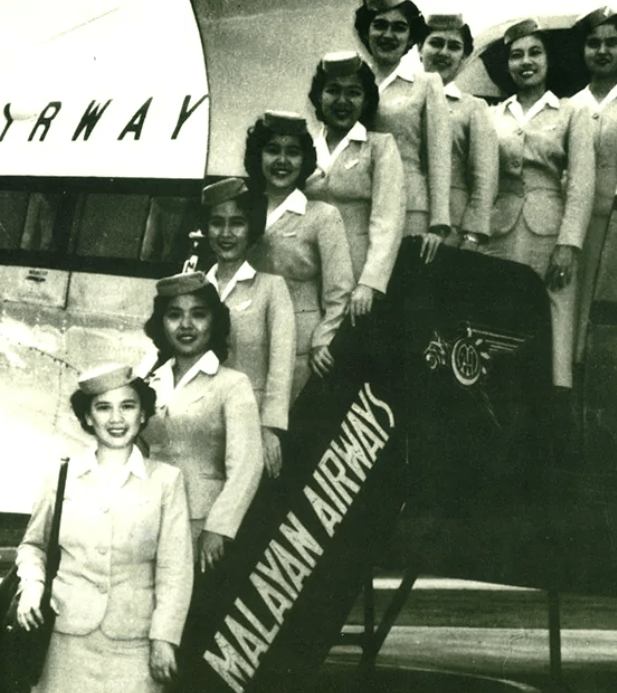
The journey began in 1947 when Malayan Airways Limited (MAL) was established as a joint venture to serve the British territories in Southeast Asia. Following the formation of the Federation of Malaysia with Singapore, Sarawak, and Sabah in 1963, MAL merged with Borneo Airways Limited to form Malaysia-Singapore Airlines (MSA) on April 1, 1965.

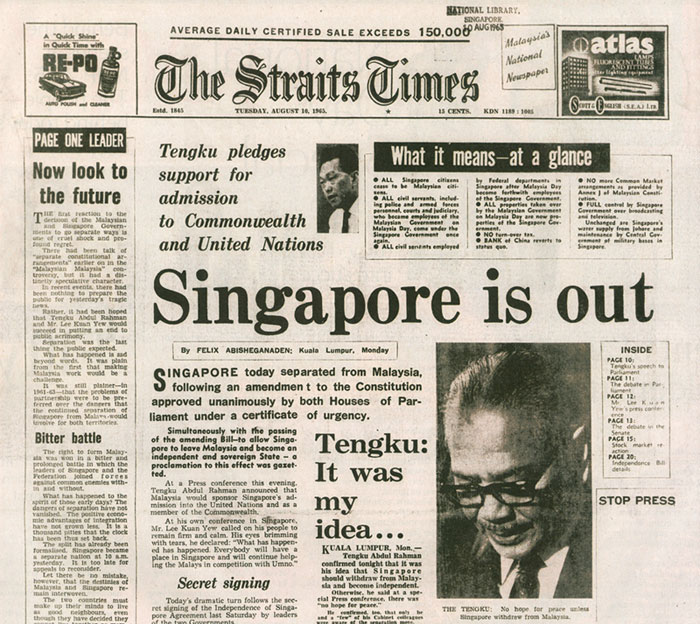
Shortly after MSA was established, deep-rooted political and economic differences between the Malaysian government and the State of Singapore led to Singapore’s separation from Malaysia on August 9, 1965, making it an independent sovereign nation, just four months after MSA was created.
The Growth and Challenges
MSA quickly expanded its fleet and routes, connecting major cities in Asia and beyond. However, despite its successes, the airline faced mounting challenges. Due to the diverging national interests, operational differences, and political tensions between Malaysia and Singapore created an increasingly complex environment. Singapore aimed to establish itself as a global aviation hub, focusing on long-haul international routes, while Malaysia prioritized developing its domestic and regional network.
The Decision to Split
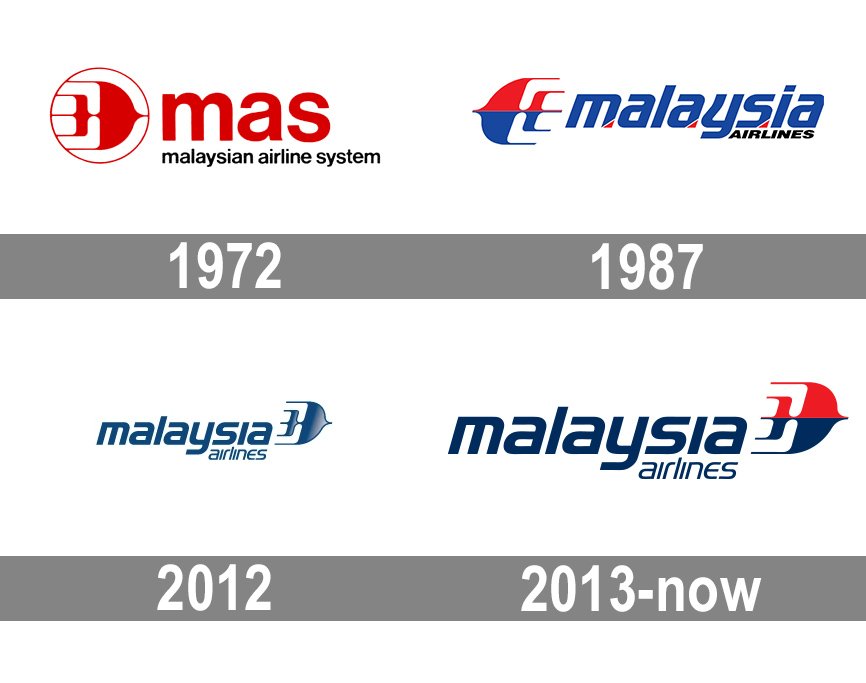
By the early 1970s, it became clear that the joint venture was no longer sustainable. The differing strategic visions of the two nations led to the amicable decision to split MSA into two distinct entities. On October 1, 1972, MSA ceased operations, giving rise to Singapore Airlines and Malaysian Airline System (later renamed Malaysia Airlines).
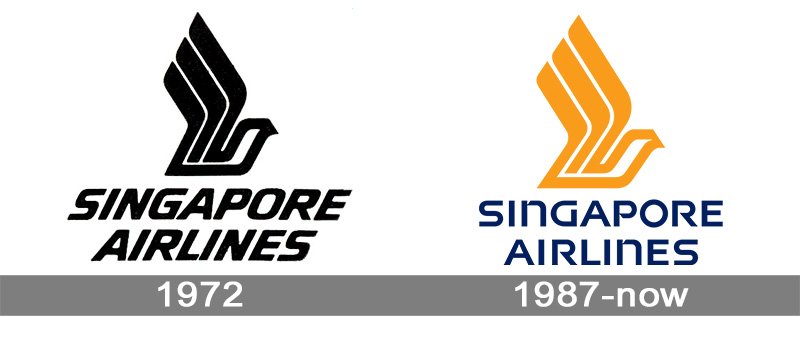
Singapore Airlines: Soaring to Global Heights
Singapore Airlines, with its base in a city-state known for its strategic location and ambition, quickly set its sights on the international stage. The airline adopted a philosophy of providing exceptional service and innovative offerings. It wasn’t long before Singapore Airlines became synonymous with luxury, reliability, and cutting-edge technology in aviation.
Key milestones included the introduction of the world’s longest non-stop flight, the launch of the iconic Singapore Girl as a brand ambassador, and pioneering the use of the Airbus A380, the largest passenger aircraft. Today, Singapore Airlines is celebrated for its impeccable service, earning numerous awards and maintaining a strong global presence.

Malaysia Airlines: A Commitment to Regional Excellence
Malaysia Airlines, focusing on its strength in the regional market, developed a robust network across Asia, Australasia, and the Middle East. The airline positioned itself as a leading carrier in the region, known for its hospitality and service rooted in Malaysian culture.
Throughout its history, Malaysia Airlines faced challenges, including financial difficulties and tragic incidents. However, it has continually strived to adapt and innovate, launching initiatives to enhance passenger experience and improve operational efficiency. The airline remains a key player in the region, connecting Malaysia to the world and supporting the nation’s tourism and trade.

The Enduring Legacy
The split of Malaysia-Singapore Airlines in 1972 was more than just a division of assets; it was the beginning of two remarkable journeys. Both airlines have contributed significantly to the global aviation industry, each carving out its niche and establishing a legacy of excellence.
Singapore Airlines and Malaysia Airlines continue to evolve, adapting to the dynamic demands of the aviation sector while remaining true to their core values. Their origins in MSA serve as a testament to the potential of collaboration and the power of strategic vision in overcoming challenges.
The story of Malaysia-Singapore Airlines is a fascinating chapter in aviation history, illustrating how a single airline can give rise to two iconic carriers. The 1972 split, driven by differing national priorities and operational visions, resulted in the creation of Singapore Airlines and Malaysia Airlines, each with its unique identity and path to success. Their ongoing contributions to the aviation industry are a lasting legacy of MSA’s pioneering spirit and the transformative power of strategic foresight.

 Nacre.

Leave a comment