
In a world that chases trends and lifestyle, coffee is now both a necessity and a luxury. What happened?
Once a simple morning ritual, coffee has transcended its role as a mere necessity, evolving into a symbol of luxury and sophistication. This transformation is evident across Southeast Asia, where countries like Malaysia, Singapore, Thailand, and Vietnam have embraced this global trend. Today, coffee culture in these regions is marked by an array of high-end boutique cafes that rival the opulence of fashion houses like Dior and Gucci.
The OG: Traditional Coffee in Southeast Asia
The roots of coffee in Southeast Asia are humble and steeped in tradition. In Malaysia and Singapore, the kopitiam (kopi for coffee, tiam for shop) is where locals gather for strong, robust coffee often enjoyed with kaya toast and soft-boiled eggs. In Vietnam, the iconic ca phe sua da (iced coffee with condensed milk) epitomises the ingenuity of Vietnamese street vendors who created this unique blend using locally sourced coffee beans and condensed milk. These traditional coffee experiences which are still heavily sought after by different generations today, laid the groundwork for the region’s current coffee renaissance.

Despite traditional coffee shops thriving across generations, Southeast Asia has experienced four distinct waves of coffee evolution. Each wave has left an indelible mark on the region’s coffee culture, enriching it with diverse flavors, brewing techniques, and social experiences. From the advent of instant coffee to the rise of specialty and luxury coffee shops, these waves have transformed how coffee is perceived and enjoyed in Southeast Asia. Let’s delve into each wave and explore how they have collectively shaped the dynamic coffee landscape of Southeast Asia.
The First Wave: Instant Gratification
The first wave of coffee in Southeast Asia mirrored global trends with the widespread availability of instant coffee. This era was characterised by convenience and accessibility, making coffee a household staple. Brands like Nescafé became ubiquitous, providing a quick and easy caffeine fix. While this wave established coffee’s presence in daily life, it lacked the emphasis on quality and craftsmanship seen in later waves.

The Second Wave: The Coffee Chain Giants
The second wave saw the proliferation of coffee chains such as Starbucks, Coffee Bean & Tea Leaf, and local giants like Malaysia’s OldTown White Coffee. These chains introduced a more refined coffee experience, focusing on the café environment and a variety of coffee drinks beyond the traditional black coffee. Brands like Starbucks were among the first to elevate coffee consumption to a symbol of high lifestyle and status, creating a culture where visiting a café was not just about the coffee, but also about the experience and social prestige. This wave brought a new social dimension to coffee consumption, making cafes popular hangout spots and transforming coffee into a lifestyle choice.

The Third Wave: All About Specialty and Origins
The evolution of coffee from a necessity to luxury can be traced to the rise of speciality coffee, marking the third wave. In the last decade, Southeast Asia has seen a surge in artisanal coffee shops that emphasise quality, sourcing, and brewing methods. Singapore’s vibrant coffee scene is a testament to this trend, with establishments like Common Man Coffee Roasters and Chye Seng Huat Hardware pioneering the third-wave coffee movement. These cafes focus on single-origin beans, intricate brewing techniques, and educating consumers about the nuances of coffee, elevating the beverage to an art form.
This wave also brought significant changes to the coffee industry, emphasising the importance of traceability. As second-wave coffee giants became criticised for their destructive impact on the coffee industry, including unsustainable practices and unfair trade, third-wave coffee shops initiated efforts to support coffee farmers directly. They aimed to cut down the value chain by establishing direct trade relationships, ensuring that farmers received fair compensation and fostering sustainable farming practices. This commitment to ethical sourcing and transparency helped promote a more equitable and environmentally friendly coffee industry, distinguishing third-wave coffee shops from their predecessors.

The Fourth Wave: The New, Sustainable Giants
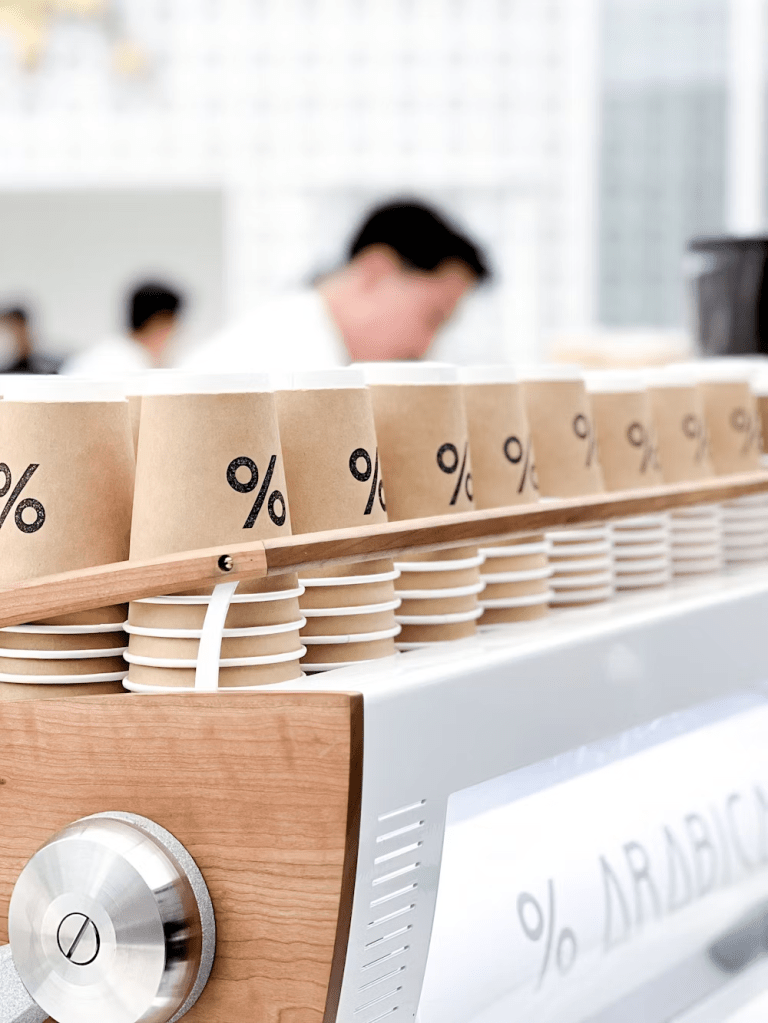
Similar to how second-wave coffee chains grew to cater to the growing demand for coffee as a lifestyle choice, fourth-wave coffee shops have emerged as giants in the speciality cafe scene to cater to coffee enthusiasts. The fourth wave of coffee builds upon the principles of the third wave but extends them further by prioritising sustainability, transparency, and innovation. %Arabica, a prominent Japanese coffee brand, exemplifies this trend in Southeast Asia, establishing itself in cities like Singapore, Kuala Lumpur, Cambodia, and Indonesia over recent years. Known for its commitment to direct trade and ethical sourcing of coffee beans, % Arabica also pioneers innovative brewing techniques and equipment, enhancing the coffee experience from a lifestyle perspective.
Luxury Boutique Cafes
In contrast to the traditional and speciality coffee scenes, Luxury Boutique Cafes in Southeast Asia redefine the coffee experience through opulent settings and meticulous attention to detail. These establishments go beyond serving exceptional coffee; they offer a fusion of elegance, exclusivity, and culinary artistry that elevates coffee consumption to a luxurious indulgence.
The epitome of coffee’s luxury status is embodied in the high-end boutique cafes that have emerged, often associated with prestigious brands. In Tokyo, Japan, the Café Dior by LADURÉE offers an opulent experience where patrons can savour meticulously crafted coffee and desserts in an elegant setting adorned with Dior’s signature style. Similarly, Coach Cafe in Singapore provides a lavish café experience, blending the sophistication of American cafe culture with Coach’s luxury products.

Conclusion
The luxury coffee experience in Southeast Asia extends beyond the physical café. Many high-end establishments offer curated coffee-tasting sessions, barista workshops, and exclusive events. In Singapore, establishments like % Arabica at Jewel Changi Airport host coffee-tasting sessions where enthusiasts can delve into the nuances of different coffee beans and brewing methods, accompanied by expert guidance. Meanwhile, in Malaysia, places like Barista Guild Asia in Kuala Lumpur offer barista workshops and coffee education that provide hands-on learning experiences, allowing participants to refine their coffee-making skills under professional guidance. These experiential offerings not only enrich the coffee aficionado’s knowledge but also elevate the overall coffee experience, underscoring its status as a luxury indulgence.
The journey of coffee from a necessity to a luxury in Southeast Asia is a testament to the region’s dynamic and evolving cultural landscape. From traditional kopitiams in Malaysia to high-end boutique cafes associated with prestigious global brands, coffee has transcended its role as a mere beverage to become a cultural phenomenon. The region’s embrace of speciality coffee movements, exemplified by establishments such as Common Man Coffee Roasters and Nylon Coffee in Singapore, along with Curate Coffee Roasters in Kuala Lumpur, underscores a shift towards sustainability, transparency, and innovation in coffee production and consumption.
Luxury coffee experiences in Southeast Asia are not just about the quality of the brew but also about the ambience, education, and community engagement that accompanies it. Whether savouring meticulously crafted coffee in an opulent setting or participating in immersive coffee-tasting sessions and workshops, consumers are offered a multi-faceted journey into the world of coffee. One thing remains clear: coffee has evolved into more than a beverage—it is now a gateway to luxury, culture, and connection, offering enthusiasts and connoisseurs alike an unparalleled sensory experience that blends tradition with contemporary flair.
Note: Establishments that are mentioned in this article are not sponsored.


 Nacre.
Leave a comment